

The Open-Ear Active Noise Cancellation Revolution
For years, wireless audio engineering operated on an unshakeable rule: if you wanted active noise cancellation, you had to shove silicone or foam ear tips deep into your ear canals. The physics seemed indisputable. To cancel sound waves with anti-phase signals, engineers required an airtight physical barrier to prevent ambient noise from leaking around the edges of the speaker driver.
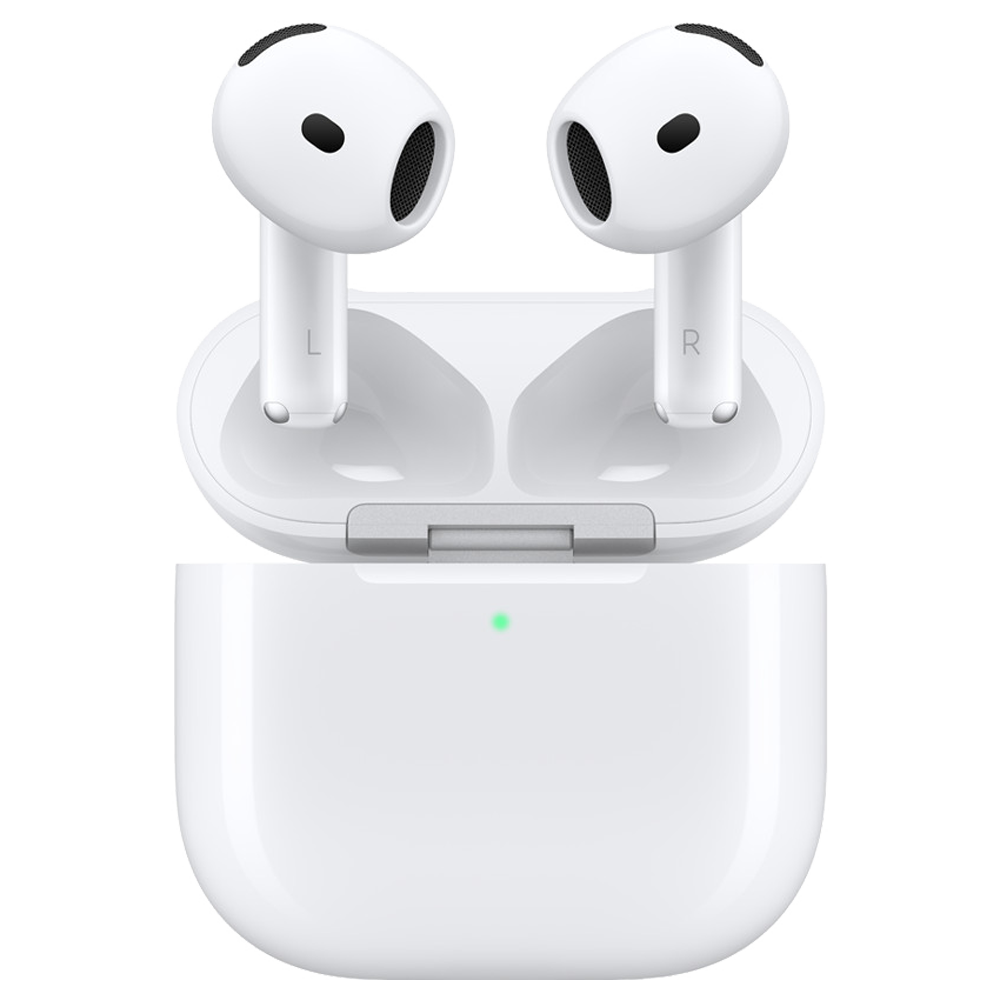
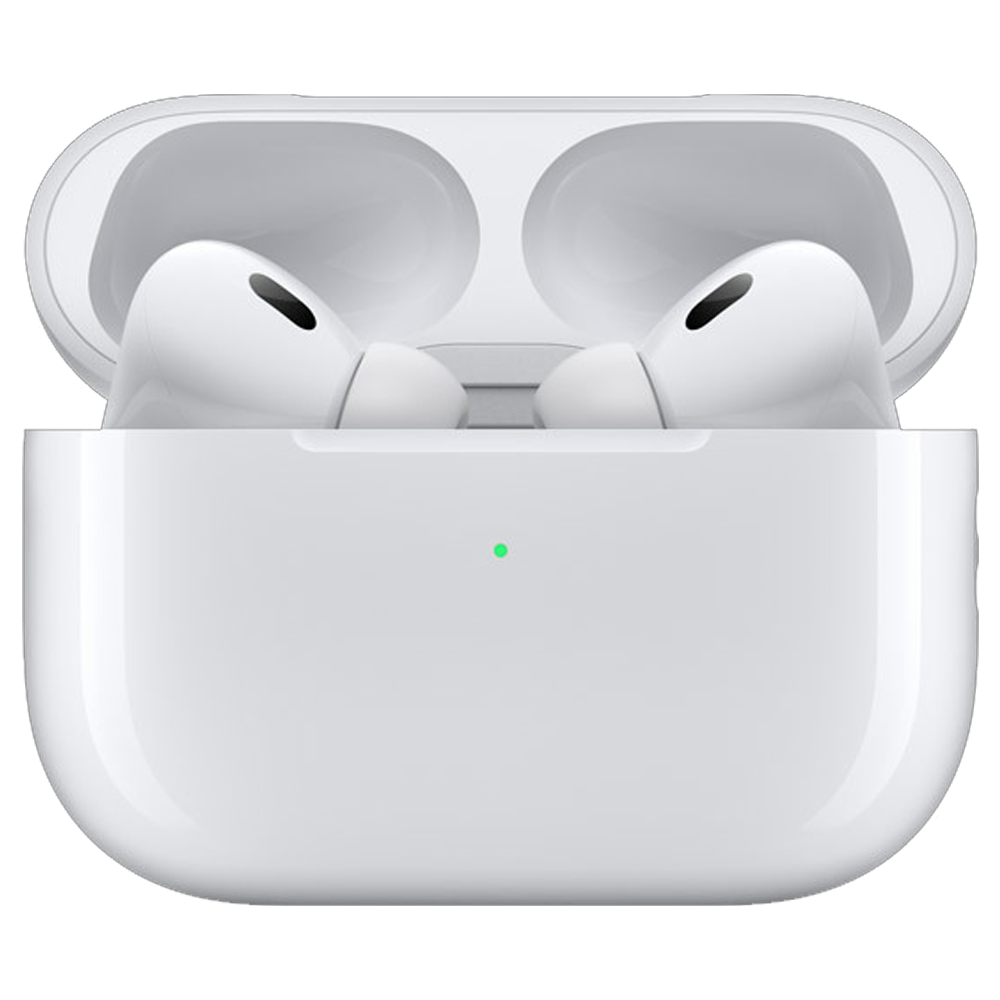
The arrival of the AirPods 4 with Active Noise Cancellation shattered that dogma. Apple took the open, tip-free hard plastic contour that hundreds of millions of people love and paired it with their potent H2 digital audio processor to cancel noise without sealing the ear canal. At the exact same time, the flagship AirPods Pro 2 continues to dominate the premium market with its sealed silicone architecture, clinical hearing aid certification, and stem-based touch volume sliders.
This creates the biggest buying dilemma in personal audio today: should you spend $179 for the open-air comfort of the AirPods 4 with ANC, or should you spend $249 for the total acoustic isolation and advanced feature set of the AirPods Pro 2?
This in-depth comparison breaks down published hardware specifications, acoustic driver dynamics, real-world battery runtimes, and daily ergonomic trade-offs so you can determine which model is better for your ears, your daily routine, and your wallet.
Design and Ergonomics: Open-Ear Freedom vs. Sealed In-Ear Stability
How an earbud feels in your ear over three consecutive hours matters more than any single software feature on the spec sheet. The primary physical divide between these two models comes down to how they anchor themselves inside your ears.
The AirPods 4 Fit: Pressure-Free All-Day Wearing
The AirPods 4 with ANC uses an open-ear, one-size-fits-most chassis crafted from smooth, molded polycarbonate. Apple analyzed thousands of ear scans to refine the curvature, narrowing the main speaker pod and shifting the center of gravity slightly inward toward the ear concha.
The primary advantage of this design is the total absence of ear canal intrusion. You never feel the uncomfortable "plunger effect," the suction pressure, or the stuffy, clogged sensation known as occlusion that silicone tips create. Your ear canal remains open to natural airflow. If you suffer from sensitive ear skin, recurring ear fatigue, or find that silicone tips trigger itching or wax buildup during extended conference calls, the AirPods 4 is extraordinarily comfortable. At just 4.3 grams per earbud, you genuinely forget you are wearing them within fifteen minutes.
However, this open architecture has a physical limitation: stability varies across different ear shapes. Because there are no flexible silicone tips to compress and grip the inner walls of the ear canal, the earbud simply rests against your cartilage. For most people, it remains remarkably stable during brisk walking, head turning, and desk work. But during vigorous workouts, rapid sprints, or heavy sweating, an open plastic shell is more prone to slipping loose than an in-ear bud.
The AirPods Pro 2 Fit: Custom Silicone Anchoring and Physical Isolation
The AirPods Pro 2 utilizes an intra-aural design that gently inserts into the entrance of the ear canal, secured by soft silicone oval ear tips. Apple includes four tip sizes in the box: Extra Small (XS), Small (S), Medium (M), and Large (L).
This silicone seal creates an airtight physical barrier between your eardrum and the outside world. To counteract the stuffy ear pressure common in older in-ear designs, Apple engineered a micro-perforated pressure-equalization vent system that balances internal and external atmospheric pressure. While this vent system works better than almost any competitor, you still feel the physical presence of an object sitting inside your ear canal.
The payoff for that physical contact is rock-solid stability and passive isolation. The flexible silicone tips compress and mold to the unique contours of your ear canals, providing dependable friction. Whether you are running on a treadmill, jumping rope, or bending down to tie your shoes, the AirPods Pro 2 stays firmly locked in place.
Active Noise Cancellation: Open Acoustic Porting vs. Sealed In-Ear Isolation
Active noise cancellation performance is where the difference between these two earbuds is most apparent. Both models run on the exact same silicon: Apple's H2 Headphone Chip. But software and chips can only do so much against the laws of acoustics.
How the AirPods 4 Pulls Off Open-Ear ANC
Delivering active noise cancellation in an unsealed earbud is an extraordinary computational achievement. Because ambient noise constantly rushes past the unsealed borders of the plastic shell, the microphones and H2 processor must sample ambient sound and generate anti-noise waves at microsecond intervals before that noise reaches your eardrum.
The AirPods 4 with ANC excels at quelling monotonous, low-frequency sound waves. When you sit in an office near a humming HVAC air duct, a running refrigerator, or ride in a car on smooth asphalt, the AirPods 4 wipes away approximately 70% to 80% of that low-end droning. The result is a pleasant, quiet bubble that lets you keep podcast or music volume at safe, moderate listening levels without cranking the slider to maximum.
Where the AirPods 4 struggles is with mid-frequency and high-frequency sounds. Sharp transients like nearby café chatter, keyboard clicks, screaming toddlers, and screeching train brakes slip directly past the unsealed plastic casing and into your ears. Furthermore, if you tilt your head or the earbud shifts slightly in your ear, the acoustic leakage changes instantly, causing a momentary dip in cancellation consistency.
Why the AirPods Pro 2 Remains the Undisputed Travel Champion
The AirPods Pro 2 combines the computational power of the H2 chip with the unbeatable physics of passive acoustic attenuation. The tight silicone seal physically blocks high-frequency sound waves before they ever touch your eardrum, while the internal and external microphone arrays cancel out the remaining low- and mid-frequency energy.
Apple rates the AirPods Pro 2 for up to twice as much noise reduction as previous generations, and that difference is instantly obvious in challenging environments. On commercial airplanes, the deafening roar of jet engines at cruising altitude is reduced to a faint, gentle whisper. On crowded subway trains, screeching metal rails and loud passenger conversations are pushed far into the background.
If your primary reason for buying noise-canceling earbuds is international travel, public transit commuting, or escaping noisy coffee shops, the AirPods Pro 2 offers far superior acoustic isolation.
Sound Quality, Drivers, and Bass Response
Both the AirPods 4 with ANC and the AirPods Pro 2 feature Apple's custom low-distortion dynamic drivers and high-dynamic-range amplifiers, tuned via real-time Adaptive EQ that adjusts the frequency curve based on how sound reflects inside your ear. Yet, they produce distinct listening signatures.
AirPods 4 Acoustic Profile
The AirPods 4 delivers an open, airy, and natural soundstage. Because the ear canal is not blocked by silicone, music feels spacious, wide, and relaxed, avoiding the closed-in, intracranial presentation typical of in-ear monitors.
Vocal clarity and mid-range instruments like acoustic guitars and pianos are rendered with stunning crispness and natural timbre. To generate punchy bass without a sealed ear canal, Apple engineered an innovative acoustic cavity with internal airflow venting that pumps tactile low-end energy toward the ear opening. The bass is surprisingly warm and energetic for an open earbud. However, sub-bass frequencies below 40 Hz inevitably lose some punch due to bass cancellation from outside air, meaning electronic dance music and heavy hip-hop beats lack the physical rumble found in sealed earbuds.
AirPods Pro 2 Acoustic Profile
The AirPods Pro 2 produces a deeper, richer, and more impactful frequency response. The airtight silicone seal allows the custom high-excursion driver to build genuine acoustic pressure inside your ear canal.
Sub-bass reaches down to 20 Hz with authoritatively tight, controlled impact. Kick drums have immediate physical punch, basslines feel rich and textured, and treble frequencies have smooth, detailed extension without harsh sibilance. For critical music listening across modern pop, rock, orchestral arrangements, and electronic genres, the AirPods Pro 2 delivers superior dynamic range and detail retrieval.
Smart Software Modes: Adaptive Audio, Transparency, and Conversation Awareness
Because both models are powered by the Apple H2 chip, they share a sophisticated suite of automated listening features designed to reduce the need to touch your earbuds throughout the day.
Adaptive Audio
Adaptive Audio dynamically blends Active Noise Cancellation and Transparency mode based on the changing noise conditions of your environment. If you walk from a quiet residential street into a noisy construction zone, both earbuds automatically ramp up anti-noise suppression to shield your ears, then ease off once you return to a peaceful park.
Conversation Awareness
Both models use onboard voice detection sensors. The moment you start speaking to a coworker, cashier, or flight attendant, Conversation Awareness automatically lowers the volume of your media, reduces background noise, and enhances the voices of the people speaking directly in front of you. Once you finish speaking, your music smoothly resumes its previous volume.
Transparency Mode Differences
This is an interesting contrast. On the AirPods 4, transparency is fundamentally natural because the earbud is physically open. You can hear your own voice without any robotic resonance, and ambient awareness of passing cars or office colleagues is seamless.
On the AirPods Pro 2, transparency is digitally constructed. The H2 chip processes incoming ambient sound 48,000 times per second, filtering harsh noises (like sirens or loud construction equipment) via Loud Sound Reduction while piping an eerily natural representation of your surroundings through the speakers. Apple's Transparency mode on the Pro 2 remains the gold standard in the industry, sounding so natural that you quickly forget your ear canals are sealed.
Controls and Daily Usability: The Missing Volume Swipe
One of the most consequential day-to-day usability differences between these two earbuds lies on the earbud stem.
Both models feature a capacitive force sensor built into the indentation of each stem. Squeezing the stem once plays or pauses media, squeezing twice skips forward, squeezing three times skips back, and squeezing and holding toggles between Active Noise Cancellation and Transparency mode.
However, the AirPods Pro 2 includes touch capacitive swipe volume control directly on the stem. By sliding your index finger gently upward or downward along the front groove of either earbud, you can adjust the volume in smooth increments. You never need to pull your iPhone out of your pocket, tap your Apple Watch, or speak out loud to Siri.
The AirPods 4 with ANC does not support stem volume swiping. To raise or lower volume, you must adjust it from your phone, use the digital crown on your Apple Watch, or use voice commands with Siri. For commuters with their hands full of grocery bags or runners listening to playlists, the lack of onboard volume swiping on the AirPods 4 is a noticeable convenience compromise.
Clinical Hearing Health: A Pro-Exclusive Superpower
A major software innovation arrived for the AirPods Pro 2 that makes it far more than just a pair of consumer earbuds: Apple introduced an end-to-end, FDA-cleared Clinical Hearing Health suite.
Because the AirPods Pro 2 creates a calibrated, airtight seal with its silicone ear tips, users can perform a clinically validated, five-minute Hearing Assessment directly on their iPhone. If the assessment detects mild-to-moderate hearing loss, the AirPods Pro 2 can be enabled as an over-the-counter (OTC) Hearing Aid.
Once activated, the H2 chip applies a personalized hearing profile that selectively boosts conversational frequencies, quiet consonants, and environmental cues in real time, making social gatherings, dinner conversations, and television viewing dramatically clearer. Furthermore, the Pro 2 offers continuous active Hearing Protection, automatically clamping down on damaging peak sound levels at concerts or sporting events while preserving audio fidelity.
The AirPods 4 with ANC cannot perform these hearing health functions. Because the open-ear design lacks a calibrated seal, it is physically impossible to administer an accurate hearing diagnostic assessment or provide clinical amplification. If hearing health support is a priority for you or an older family member, the AirPods Pro 2 is the only choice.
Battery Life and Charging Case Architecture
Battery performance reflects the physical size differences of the two earbuds and their cases.
Single-Charge Battery Endurance
- AirPods 4 with ANC: Up to 4.0 hours of continuous listening with ANC enabled (up to 5.0 hours with ANC turned off). On voice calls, battery life drops to approximately 3.5 hours.
- AirPods Pro 2: Up to 6.0 hours of continuous listening with ANC enabled (up to 7.0 hours with ANC turned off). On voice calls, you get approximately 4.5 hours of talk time.
That two-hour difference with ANC active is substantial. If you take transcontinental flights, endure long marathon study sessions, or work four-hour shifts without docking your earbuds in their case, the AirPods 4 will beep with low-battery warnings around the four-hour mark. The AirPods Pro 2 easily powers through an entire cross-country flight without needing a mid-flight recharge.
Charging Case Capabilities
Both cases recharge via modern USB-C ports and both support wireless charging via standard Qi wireless pads or magnetic Apple Watch charging pucks.
The AirPods 4 with ANC charging case is a marvel of miniaturization. It is more than 10% smaller by volume than previous generations, sliding effortlessly into coin pockets or small clutches without creating an unsightly bulge. Despite its tiny frame, it incorporates an internal speaker that plays audible chimes when using Apple's Find My app to locate misplaced keys or bags.
The AirPods Pro 2 case is slightly larger, but it packs significant additional hardware:
- Apple MagSafe Compatibility: Built-in internal magnets allow the case to snap securely onto magnetic MagSafe chargers and stands without sliding off.
- U1/U2 Ultra Wideband Chip: When you misplace your case, the Find My app on your iPhone displays Precision Finding arrows with exact distance down to inches, guiding you behind couch cushions or into jacket pockets.
- Integrated Lanyard Loop: A reinforced metal cutout on the side lets you attach wrist straps or bag tethers directly without buying bulky third-party silicone cases.
Scenario Matchups: Which Earbuds Fit Your Routine?
Scenario 1: The Daily Transit Commuter and Frequent Flyer
Winner: AirPods Pro 2
If your daily routine involves roaring subway tracks, noisy city buses, or frequent commercial flights, the AirPods Pro 2 is the clear winner. The physical silicone seal blocks high-pitched chatter and screeches that the AirPods 4 cannot touch, while the 6-hour ANC battery runtime ensures your music stays alive from takeoff to baggage claim.
Scenario 2: The Extended Office Worker and Video Call Professional
Winner: AirPods 4 with Active Noise Cancellation
If you spend eight hours a day juggling Zoom meetings, Slack huddles, and desk work, the open-ear design of the AirPods 4 is magnificent. You can hear your own voice naturally during meetings without internal vocal resonance, your ears stay cool and sweat-free, and the ANC quietens the background office air conditioning hum without making you feel cut off from your coworkers.
Scenario 3: The Runner and Active Gym Enthusiast
Winner: AirPods Pro 2
Both models share an IP54 sweat- and dust-resistant rating, but the AirPods Pro 2 provides vastly superior physical security during workouts. The friction of the silicone tips prevents the earbuds from dislodging when sweat builds up, and the on-stem volume swipe controls allow you to pump up your workout playlist mid-stride without reaching for your phone.
Scenario 4: The Budget-Conscious iPhone Owner
Winner: AirPods 4 with Active Noise Cancellation
At $179, the AirPods 4 with ANC delivers 85% of the flagship Apple audio experience, including the same H2 chip, seamless Apple ecosystem pairing, Personalized Spatial Audio, and reliable low-frequency noise reduction, while saving you $70 over the Pro tier.
The Bottom Line
Apple's wireless earbud lineup is no longer divided strictly by whether you want active noise cancellation, but by how you want that cancellation delivered to your ears.
The AirPods 4 with Active Noise Cancellation ($179) represents a breakthrough in open-ear acoustic engineering. If you find silicone tips irritating, experience ear canal soreness after an hour of listening, or simply want an ultra-compact daily carry that balances ambient awareness with effective background noise reduction, the AirPods 4 with ANC is the most comfortable and capable open earbud on the market.
The AirPods Pro 2 ($249) remains the definitive gold standard for audio isolation, travel, and fitness. Its sealed silicone tips provide significantly more powerful total noise cancellation, deeper sub-bass impact, convenient on-stem swipe volume controls, two additional hours of battery life per charge, and certified clinical hearing aid functionality.
If maximum isolation, gym security, and long flights matter most, invest in the AirPods Pro 2. If pressure-free wearing comfort, open-air awareness, and pocket-friendly value are your priorities, the AirPods 4 with ANC is the smarter choice.