Choosing the right air purifier is crucial for mitigating indoor air pollutants and improving respiratory health. This comprehensive guide helps you navigate technical CADR ratings, filter lifespans, and acoustics to find the ideal model for your home.
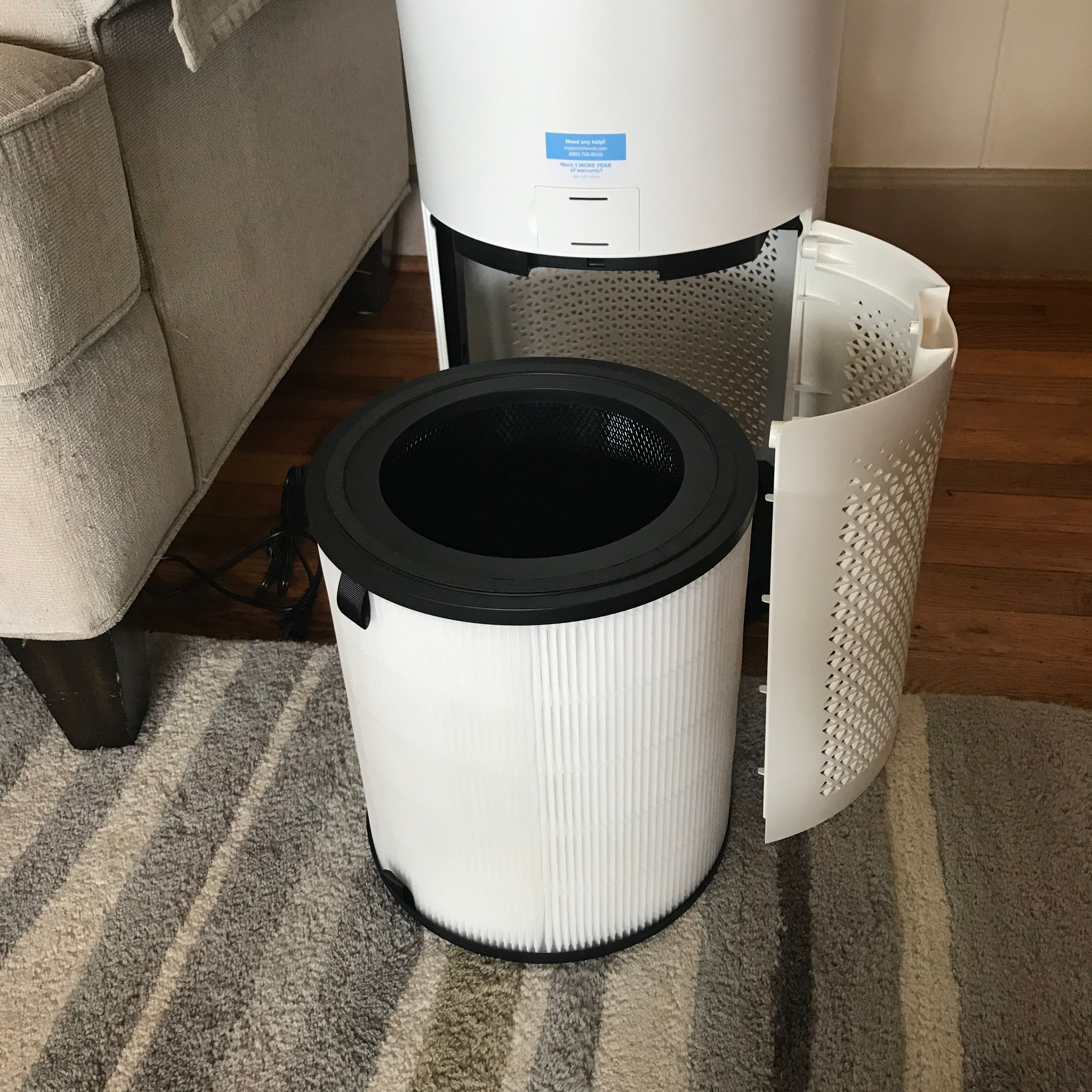
Our evaluation process for air purifiers involves rigorous, real-world testing and scientific analysis to ensure objective recommendations. We focus on critical performance metrics and user experience factors.
We assess each unit's Clean Air Delivery Rate (CADR) for smoke, dust, and pollen in controlled environments. Particle counter measurements are taken before and after operation to quantify removal efficiency across various fan speeds.
Using a sound level meter, we measure decibel output at minimum, medium, and maximum fan settings, approximately 3 feet from the unit. We also evaluate the smoothness of fan transitions and the absence of distracting coil whine or rattling.
We track filter longevity based on manufacturer specifications and real-world usage patterns. Ease of filter replacement, availability of replacement parts, and the clarity of filter life indicators are also key considerations.
These are the most frequent buying mistakes we see in real-world testing.
Many users purchase purifiers based solely on stated room coverage without cross-referencing the CADR, leading to under-performance in the actual space.
The initial purchase price can be attractive, but ongoing filter replacement expenses can make a seemingly affordable unit costly over its lifespan.
Obstructing air intake or outflow vents, or placing the unit in a corner, significantly reduces its effectiveness by impeding air circulation.
Use this simple framework to narrow down your options.
Needs ultra-quiet nighttime operation (<24 dB), dark mode display shutoff, and a compact footprint for bedrooms up to 250 sq ft without drafts or rattling.
Requires medical-grade H13 True HEPA with high CADR, continuous air-quality laser monitoring, and verified particle reduction for dust, pet dander, and seasonal pollen.
Demands high-throughput CFM/CADR to cycle 500+ sq ft open concepts 4-5 times per hour, with heavy-duty activated carbon for cooking smoke and VOC reduction.
Top air purifiers that fit different needs and budgets.
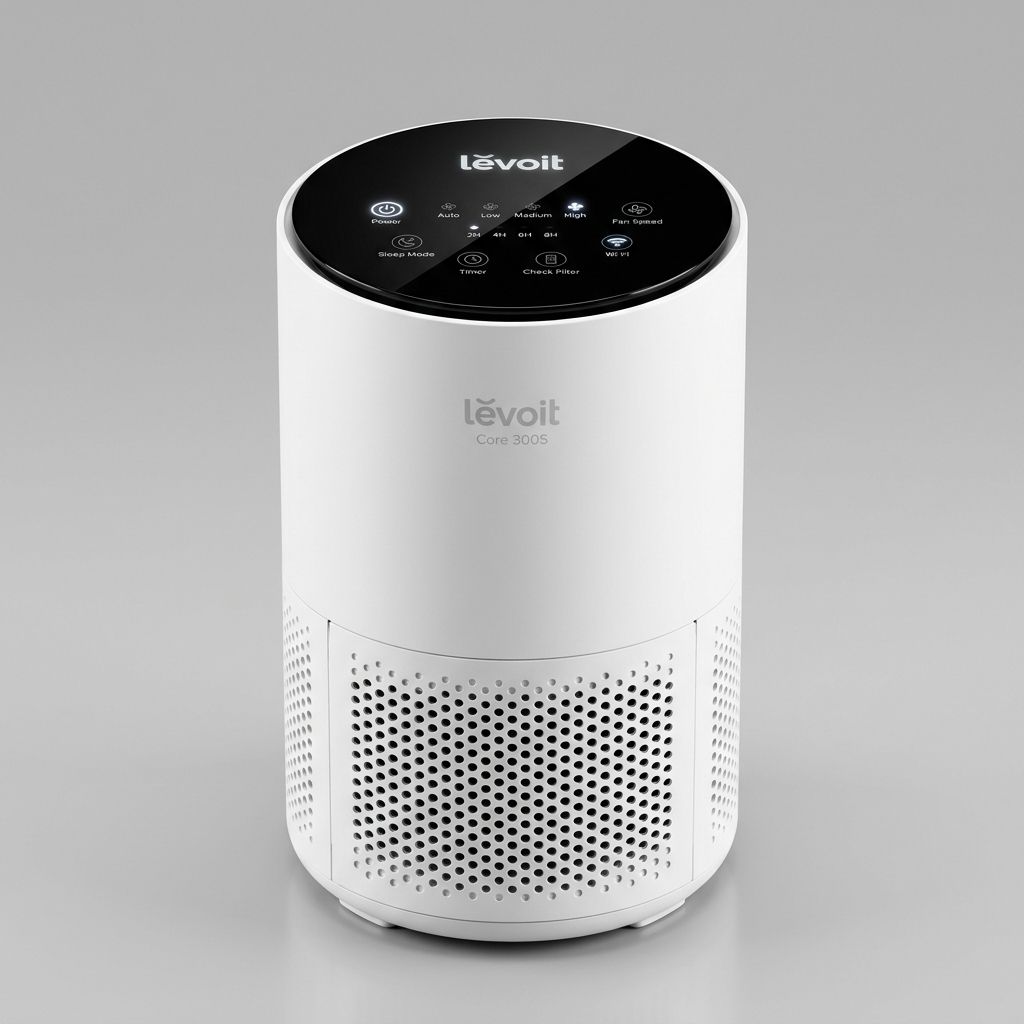
Our top pick for bedrooms and home offices up to 219 sq ft (cleaned in 12 minutes at 141 CFM smoke CADR). Operates at an ultra-whisper 22 dB in sleep mode with complete display shutoff. Features smart app tracking via VeSync, voice assistant control, and custom schedules. Replacement 3-in-1 filters cost under $25 per year. Choose this if you want an affordable, compact, app-connected purifier that won't disrupt light sleepers.
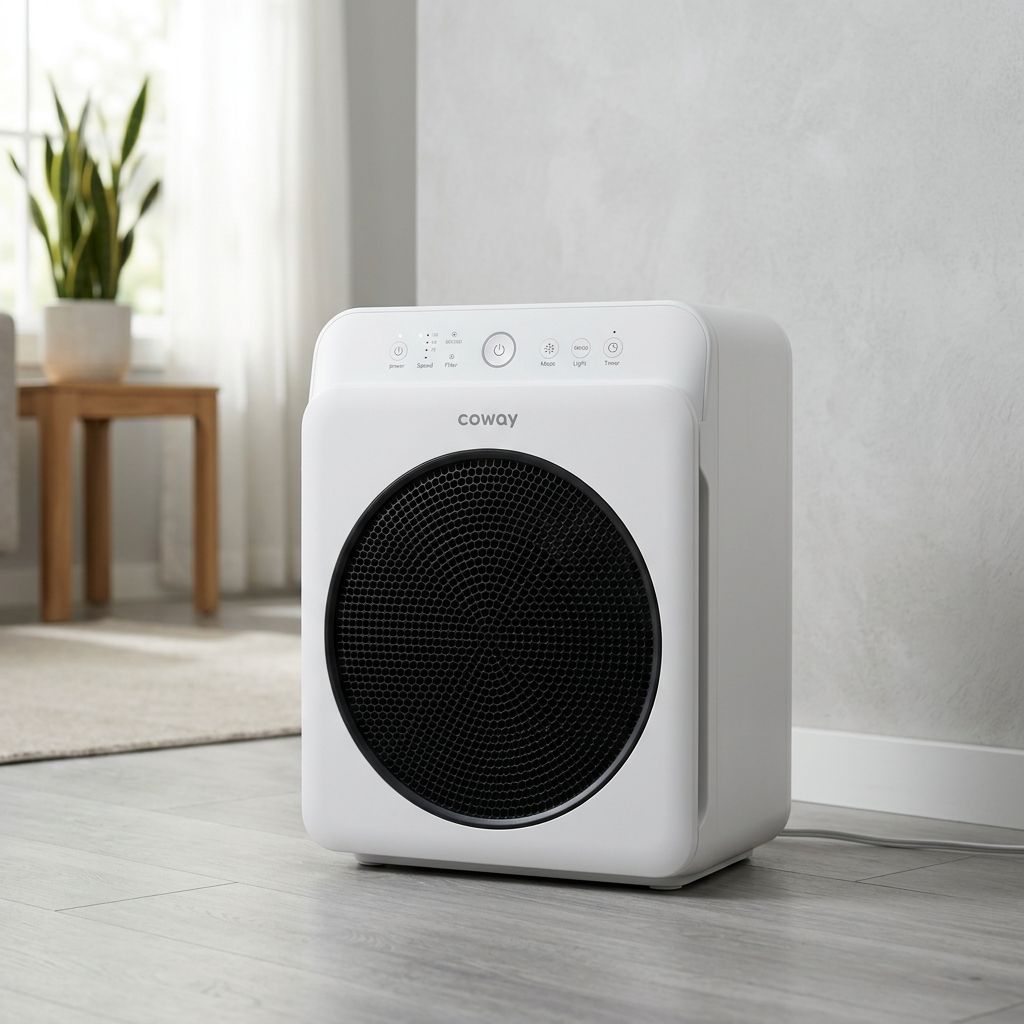
A gold standard in long-term reliability for spaces up to 361 sq ft (CADR: 246 Dust / 233 Smoke / 240 Pollen). Features true H13 Green True HEPA filtration capturing 99.99% of 0.01-micron particles, plus an intelligent particle sensor with real-time colored LED feedback and Eco mode that powers down when air is clean. Filter life extends up to 12 months with low annual running costs. Choose this for set-and-forget reliability and powerful bedroom filtration.
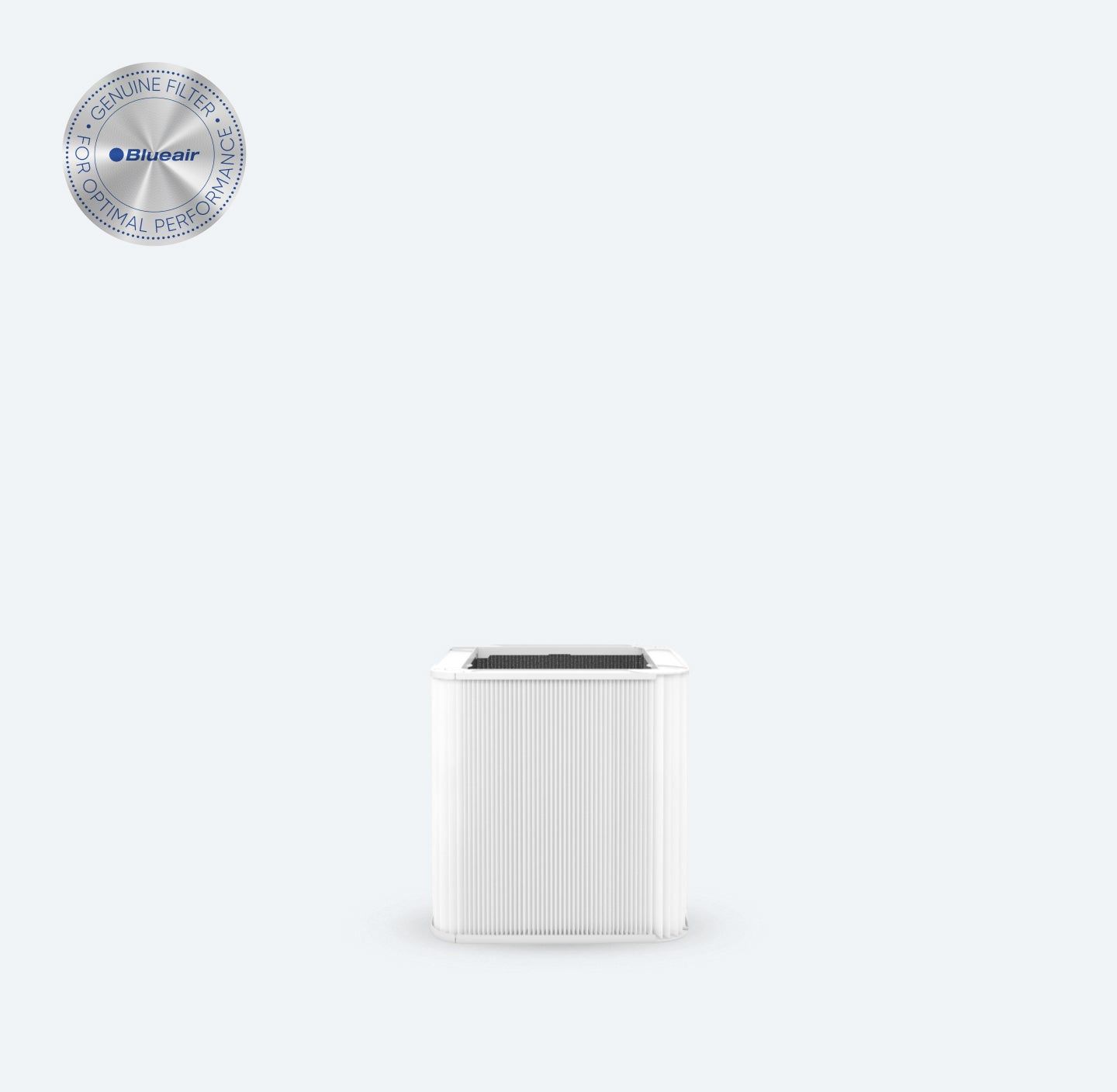
A powerhouse air cleaner built for massive rooms and open floor plans up to 540 sq ft (delivering a class-leading 353 CFM CADR). Utilizes HEPASilent dual filtration combining mechanical capture with electrostatic charging to filter 99.97% of airborne irritants with less fan noise and power draw. Includes a machine-washable fabric pre-filter in multiple colors and simple one-touch auto mode. Choose this if you have high ceilings, open layouts, or heavy wildfire smoke concerns.
Filter replacement frequency varies by model and usage. Generally, HEPA filters last 6-18 months, while activated carbon filters typically need replacement every 3-6 months. Pre-filters can often be washed and reused. Always check your specific model's manual for recommended intervals.
Explore related technical deep-dives and actionable buying guides.
