Wondering why some robot vacuums have top spinning turrets while others use front-facing AI cameras? We compare LiDAR laser rangefinding against RGB AI computer vision for floor mapping, night navigation, and pet waste obstacle avoidance.
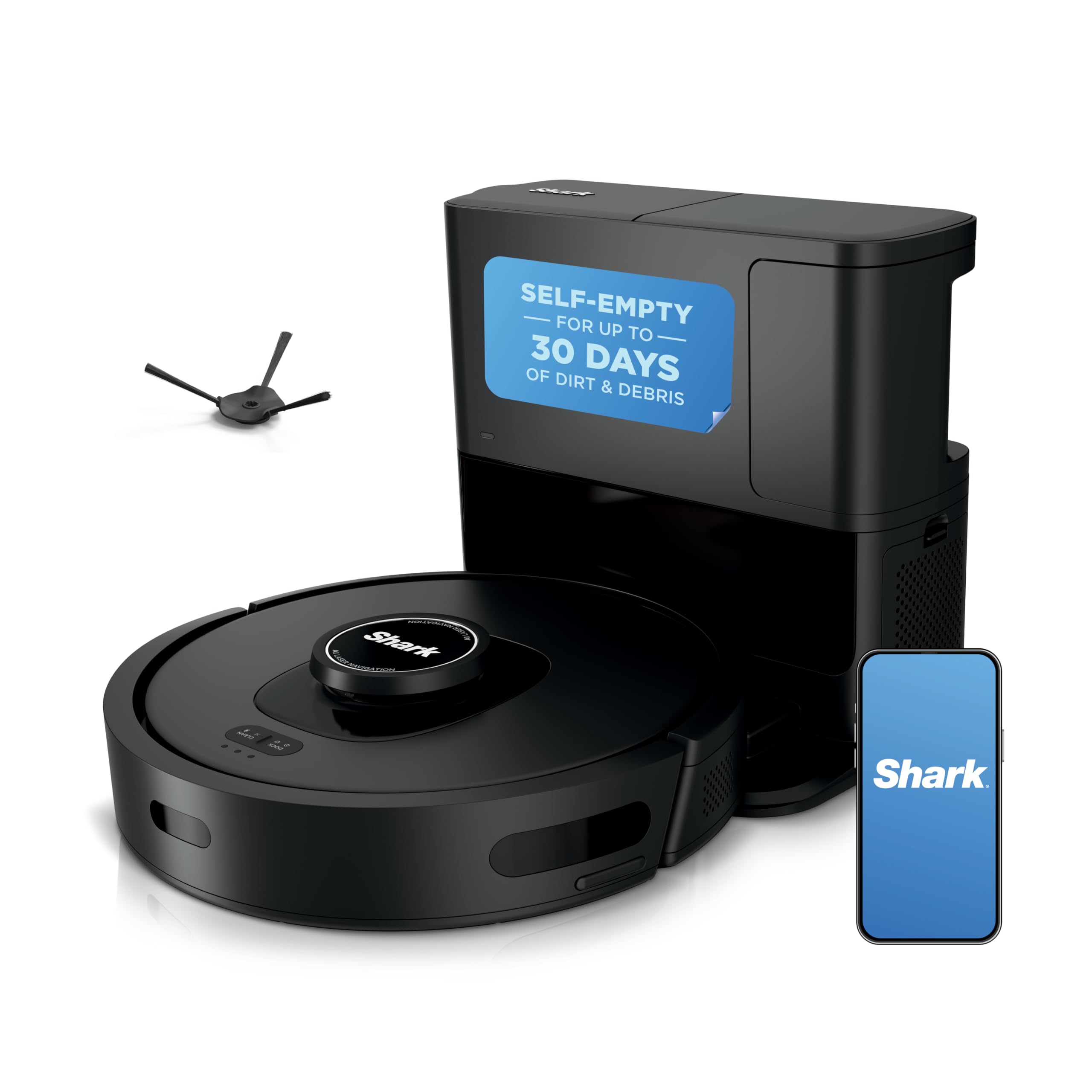
Choose LiDAR for ultra-fast mapping, dark-room cleaning, and dependable navigation in clutter-free homes. Choose Camera AI or a Hybrid LiDAR+Camera model if you have pets or busy family floors with cords and small toys.
Both LiDAR Laser Navigation and Camera AI Computer Vision are great options, but they work differently and offer distinct advantages.
Spinning top turret fires invisible infrared laser pulses to map walls and large furniture with millimeter precision.
Front-facing RGB cameras and neural processors identify and steer around low-profile floor hazards.
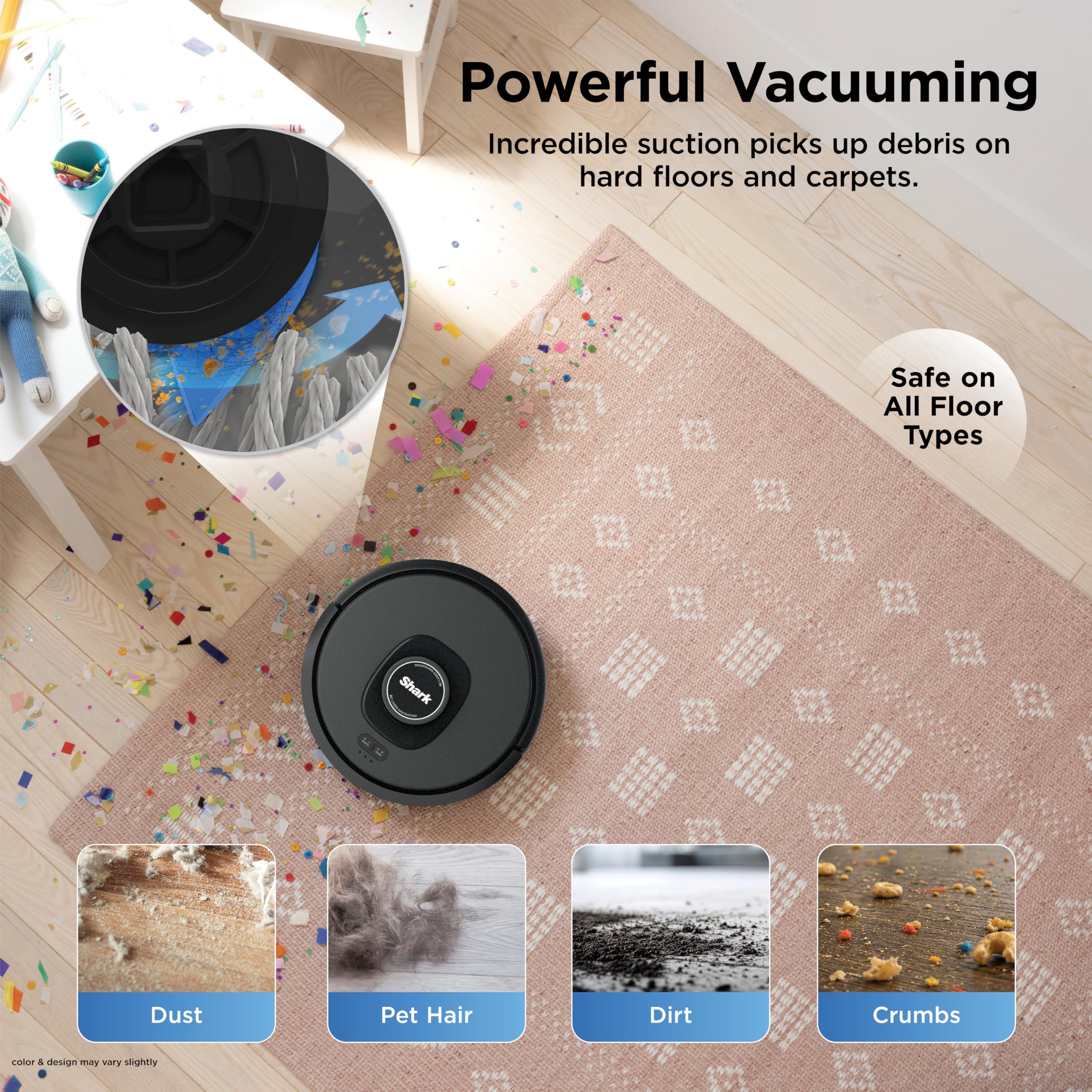
Modern automated floor cleaning relies on two primary spatial mapping paradigms: LiDAR (Light Detection and Ranging) laser turrets and Camera-Based AI Computer Vision (Visual SLAM / vSLAM). While both systems allow a robot vacuum to navigate systematically in neat parallel rows rather than bouncing randomly off furniture like legacy units, their underlying sensing physics result in fundamentally different obstacle detection capabilities, lighting dependencies, and floor-plan mapping speeds.
A LiDAR-equipped robot vacuum features a rotating top-mounted laser turret that spins at 5 to 10 revolutions per second, firing thousands of invisible infrared laser pulses per second. By measuring the exact nanosecond time-of-flight (ToF) for reflected light photons to return to the sensor, the onboard processor calculates millimeter-precise distance measurements in a full 360-degree radius. This enables a LiDAR vacuum to construct a complete, perfectly scaled multi-room floor plan on its very first 10-minute exploration run. Furthermore, because LiDAR generates its own infrared light source, it operates with 100% navigational precision in pitch-black rooms, under deep king-sized beds, and behind heavy window drapes.
The primary weakness of pure top-mounted LiDAR is vertical perspective: the spinning turret sits 3 to 4 inches above the floor, making it physically blind to low-profile hazards sitting directly on your rugs. Camera-based vacuums feature front-mounted RGB sensors paired with neural processing units (NPUs). These systems process live video feeds through trained deep-learning computer vision models, identifying over 50 specific household hazards—including thin phone charging cords, stray socks, pet toys, slippers, and pet waste—and steering safely around them with a 2-inch safety margin. However, optical cameras require ambient room light or built-in LED headlights to see, and take longer to establish initial boundary maps.
In modern flagship robot vacuums (like Roborock and Dreame), manufacturers increasingly deploy Hybrid Sensor Fusion: utilizing a top LiDAR turret for macro room mapping and navigation, combined with front-facing 3D structured light or RGB AI cameras for micro-obstacle avoidance. When selecting a system, consider your home layout and privacy comfort. If you have clean floors and prefer vacuuming at night, a pure LiDAR vacuum offers superior speed, lower cost, and 100% privacy without cameras in your home. If you have young children or pets prone to accidents, front-facing AI camera obstacle avoidance is an indispensable insurance policy against catastrophic floor messes.
LiDAR delivers the fastest cleaning cycles, precision edge trimming, and systematic room partitioning without getting lost.
Camera AI with trained pet-waste avoidance guarantees your vacuum won't accidentally smear pet accidents across your carpets.
LiDAR vacuums clean living rooms and hallways silently in pitch black while your family sleeps without turning on lights.
Camera-only vacuums eliminate the top turret puck, allowing the robot to slide under low platform beds and modern sofas.
If your floors are generally kept free of loose cables and you want fast mapping with flawless night cleaning, a LiDAR robot vacuum is the most reliable, cost-effective choice. If you have pets or busy family rooms where charging cords and small toys are left on rugs, investing in a model with front-facing Camera AI or Hybrid LiDAR+Camera sensor fusion is essential to prevent messy floor tangles.
Standard top-turret LiDAR cannot detect flat objects under 2 inches tall because the laser beam shoots over them. If you have pets or frequently leave charging cables on the floor, you need a robot vacuum equipped with front-facing 3D structured-light sensors or AI RGB cameras specifically trained for obstacle avoidance.
Explore related technical deep-dives and actionable buying guides.
