Choosing the right camera drone involves balancing sensor dynamic range, wind resistance, weight classifications, and transmission range. This expert guide breaks down the top models for creators and pros.
Our evaluation involved extensive flight testing across various environments, assessing camera performance, flight stability, and user experience. We audited specifications against real-world performance.
We rigorously tested camera resolution, dynamic range, low-light performance, color accuracy, and gimbal stabilization across different lighting conditions and flight speeds. We analyzed raw footage for artifacts and sharpness.
Evaluated GPS accuracy, wind resistance, maximum flight time, control responsiveness, and signal reliability. We conducted obstacle avoidance tests in controlled settings to gauge sensor effectiveness.
Assessed ease of setup, intuitiveness of the remote controller and mobile app, effectiveness of intelligent flight modes, and overall build quality and portability. Battery management and charging efficiency were also considered.
These are the most frequent buying mistakes we see in real-world testing.
Many new drone pilots overlook national and local regulations regarding drone registration, flight zones, and operational procedures.
A single battery often provides insufficient flight time for extended shooting sessions, leading to missed shots or rushed flights.
Skipping crucial pre-flight checks can lead to accidents, signal loss, or poor footage quality.
Use this simple framework to narrow down your options.
Prioritizes exempt sub-250g weight classification, true vertical shooting for TikTok/Reels, 4K/60fps HDR video, and a compact foldable frame that fits in a daypack.
Requires a large 4/3 CMOS sensor, 10-bit D-Log M color profiles, 5.1K video, 45+ minute flight endurance, and 360-degree obstacle sensing for commercial shoots.
Seeks stable GPS hovering, auto-return-to-home fail-safes, electronic image stabilization, and multi-battery value under $300 to master aerial flight safely.
Top camera drones that fit different needs and budgets.
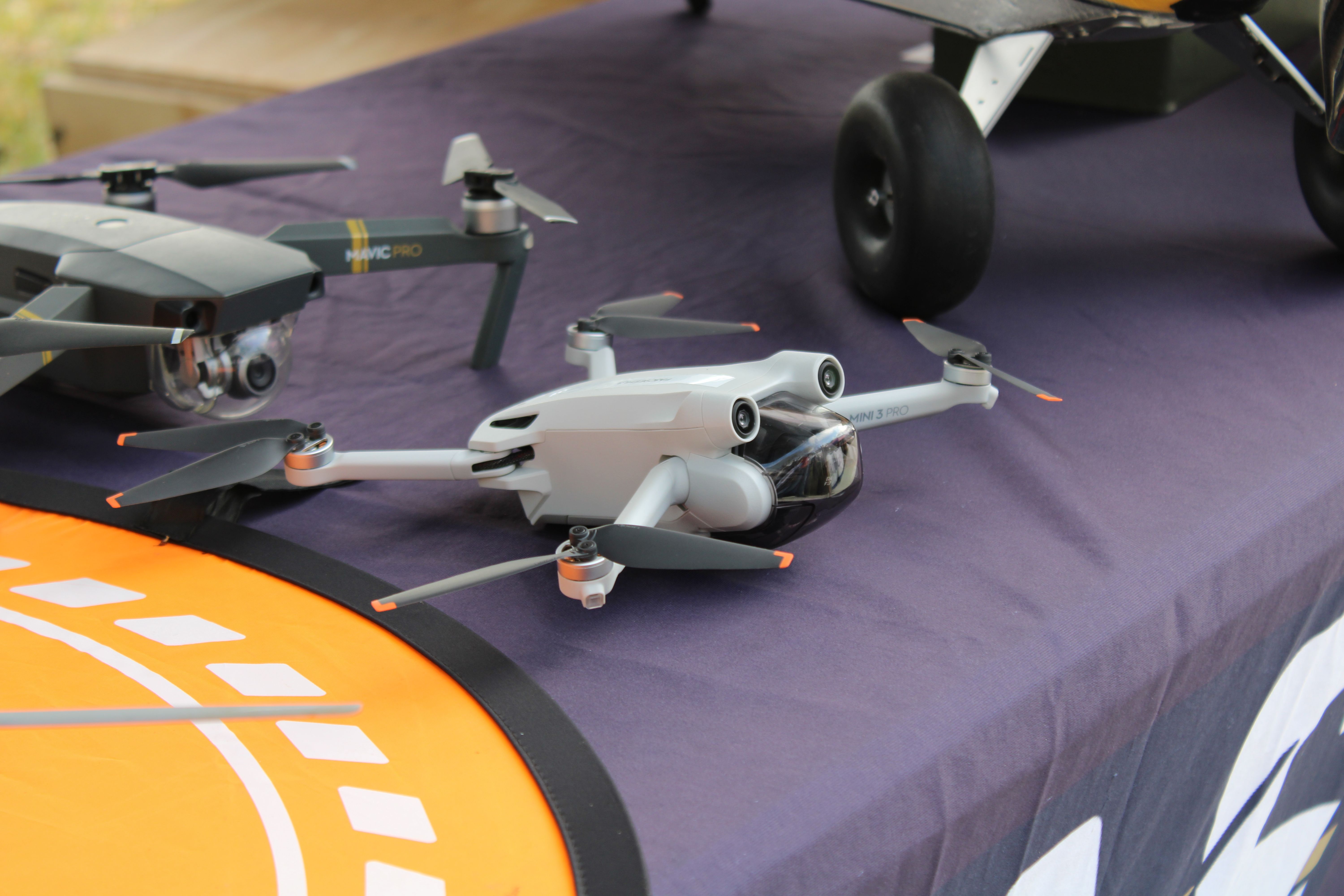
Weighing just 249g, the Mini 3 Pro bypasses recreational FAA registration while packing a large 1/1.3-inch sensor with dual native ISO, f/1.7 aperture, and 4K/60fps HDR video. Its unique rotating gimbal allows true vertical shooting for social feeds without cropping resolution. Offers tri-directional obstacle sensing, ActiveTrack 4.0, and up to 34 minutes of flight time (or 47 min with Plus battery). Choose this if you travel frequently and need top-tier cinematic quality without heavy regulatory friction.
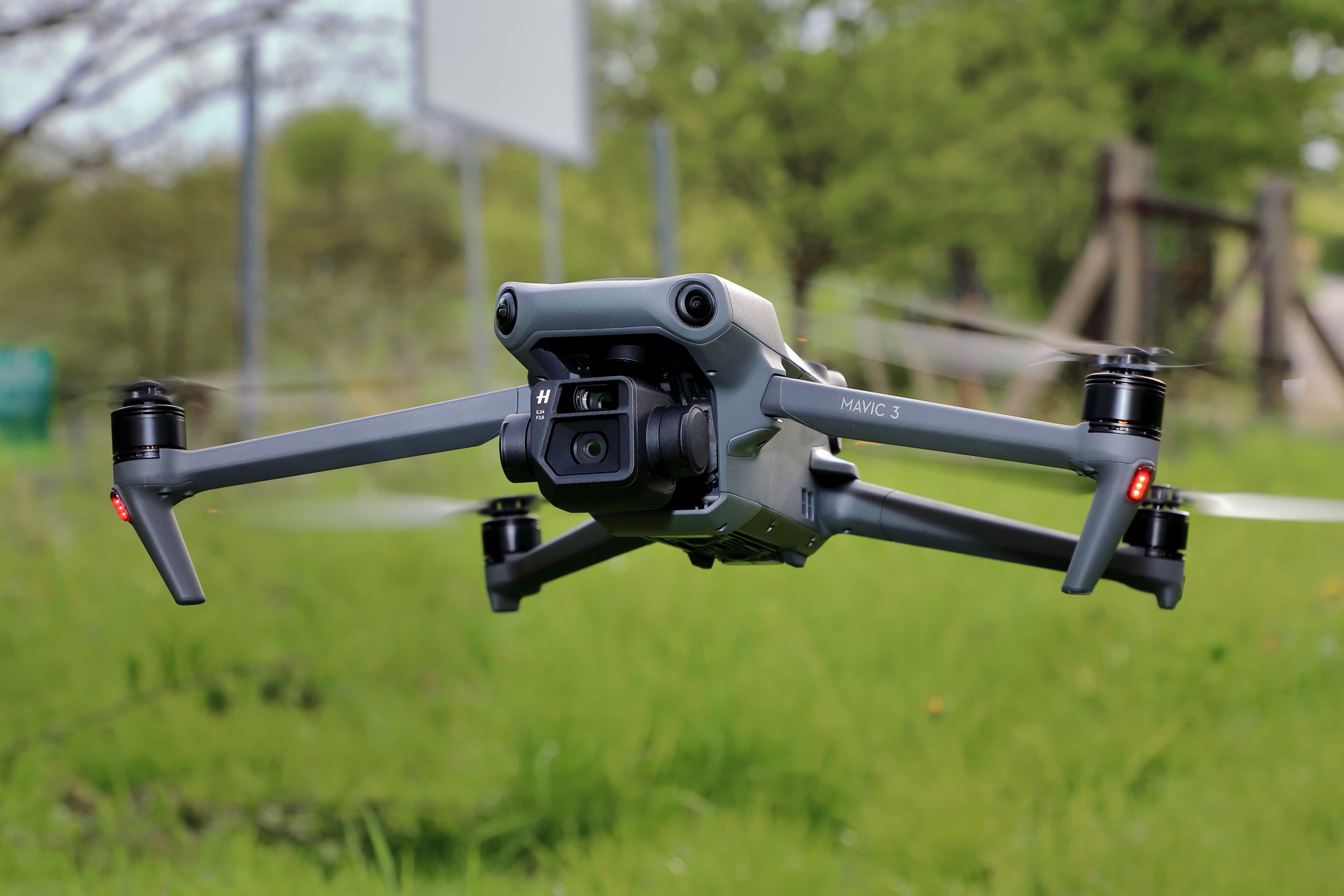
The ultimate professional aerial workhorse, featuring a bespoke 4/3 CMOS 20MP Hasselblad camera capable of 5.1K/50fps and 4K/120fps slow motion in 10-bit D-Log M color. Delivers up to 46 minutes of flight time, omnidirectional APAS 5.0 obstacle sensing, and a 15km O3+ transmission range with crystal-clear 1080p/60fps live feed. Operates in winds up to 12 m/s with rock-solid stability. Choose this for commercial real estate, professional film production, and demanding landscape shoots.
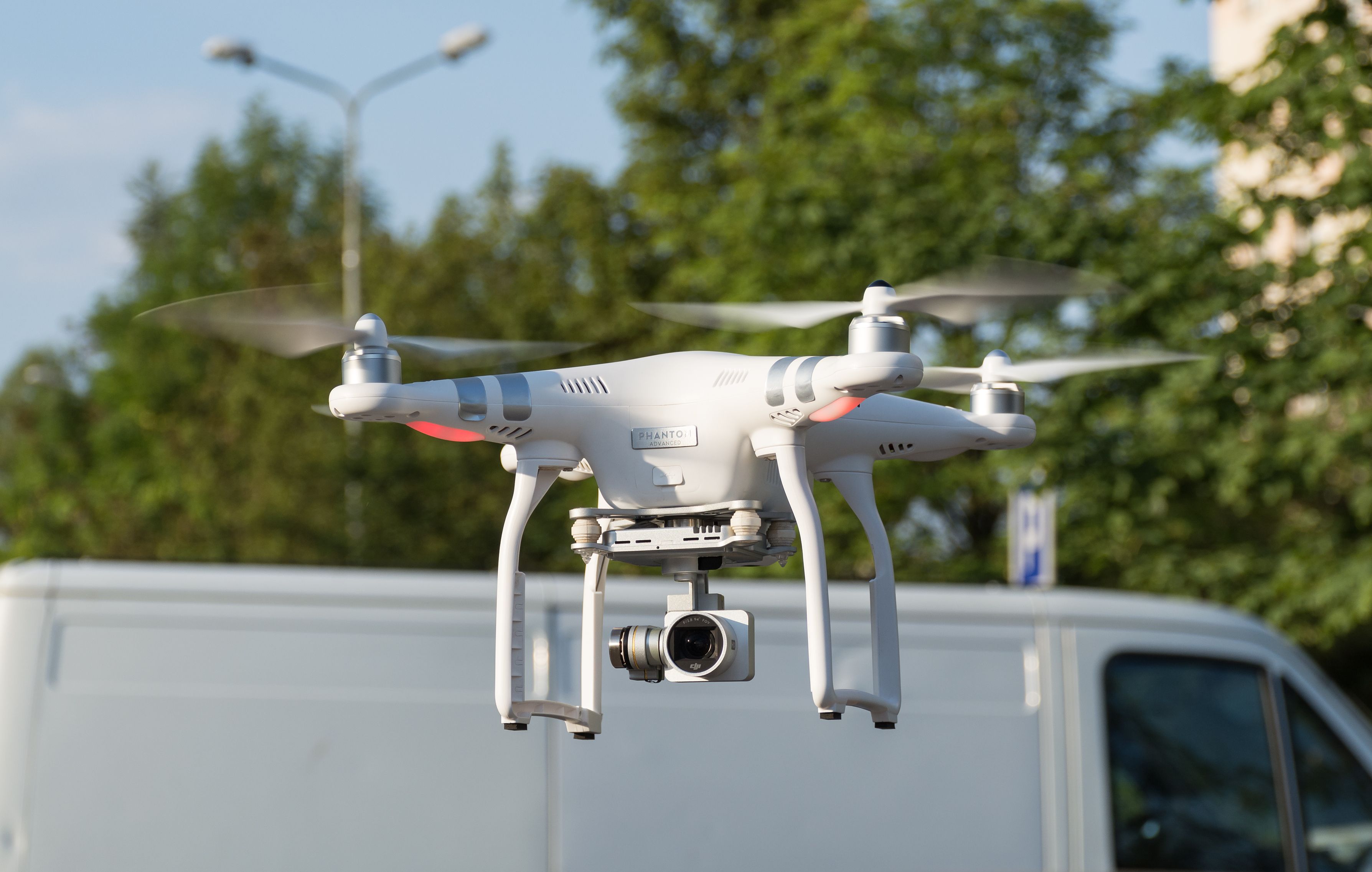
A dependable, budget-conscious choice for new pilots. Features a 2-axis gimbal stabilized 4K camera with Electronic Image Stabilization (EIS), dual GPS/GLONASS satellite positioning, and reliable optical flow hovering. Delivers a verified 26-minute battery life with auto-return-to-home if battery runs low or signal drops. Includes a rugged travel case and foldable arms. Choose this if you want to learn drone videography and safe flight controls without spending four figures.
In many countries, including the United States (FAA) and European Union (EASA), drones over 249 grams must be registered with national aviation authorities for outdoor recreational flight. Sub-249g drones like the DJI Mini series are exempt from standard recreational registration in many jurisdictions.
Explore related technical deep-dives and actionable buying guides.
