Pellet grills offer the ultimate blend of smoky flavor and set-it-and-forget-it convenience for backyard chefs. Our guide cuts through the marketing to reveal the top models for achieving perfect smoke rings and succulent grilled meals.
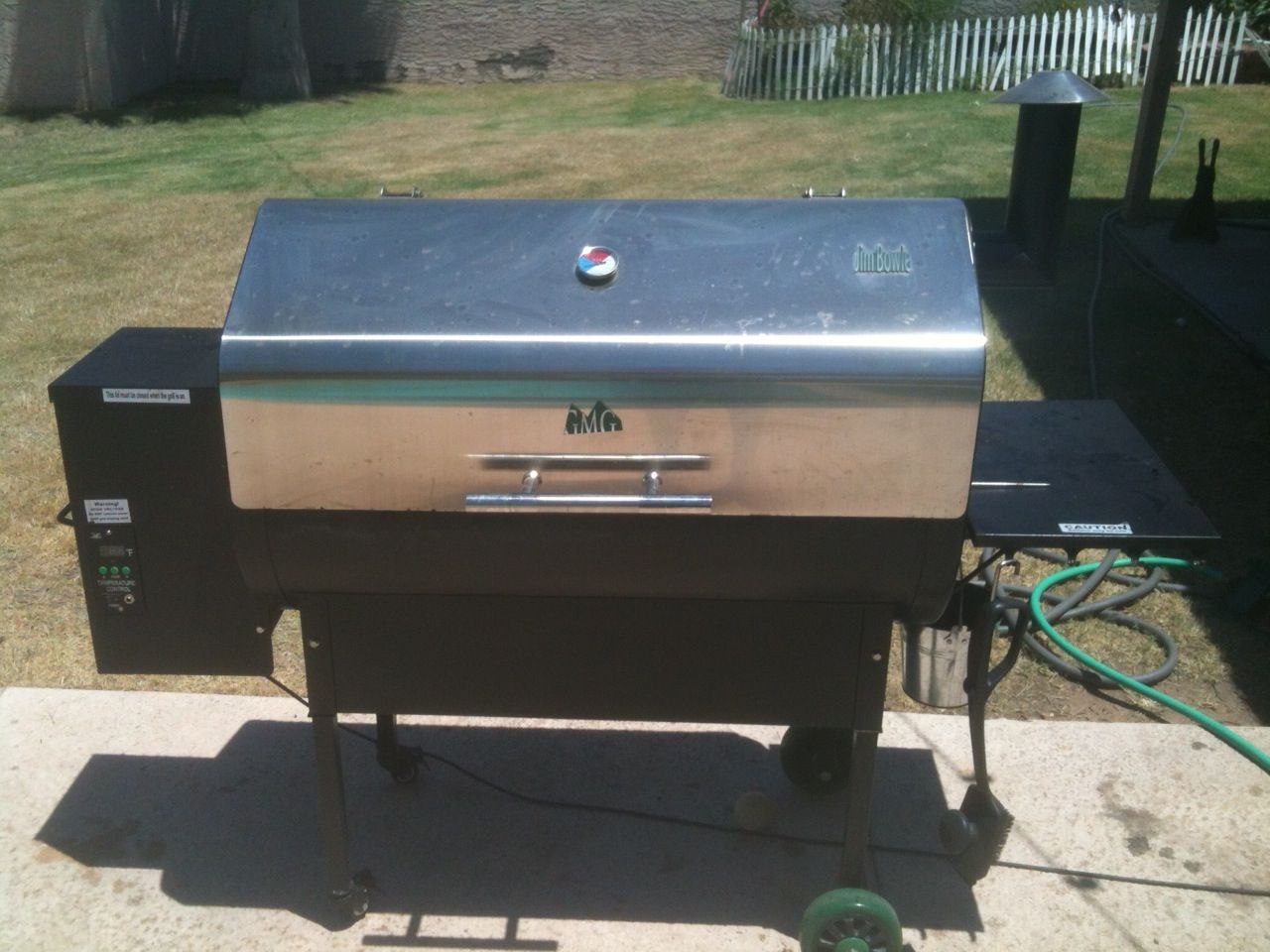
Our testing protocol for pellet grills focuses on real-world performance under various cooking conditions, assessing key metrics that directly impact the user experience and food quality.
We rigorously tested each grill's ability to maintain a set temperature across its operating range, particularly focusing on consistency during long smoking sessions and recovery times after opening the lid. PID controller effectiveness was a primary evaluation point, measured with independent temperature probes.
Beyond temperature, the quality and quantity of smoke produced were critical. We evaluated the 'smoke ring' on various cuts of meat (e.g., pork shoulder, ribs) and conducted blind taste tests to assess overall smoke flavor penetration and absence of acrid notes.
Each grill was assessed for material quality, gauge of steel, fit and finish of components (e.g., lid seal, casters, hopper lid). We also evaluated ease of assembly, digital interface intuitiveness, app functionality (where applicable), and the practicality of cleaning systems like ash dump and grease management.
These are the most frequent buying mistakes we see in real-world testing.
Failure to routinely clean the burn pot and grease management system can lead to inefficient operation, temperature fluctuations, auger jams, and significantly increases the risk of dangerous grease fires.
Low-quality or non-food-grade pellets can contain fillers, sawdust, or binders that burn inconsistently, produce off-flavors, generate excessive ash, and potentially damage the auger or igniter.
Attempting to cook immediately after setting the temperature can result in uneven cooking, a lack of consistent smoke flavor, and inaccurate temperature readings within the cooking chamber.
Use this simple framework to narrow down your options.
Seeks ease of use, reliable performance for weekend grilling, and minimal learning curve. Prioritizes intuitive controls, easy cleanup, and consistent results for burgers, wings, and ribs.
Demands precision PID temperature control, dual-wall insulation, advanced Wi-Fi app monitoring, and massive hopper capacity for overnight 14-hour brisket cooks.
Needs ample square inches of cooking grates and reliable automated pellet feeding under $600 for weekend family briskets, ribs, and smoked chicken.
Top pellet grills that fit different needs and budgets.
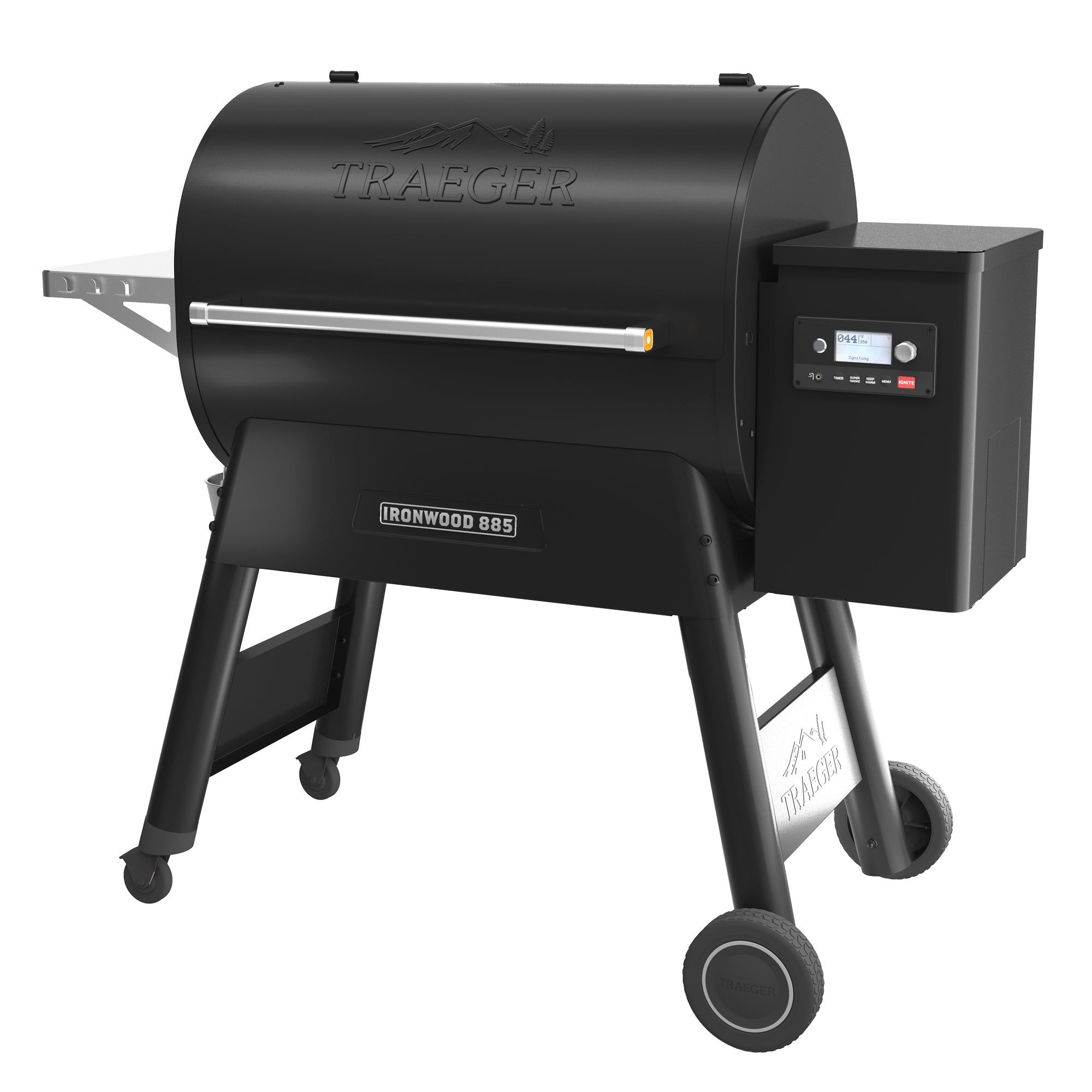
Traeger's high-capacity outdoor workhorse features 885 sq inches of dual-tier cooking space, double-wall side insulation for consistent heat retention in cold weather, and a D2 direct-drive variable speed auger. WiFIRE Wi-Fi controller allows precision temperature tuning from 165°F to 500°F with Super Smoke mode and pellet level sensor alerts on your phone. Accommodates up to 10 chickens or 7 pork butts. Choose this if you want maximum capacity, dependable app connectivity, and deep wood-fired smoke rings.
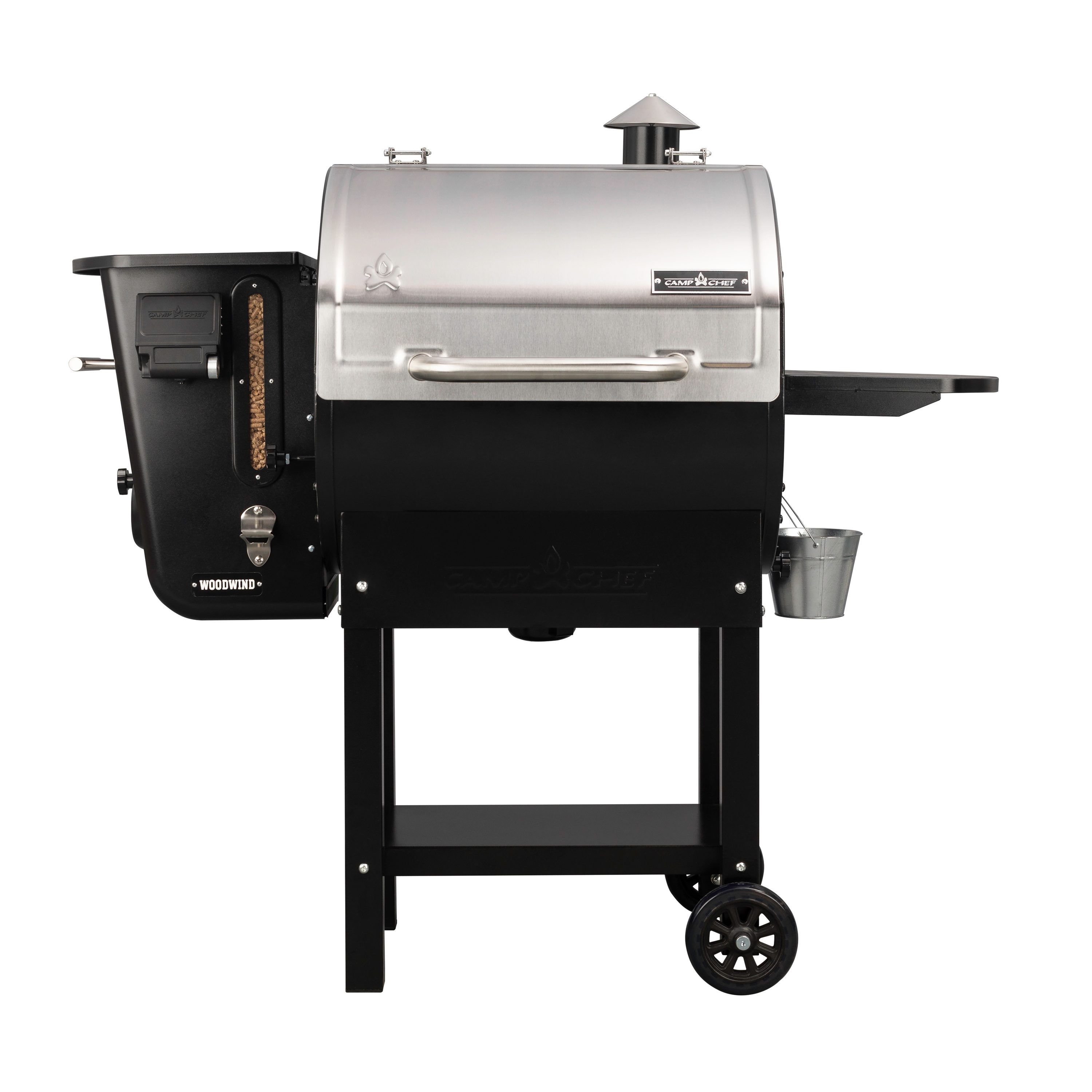
The most versatile mid-sized smoker, featuring 811 sq inches of rack space, four included meat probes, and a PID controller with 1-10 Smoke Number customization. Its standout Slide and Grill lever toggles from indirect smoking to direct flame searing at up to 650°F. The patented Ash Cleanout pull-cup dumps ash in seconds without disassembling internal heat plates. Choose this if you want hassle-free ash cleanup and true steak-searing versatility.
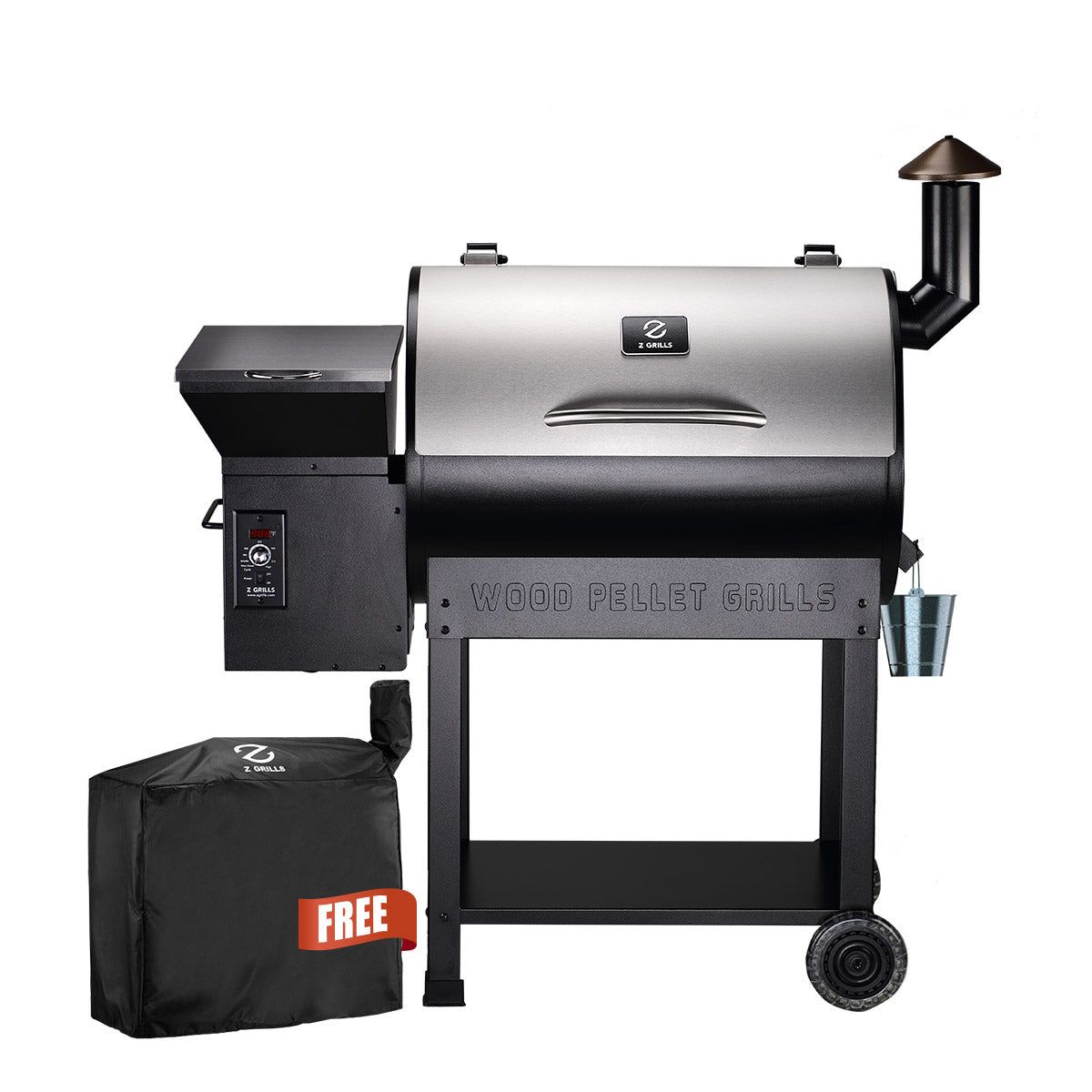
A heavyweight budget champion offering 700 sq inches of porcelain-coated steel cooking area and a massive 20-lb pellet hopper for 20+ hours of continuous unattended smoking. Features an upgraded digital PID temperature controller (180°F to 450°F), heavy-gauge steel lid, and all-terrain wheels. Choose this if you want commercial-grade brisket and pork shoulder smoking capacity at an entry-level price point.
While traditional pellet grills excel at low-and-slow smoking, many modern models incorporate features like higher maximum temperatures, direct flame access ports (like Camp Chef's Slide and Grill), or cast-iron searing grates to achieve temperatures over 500°F–650°F for a restaurant-grade crust.
Explore related technical deep-dives and actionable buying guides.
