Debating between a Dual Boiler and Single Boiler espresso machine? Learn how dedicated brew boilers, digital PID temperature stability, thermal recovery cycles, and simultaneous milk steaming impact your daily coffee routine.
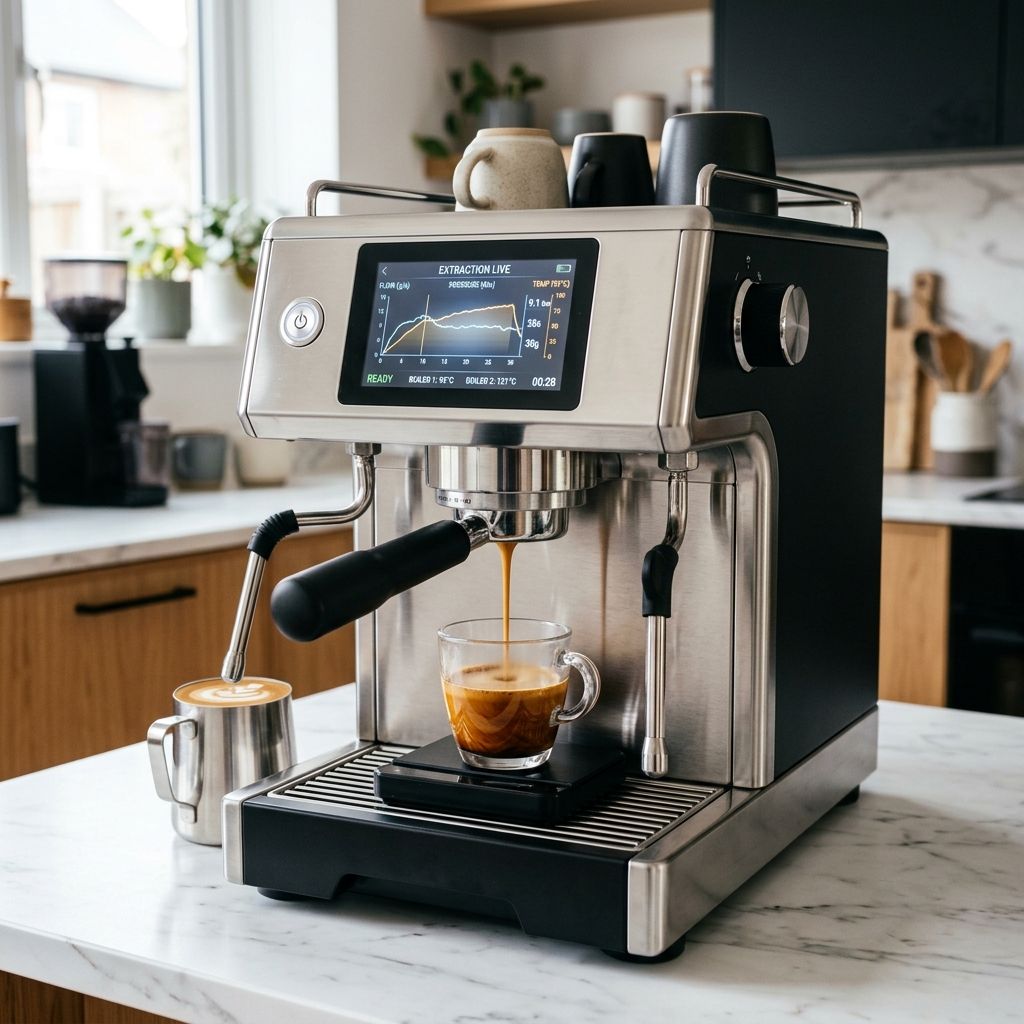
Choose a Dual Boiler machine if you make lattes, cappuccinos, or multiple drinks daily. Choose a Single Boiler machine if you drink straight espresso or have limited kitchen counter space.
Both Dual Boiler Systems and Single Boiler Systems are great options, but they work differently and offer distinct advantages.
Two independent brass/stainless steel boilers with dedicated PID controllers for brewing (93°C) and steaming (130°C).
One shared boiler that switches heating modes between espresso extraction and high-temperature steam generation.
Pulling an authentic cafe-quality shot of espresso requires forcing hot water through a finely ground coffee puck at a precise brewing temperature between 90°C and 94°C (194°F–201°F) under 9 bars of pressure. Conversely, steaming cold milk into glossy, silky microfoam for latte art requires dry steam generated at 125°C to 135°C (257°F–275°F). Managing these two drastically different temperature and pressure regimes within a single kitchen appliance represents the central engineering challenge of prosumer home espresso machines.
A Dual Boiler espresso machine houses two completely independent, dedicated boilers: a smaller stainless steel or brass brew boiler (typically 0.5L to 1.0L) tuned for surgical water temperature precision, and a larger steam boiler (1.5L to 3.0L) dedicated to high-pressure steam generation. Managed by dual PID micro-controllers, a Dual Boiler machine allows you to extract an espresso shot and steam milk simultaneously. Because the brew water is completely isolated from the steaming reservoir, pulling back-to-back lattes causes zero thermal drop at the group head and zero waiting between drinks.
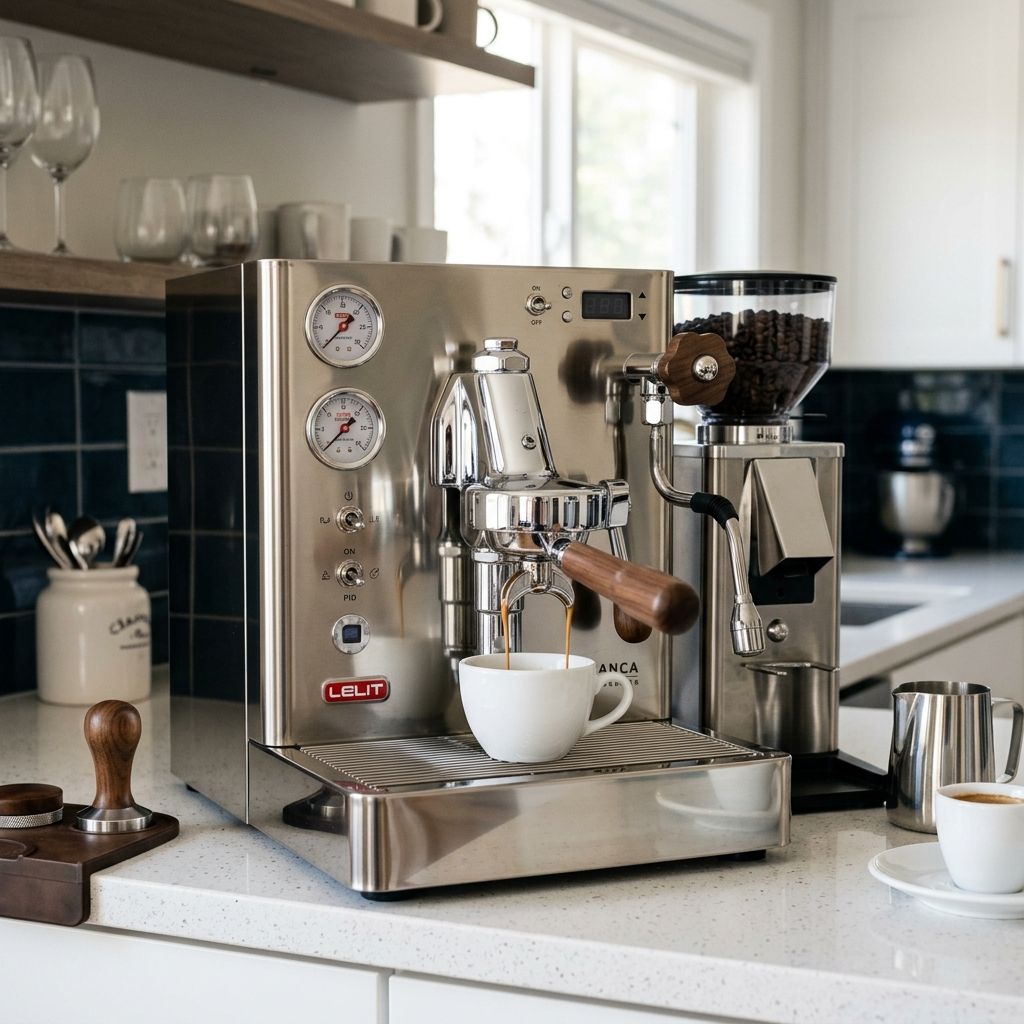
A Single Boiler Dual-Use (SBDU) machine utilizes one single shared water reservoir for both espresso extraction and milk steaming. When you turn on the machine, the boiler heats to ~93°C for brewing. To froth milk, you must flip a steam switch and wait 45 to 90 seconds while the heating element boils the chamber up to ~130°C. After texturing milk, you cannot pull another espresso shot immediately—the boiler is filled with scorching 130°C steam that would incinerate the coffee grounds into bitter ash. You must perform a manual "cooling flush" through the group head to refill the boiler with fresh cold water. While slower, Single Boiler machines deliver identical 9-bar extraction quality in a lighter, space-saving chassis.
When selecting your boiler platform, examine your morning beverage preferences. If you routinely make milk-based drinks (cappuccinos, flat whites, and iced lattes) for yourself and family members, a Dual Boiler machine saves 5 to 10 minutes every morning and provides commercial-grade steam velocity (1.5–2.0 bars). If your daily routine consists almost exclusively of straight double espressos, Americanos, or single morning drinks where extra countertop space and quick 5-minute warm-up times matter most, a Single Boiler machine paired with a PID controller provides exceptional extraction performance at half the price.
Dual Boilers allow you to texture silky latte art microfoam while your double shot pours, finishing drinks in under 60 seconds.
Single Boiler machines deliver authentic 58mm commercial portafilter extraction in a compact, space-saving cabinet footprint.
Dual Boilers pull consecutive espresso shots and steam milk pitchers continuously without boiler recovery pauses.
Single Boiler machines deliver top-tier extraction pressure and crema density without paying for an unused second steam boiler.
If you make milk-based drinks like lattes or flat whites every morning, or frequently brew for multiple family members, a Dual Boiler espresso machine is well worth the investment for its instant steaming, PID precision, and zero-wait workflow. If you primarily drink straight espresso shots or need a compact machine for a small kitchen counter, a Single Boiler machine delivers identical shot quality at a much lower cost.
No. A Single Boiler machine uses one shared water chamber that cannot physically maintain 93°C liquid brewing water and 130°C steam pressure at the same time. You must extract your espresso shot first, wait 45 to 90 seconds for steam pressure to build, and steam your milk sequentially.
Explore related technical deep-dives and actionable buying guides.
