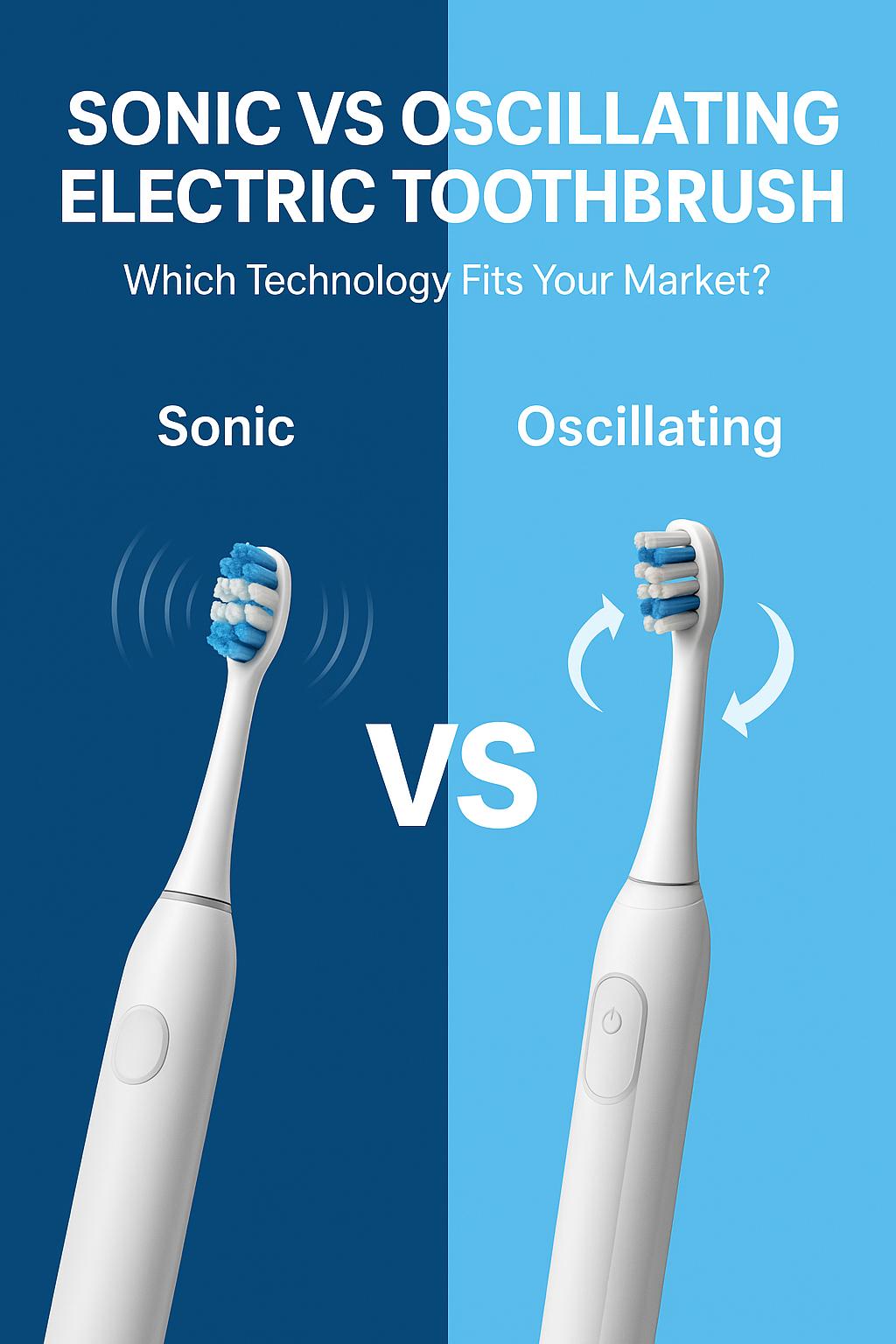
Choose a sonic toothbrush for gentle gum care, whisper-quiet operation, and effortless micro-bubble cleaning. Choose an oscillating-rotating brush if you have stubborn surface stains and prefer a vigorous tooth-cupping scrub.
Both Sonic Toothbrushes and Oscillating-Rotating Toothbrushes are great options, but they work differently and offer distinct advantages.
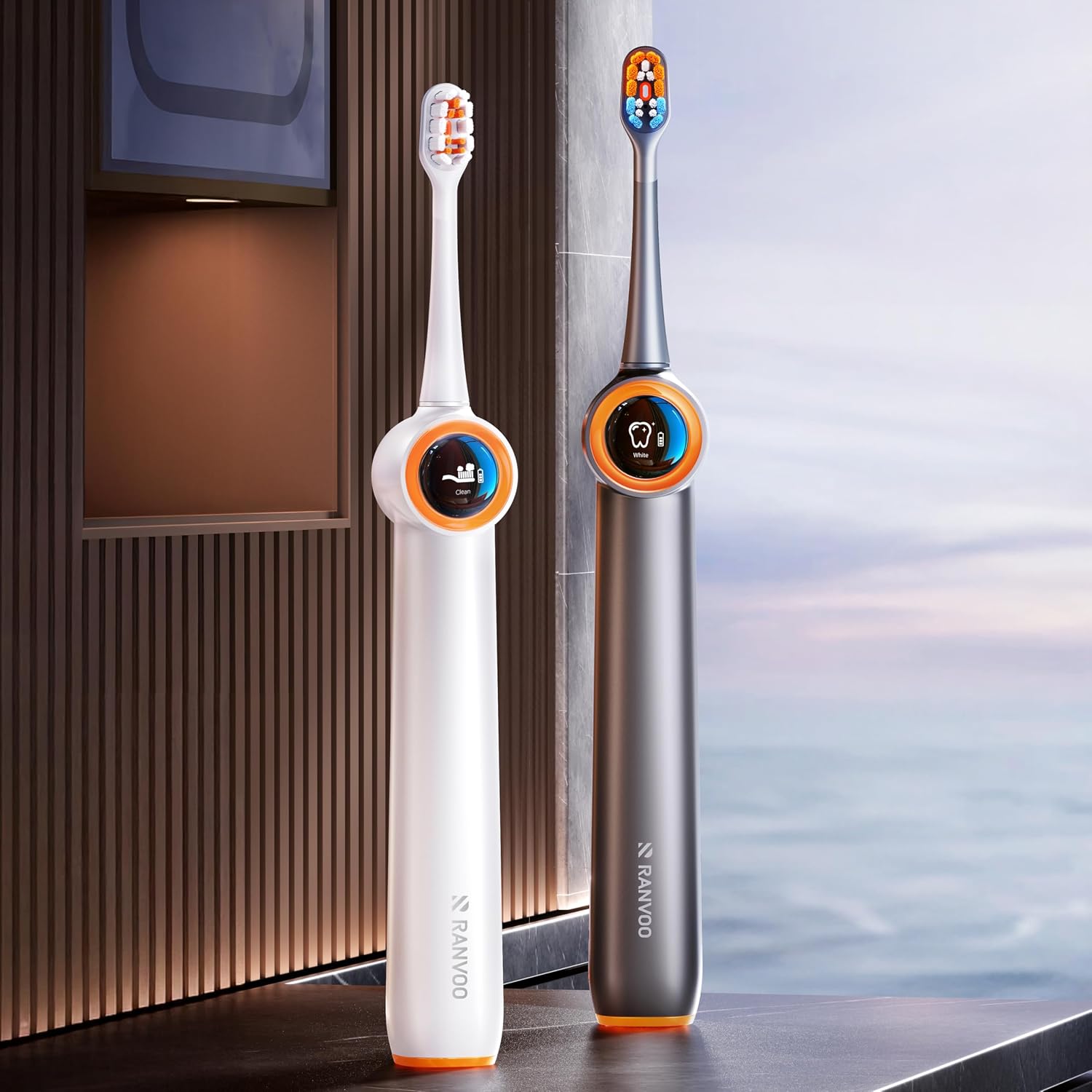
31,000 to 62,000 VPM side-to-side sweeping action forces oxygenated micro-bubbles between teeth.
Round bristle head oscillates back-and-forth while pulsating in-and-out to cup and scrub individual teeth.
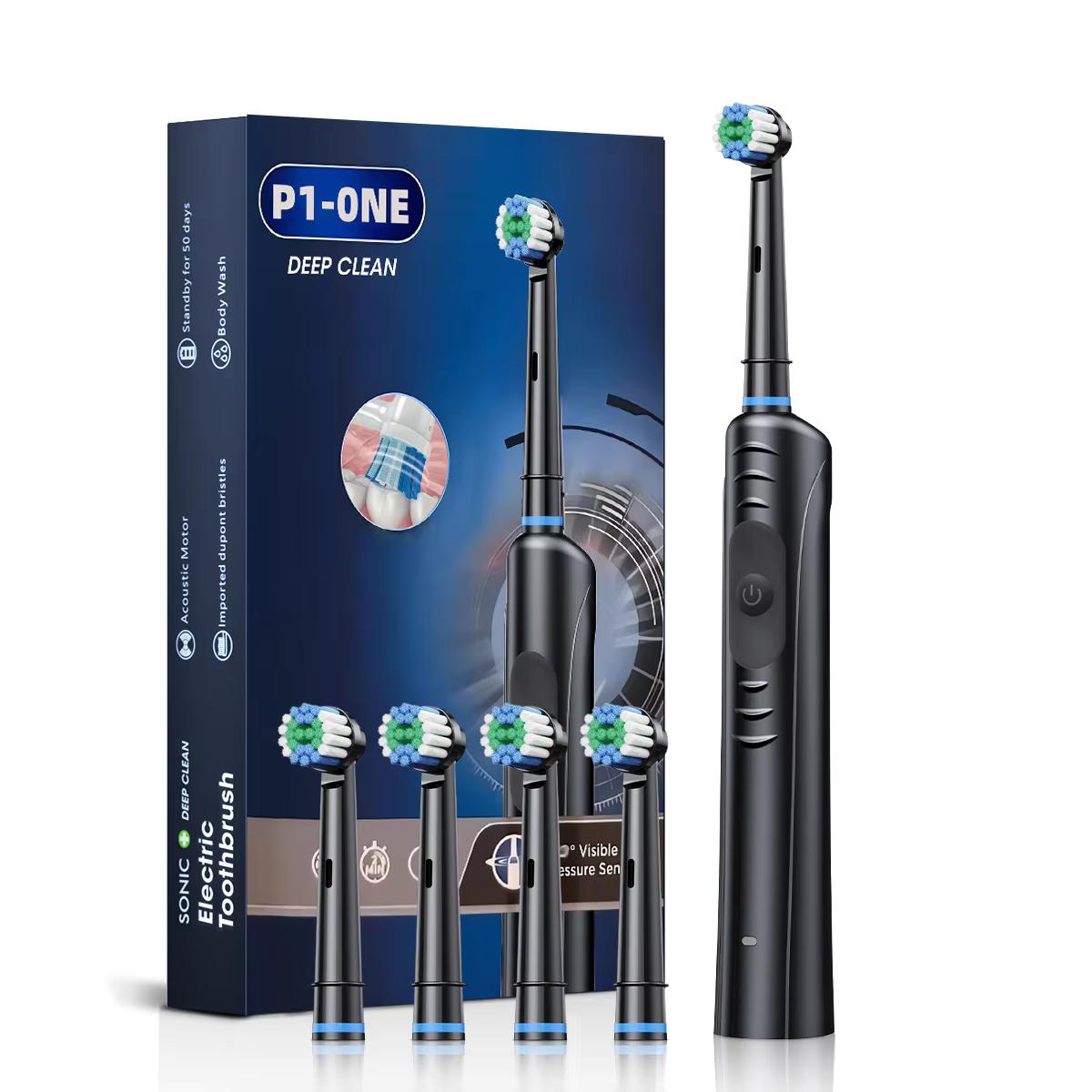
The dental hygiene market is dominated by two distinct brushing technologies: Sonic Electric Toothbrushes (pioneered by Philips Sonicare) and Oscillating-Rotating 3D Toothbrushes (pioneered by Oral-B). Sonic toothbrushes use a magnetic levitation motor that vibrates a standard oval brush head side-to-side at frequencies between 31,000 and 62,000 brush movements per minute. Oscillating-rotating toothbrushes utilize a compact, round brush head that spins rapidly back and forth (8,800 oscillations per minute) while simultaneously pulsating in-and-out (up to 40,000 pulsations per minute) to cup individual teeth.
Sonic technology cleans through a phenomenon called non-contact fluid dynamics. The high-frequency sweeping vibrations agitate saliva, water, and toothpaste into micro-bubbles that are forced deep between teeth and beneath the gumline, disrupting plaque biofilms up to 4 millimeters beyond where the physical bristle tips make contact. Oscillating-rotating brushes rely on direct 3D mechanical contact: the round cup head wraps around the convex contours of each individual tooth, physically scrubbing away stubborn extrinsic stain particles and hardened plaque.
Sonic toothbrushes offer a gentler, buzzing sensation that many users with sensitive gums or receding gingival tissue find more comfortable. Oscillating-rotating brushes provide a vigorous "dentist clean" mechanical feel that excels at polishing tooth enamel. Both modern platforms incorporate smart visual pressure sensors (turning red if you press too hard) to protect delicate enamel and gum tissue from abrasive over-brushing.
Sonic vibrations gently cleanse inflamed gumlines without abrasive mechanical friction.
Oscillating round heads provide superior enamel polishing to lift dark extrinsic stains.
Sonic fluid dynamics push cleansing fluids around brackets and tight wire interdental spaces.
Compact round oscillating heads fit easily behind tight back molars where manual brushes miss.
Clinical studies confirm that both sonic and oscillating-rotating electric toothbrushes remove significantly more plaque than manual toothbrushes. If you want a gentle, whisper-quiet brush with fluid micro-bubble interdental cleaning, choose sonic. If you want intense tooth-cupping plaque removal and enamel polishing, choose oscillating-rotating.
No, provided you do not press too hard. Both modern sonic and oscillating-rotating brushes feature built-in smart pressure sensors that automatically throttle motor speed and flash red warning LEDs if you apply excessive force.
Explore related technical deep-dives and actionable buying guides.