Electric bikes offer a revolutionary way to commute, explore, and stay active, blending pedal power with motor assistance. This comprehensive guide details key factors, types, and top models to help you find the perfect e-bike for your needs.
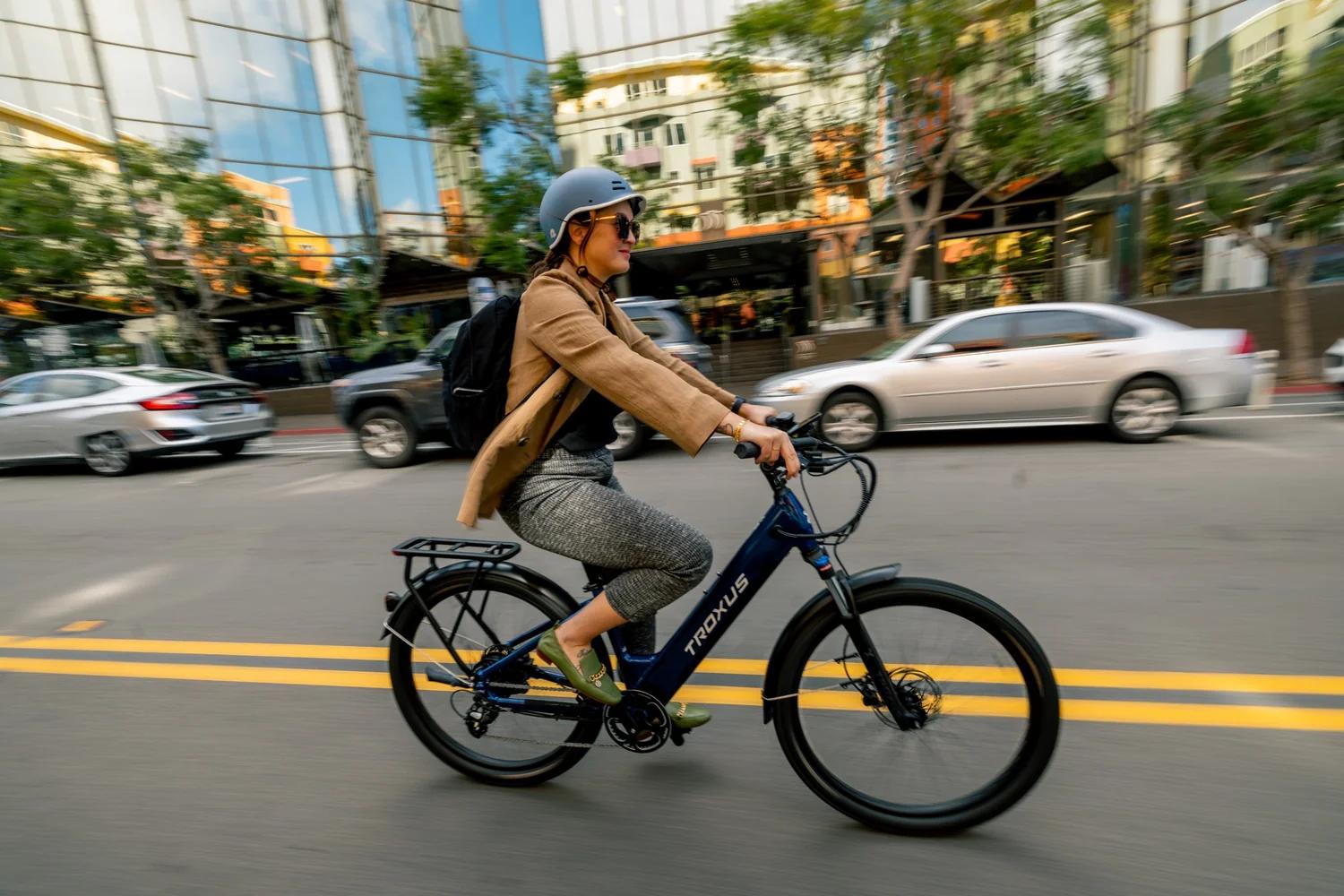
Our rigorous testing protocol for electric bikes involves extensive real-world usage across varied terrains and conditions, complemented by objective measurement of key performance indicators. We focus on attributes vital for both daily functionality and long-term durability.
We evaluate motor responsiveness, acceleration, hill-climbing ability, and the smoothness of pedal assist across different levels. Range tests are conducted under consistent conditions to ascertain actual battery performance.
Rider comfort is assessed over extended periods, considering saddle quality, handlebar position, suspension effectiveness, and frame geometry. We also evaluate the intuitive nature of controls and display visibility.
Each e-bike undergoes scrutiny for frame integrity, component durability (brakes, drivetrain, wheels), and overall construction quality. Braking performance, stability at speed, and integrated safety features like lights are critically examined.
These are the most frequent buying mistakes we see in real-world testing.
Purchasing an e-bike without understanding its class (1, 2, or 3) can lead to legal issues regarding where you're permitted to ride, potentially restricting access to bike paths or trails.
Opting for a smaller, cheaper battery to save money often results in 'range anxiety' or needing to charge more frequently, which can limit utility for longer commutes or recreational rides.
Buying an e-bike based solely on specs or price without a proper test ride can lead to an ill-fitting bike, causing discomfort, poor handling, and reduced enjoyment over time.
Use this simple framework to narrow down your options.
Needs a reliable, comfortable e-bike with good range for daily commutes. Prioritizes fenders, integrated lights, and potentially a rear rack. A Class 1 or 2 often suffices. Mid-drive or responsive hub-drive for efficient city navigation.
Seeks an e-bike capable of handling diverse terrain, from paved paths to light trails. Values robust suspension, durable components, and higher battery capacity for longer rides. Often leans towards an eMTB or a capable hybrid e-bike.
Looking for the most affordable entry into the e-bike world without sacrificing essential functionality. May prioritize portability (folding) or simpler hub-drive systems. Willing to compromise on some premium features for cost savings.
Top electric bikes that fit different needs and budgets.
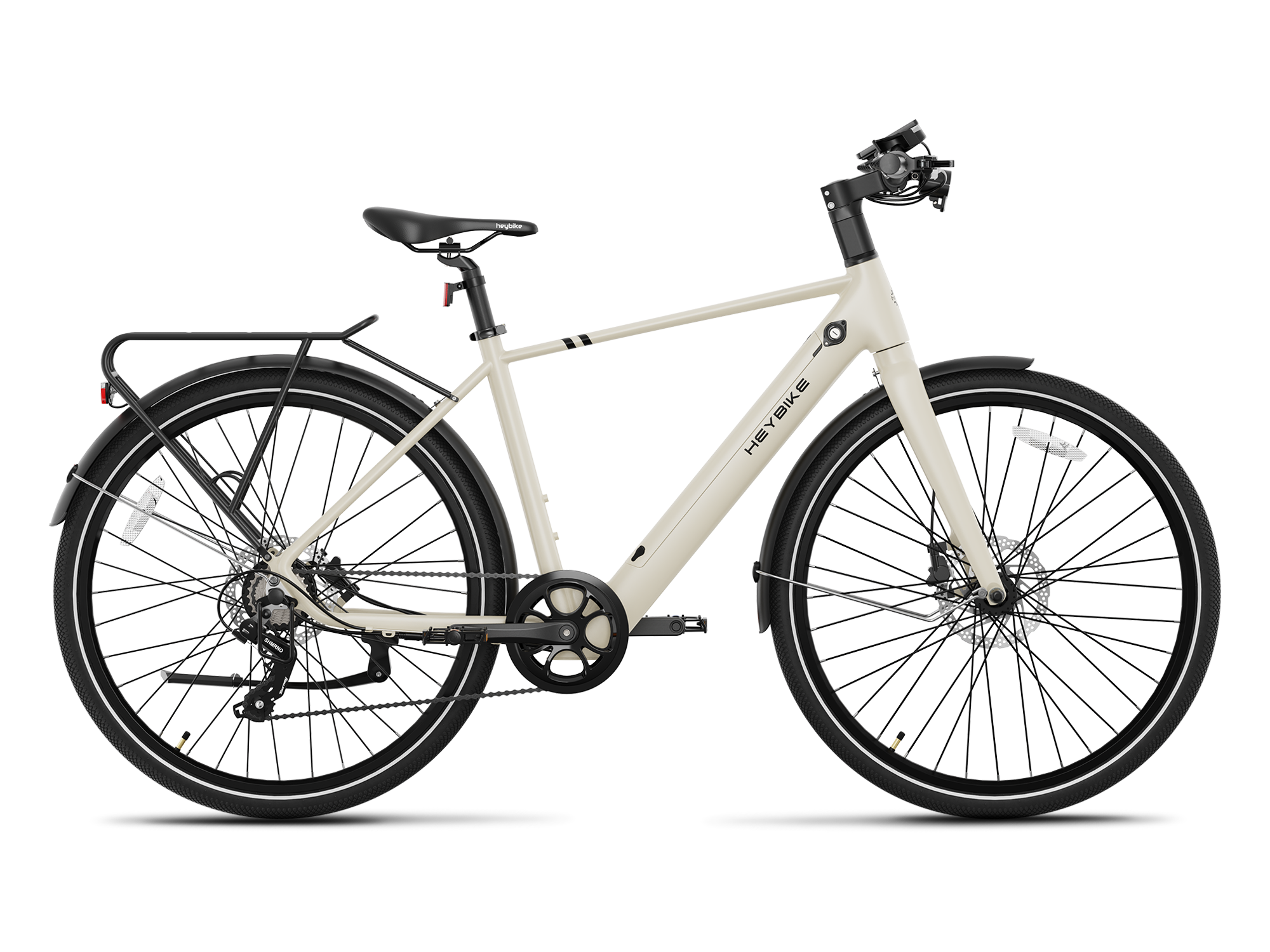
A sleek, lightweight 42.3 lb urban commuter designed for agile city streets. Equipped with a 250W rear hub motor (500W peak) paired with a responsive torque sensor for natural power delivery up to 20 mph. The removable 360Wh battery yields 45-60 miles of pedal assist per charge. Features hydraulic disc brakes, 7-speed Shimano gearing, and 700x40C puncture-resistant tires. Choose this if you want an ultra-clean, lightweight commuter that looks and handles like a classic road bike.
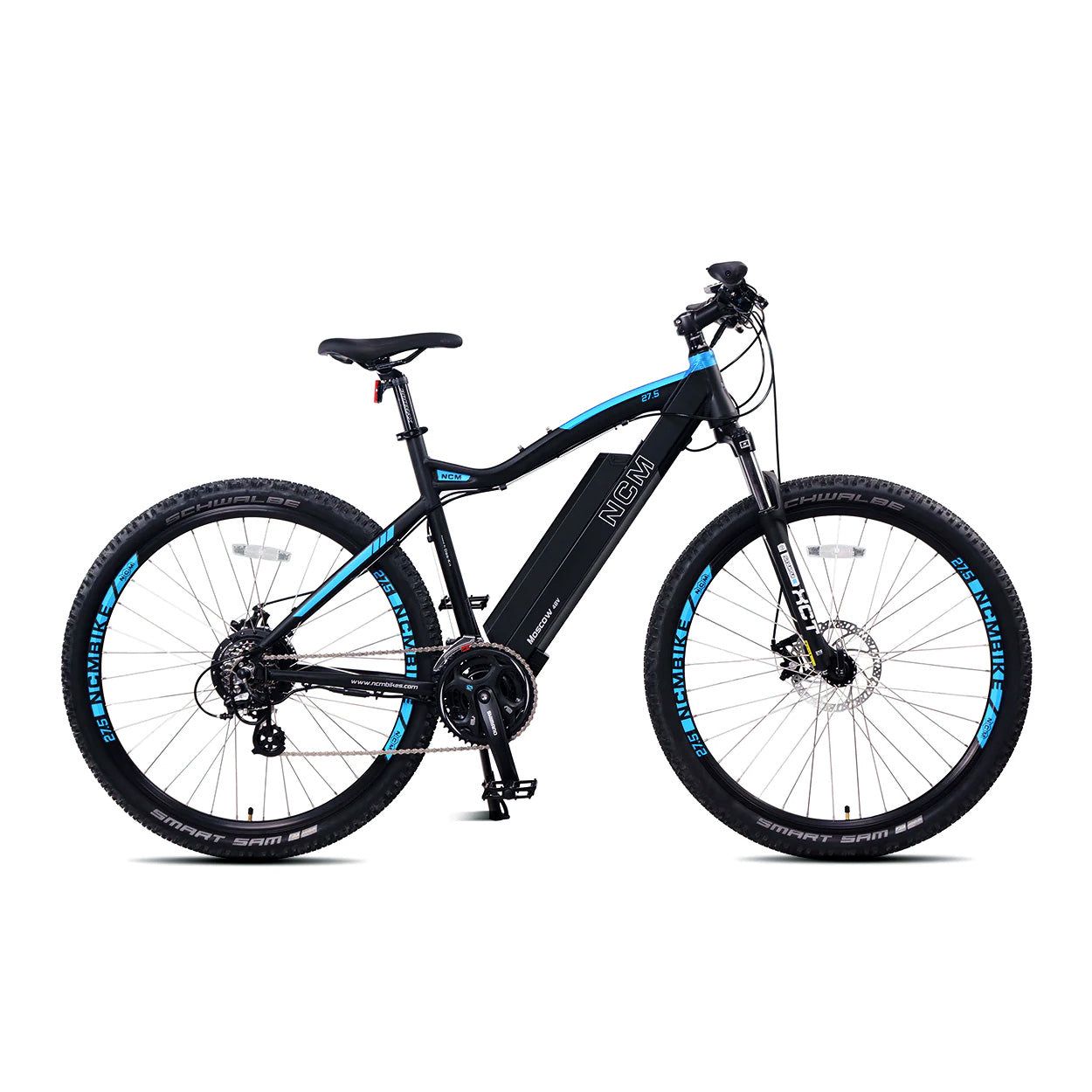
Built for rugged trail exploration and steep climbs, the Moscow Plus pairs a high-torque 500W rear hub motor with a massive 768Wh (48V 16Ah) DeHawk battery delivering 50-80 miles of assisted range. Features 100mm Suntour front suspension fork, Tektro hydraulic disc brakes, and 27.5-inch Schwalbe Smart Sam tires. Choose this if you tackle steep grades, gravel paths, and backcountry adventures requiring massive battery autonomy.
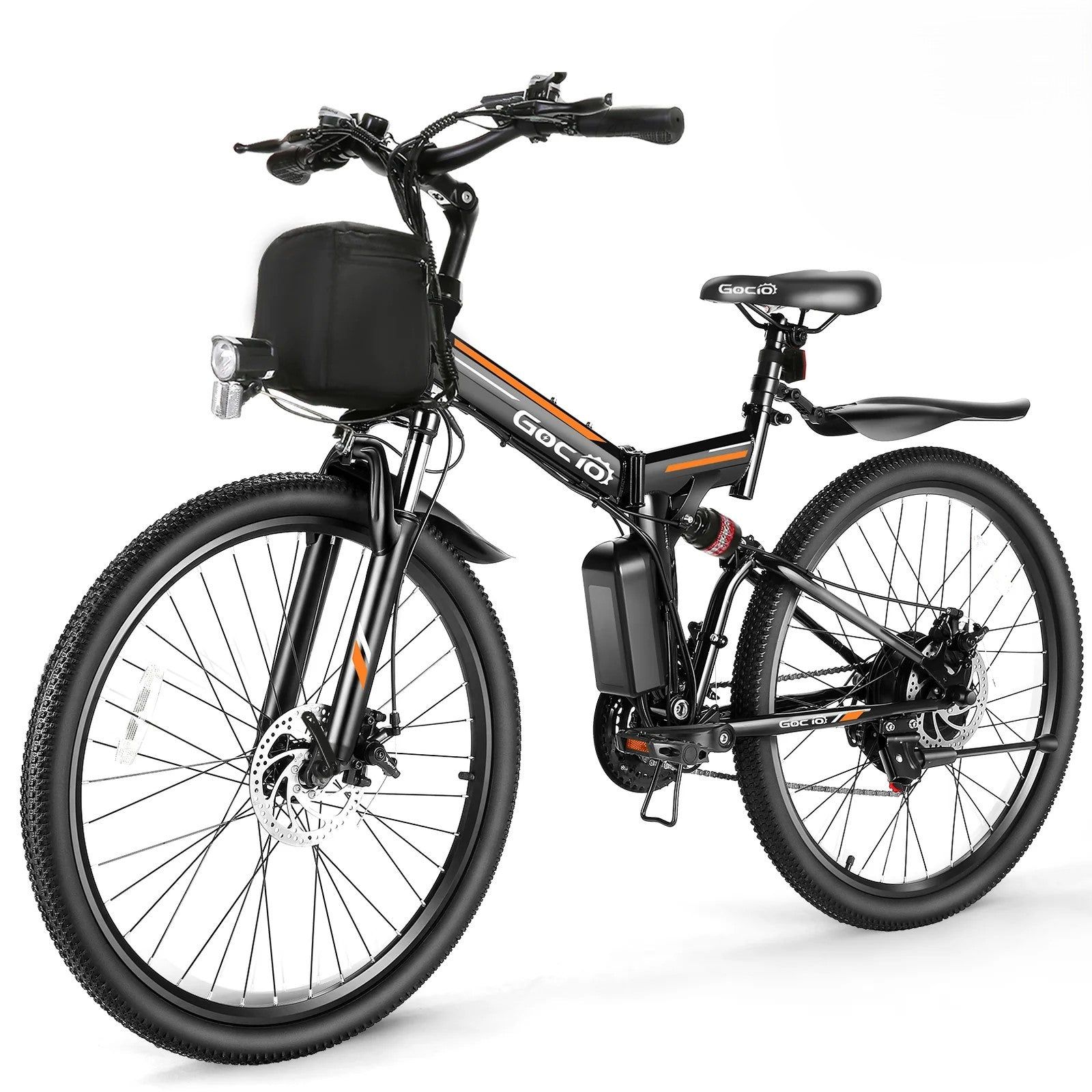
The ultimate space-saving urban mobility solution. Folds down in under 15 seconds to fit into compact car trunks, closets, or train compartments. Features a 350W motor with Class 2 throttle and 3-level pedal assist reaching 20 mph, powered by a removable 36V 7.8Ah battery offering 20-30 miles per charge. Choose this if you need a dependable, low-cost commuter for short trips and multi-modal transit.
The legal speed limit for motor assistance on electric bikes varies significantly by region and e-bike class. In the United States, Class 1 and Class 2 e-bikes assist up to 20 mph, while Class 3 e-bikes assist up to 28 mph. It's crucial to check local and state regulations, as these can impact where you can legally ride your e-bike, especially on multi-use paths or roads.
Explore related technical deep-dives and actionable buying guides.
