Choosing between hardside and softside suitcases? We compare 100% Makrolon polycarbonate impact resistance, ballistic nylon tear strength, 50/50 clamshell versus top-lid packing, and overhead bin squeeze flexibility.

Choose Hardside for checked luggage and fragile belongings. Choose Softside for carry-on convenience, quick airport security access, and flexible packing.
Both Hardside Luggage and Softside Luggage are great options, but they work differently and offer distinct advantages.
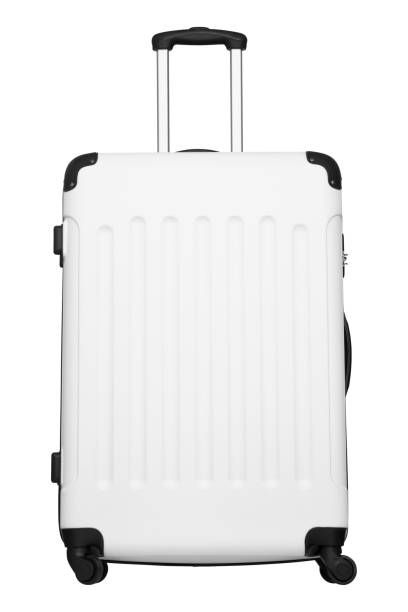
Rigid, non-porous polymer shells engineered for impact resistance, structural rigidity, and weatherproofing.
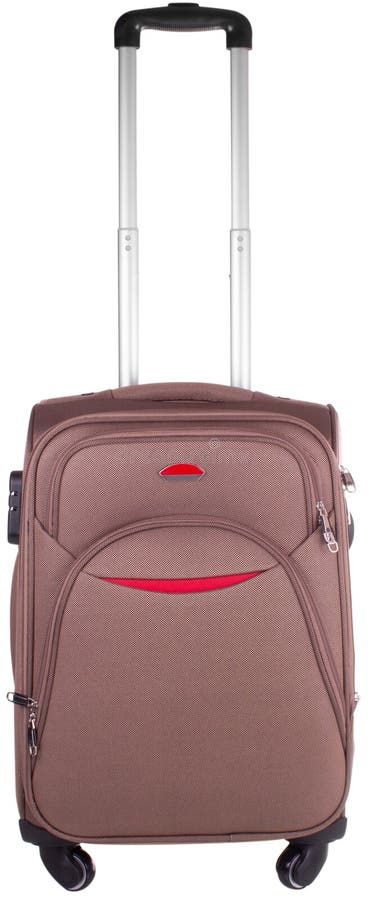
High-tenacity woven fabric with flexible expansion gussets and exterior organizer pockets.
Selecting the ideal luggage for international air travel or weekend road trips begins with a fundamental engineering choice: Hardside Polymer Suitcases (constructed from virgin polycarbonate, aluminum, polypropylene, or ABS) versus Softside Fabric Suitcases (woven from high-tenacity ballistic nylon, Cordura, or ripstop polyester). Each material paradigm solves a distinct set of travel challenges regarding baggage handler impact protection, packing flexibility, water resistance, and airport security.
In hardside luggage, material quality dictates durability. Budget hardshells use rigid ABS plastic, which becomes brittle and cracks under freezing cargo hold temperatures. Premium hardshells use 100% German Makrolon polycarbonate: an elastic, ultra-durable polymer that flexes under heavy compressive baggage drops and pops back into shape without denting or cracking. In softside luggage, woven 1680D ballistic nylon and Cordura fabrics provide unmatched resistance against scuffs, sharp luggage conveyor belts, and abrasive friction, retaining an elegant appearance for decades of heavy flight miles.
The internal packing architecture fundamentally changes how you organize your wardrobe and navigate tight hotel rooms. Most hardside suitcases feature a central 50/50 clamshell split: the bag opens in the middle like a book, requiring double the floor space on a hotel luggage rack to access contents. Softside suitcases utilize a single deep main compartment with a top-opening lid. This allows travelers to prop the bag against a wall in cramped European hotel rooms, pack tall bulky items (like hiking boots and winter parkas) effortlessly, and utilize quick-access external zippered pockets for boarding passes, laptop sleeves, and passport pouches.
When selecting your suitcase, evaluate your luggage handling needs. For checked baggage containing fragile electronics, camera equipment, or wine bottles, a zipperless aluminum-frame hardshell with integrated TSA combination latches provides impenetrable crush resistance and water protection. For carry-on travelers who pride themselves on squeezing into crowded Boeing and Airbus overhead bins, an expandable softside spinner with external laptop access offers maximum packing versatility.
Polycarbonate hardshells protect camera lenses, laptop docks, and fragile electronics from aggressive airport baggage drops.
Softside carry-ons feature quick-access front padded sleeves to pull out your work laptop at TSA airport security checkpoints.
Hardside checked suitcases offer weather-sealed security, preventing rain from soaking clothes on outdoor airport tarmac luggage carts.
Softside zippered expansion gussets expand internal packing volume by 25% to fit extra holiday shopping.
If you are checking bags, carrying fragile electronics or bottles, and prioritize weather protection and modern security, a 100% Polycarbonate Hardside suitcase is the gold standard. If you want a carry-on with front laptop pockets, deep single-compartment packing, and the flexibility to squeeze into tight airplane overhead bins, a high-denier Softside suitcase is the more versatile travel companion.
Hardside luggage made from 100% polycarbonate or aluminum is generally superior for checked baggage because its rigid shell protects fragile contents, camera lenses, and bottles from being crushed by heavy bags in airport cargo holds.
Explore related technical deep-dives and actionable buying guides.
