Deciding between an All-in-One (4-in-1) and a dedicated Convertible car seat? We analyze FMVSS crash safety engineering, extended rear-facing limits, and backseat footprint.
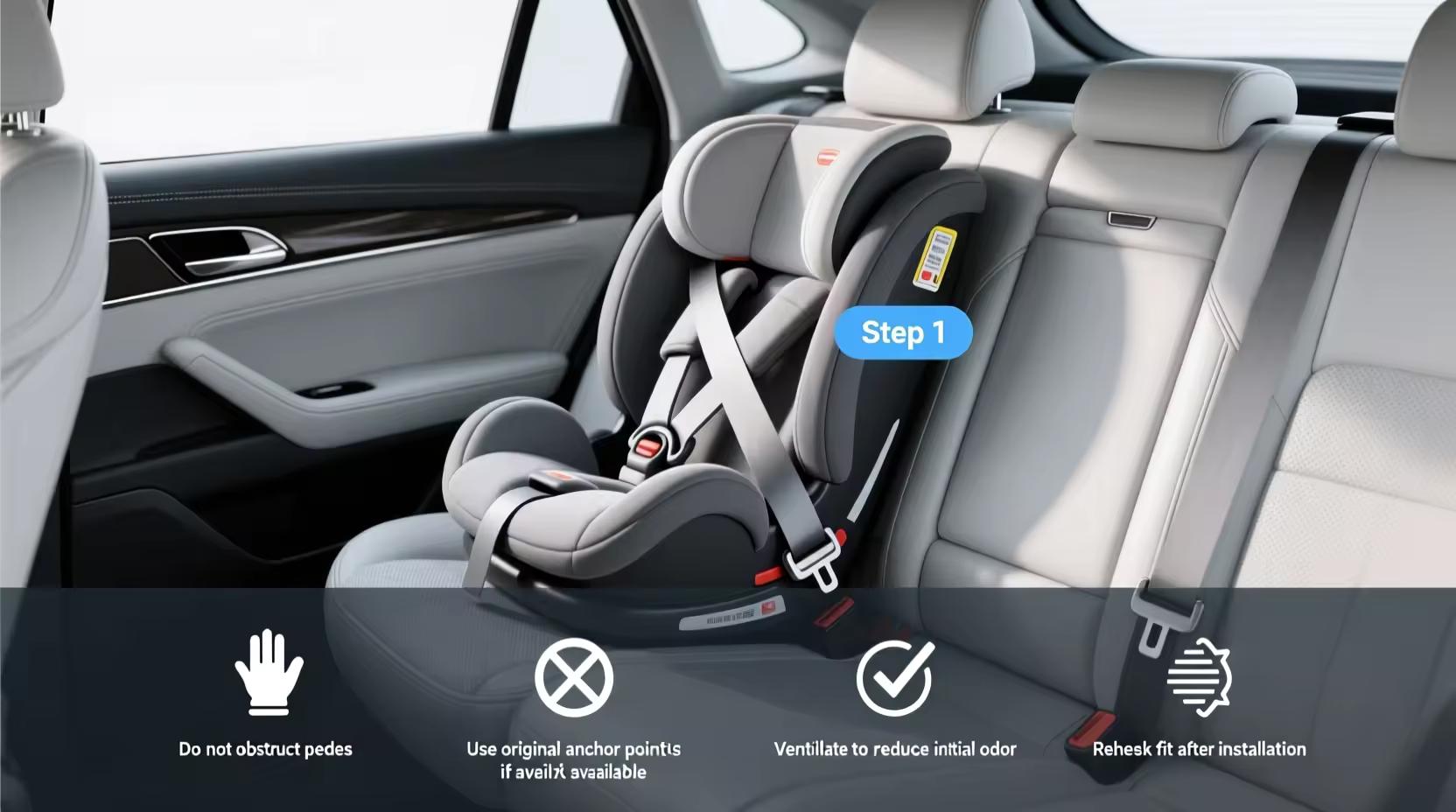
Choose a dedicated convertible seat if you have a compact SUV/sedan and want maximum rear-facing safety and front passenger legroom. Choose an all-in-one seat if you have a spacious vehicle and want a single economical seat for 10 years.
Both All-in-One (4-in-1) Seats and Dedicated Convertible Seats are great options, but they work differently and offer distinct advantages.
10-year steel-reinforced frame that transitions through rear-facing, forward-facing, and booster modes.
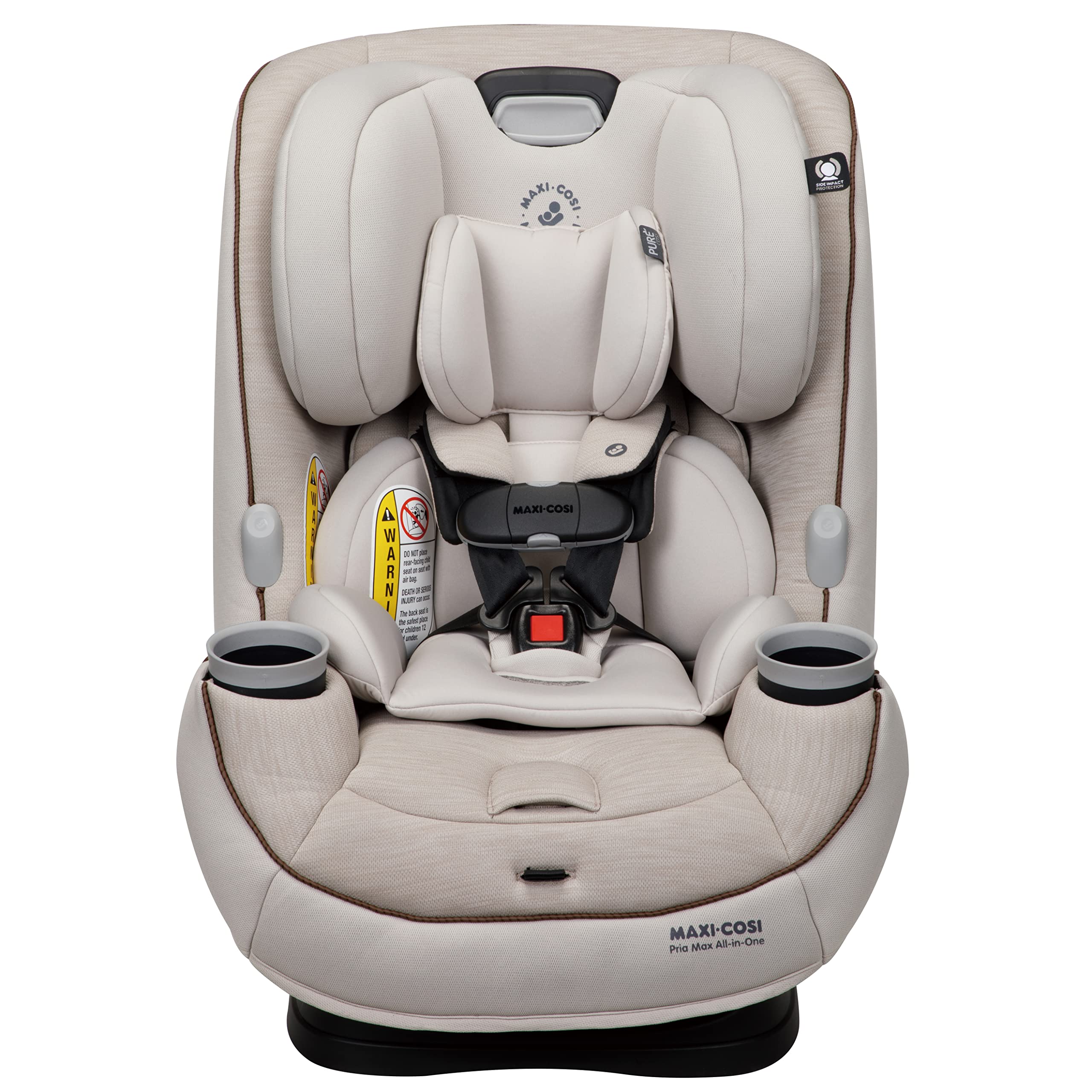
Streamlined safety shell engineered strictly for rear-facing and forward-facing 5-point harness protection.
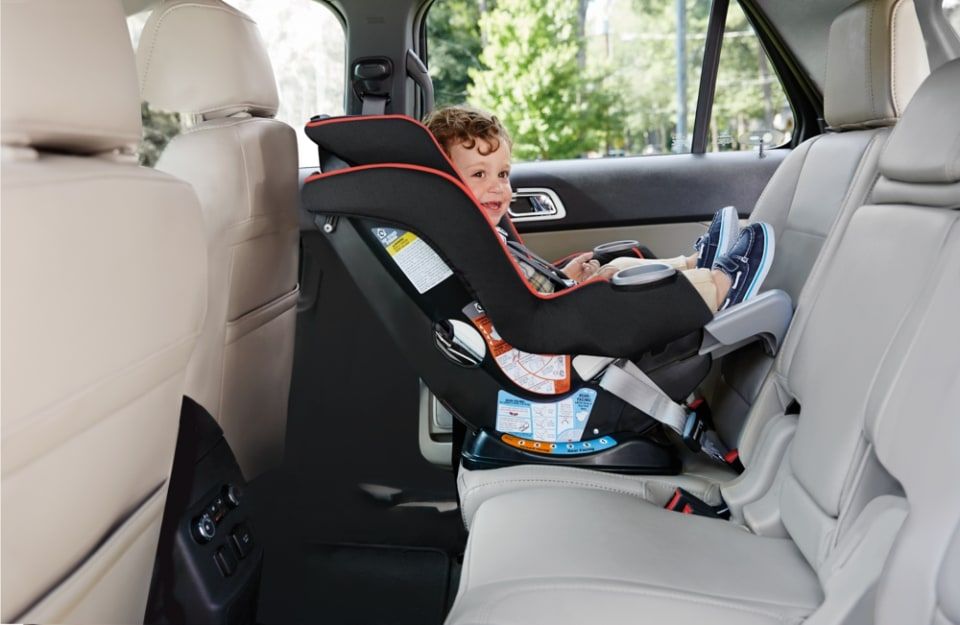
Choosing the right car seat is the most critical safety investment parents make. The primary choice for growing children is between an All-in-One (4-in-1) Car Seat and a Dedicated Convertible Car Seat. An All-in-One seat is engineered to transform through four distinct childhood stages: rear-facing infant, forward-facing 5-point harness, high-back belt-positioning booster, and backless booster—spanning from birth (4 lbs) up to 10 years old (120 lbs).
A dedicated convertible car seat focuses strictly on the two most critical early stages: rear-facing and forward-facing 5-point harness (typically 5 to 65 lbs). Because dedicated convertibles do not need to disassemble into booster seats, their internal steel frames and side-impact shells are optimized specifically for deep recline angles and compact front-to-back vehicle footprints. This allows parents to keep children in the safest rear-facing position up to 50 lbs without severely cramping front passenger legroom.
Both categories must pass rigorous Federal Motor Vehicle Safety Standards (FMVSS 213 and 213a side-impact testing). However, over a 10-year lifespan, all-in-one car seats endure a decade of juice spills, snack crumbs, and heavy daily wear, often requiring replacement fabric sets. Dedicated convertibles provide premium crash-absorption materials (such as aerated EPP foam and flame-retardant-free merino wool) in a tighter, rattle-free package, transitioning to an inexpensive dedicated booster seat when the child reaches school age.
Dedicated convertibles fit comfortably behind tall drivers without forcing knees into the dashboard.
All-in-one seats eliminate the need to purchase infant seats, convertibles, and boosters separately.
Convertibles with anti-rebound bars provide maximum safety for toddlers up to age 4+.
All-in-one seats easily adjust to fit grandchildren of widely varying ages and weights.
Both all-in-one and convertible car seats pass the same stringent Federal crash safety standards. If backseat space is tight and you want an agile, premium seat optimized for rear-facing comfort, buy a dedicated convertible. If you have a spacious vehicle and want a single 10-year investment, an all-in-one seat is an outstanding value.
In a frontal crash, a rear-facing car seat cradles the child’s head, neck, and spine, distributing crash forces evenly across the shell. Forward-facing toddlers experience intense cervical spine tension because their heads are disproportionately heavy relative to their neck muscles.
Explore related technical deep-dives and actionable buying guides.
