Comparing Tandem OLED and Mini-LED display panels on flagship tablets? We analyze full-screen nit brightness, 0-nit black floors, blooming halos, and drawing digitizer responsiveness.
Choose Tandem OLED for digital illustration, HDR video viewing, and ultra-thin portability with zero backlight halos. Choose Mini-LED if you work with static spreadsheets 10 hours a day and want high HDR brightness without burn-in concerns.
Both Tandem OLED Displays and Mini-LED LCD Displays are great options, but they work differently and offer distinct advantages.
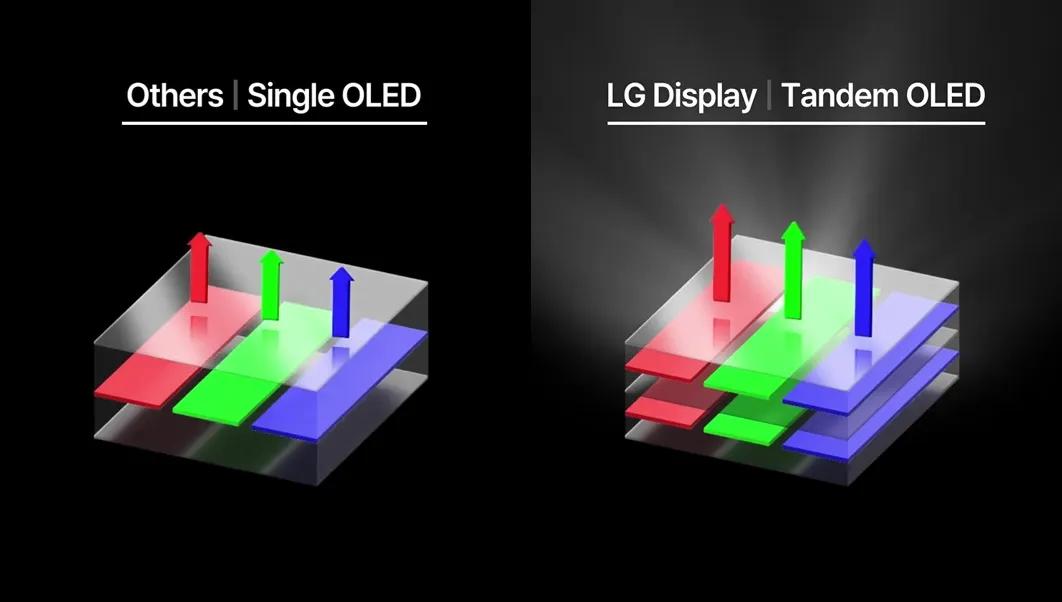
Two organic light-emitting layers stacked in series deliver 1,000 nits full-screen with per-pixel black floors.
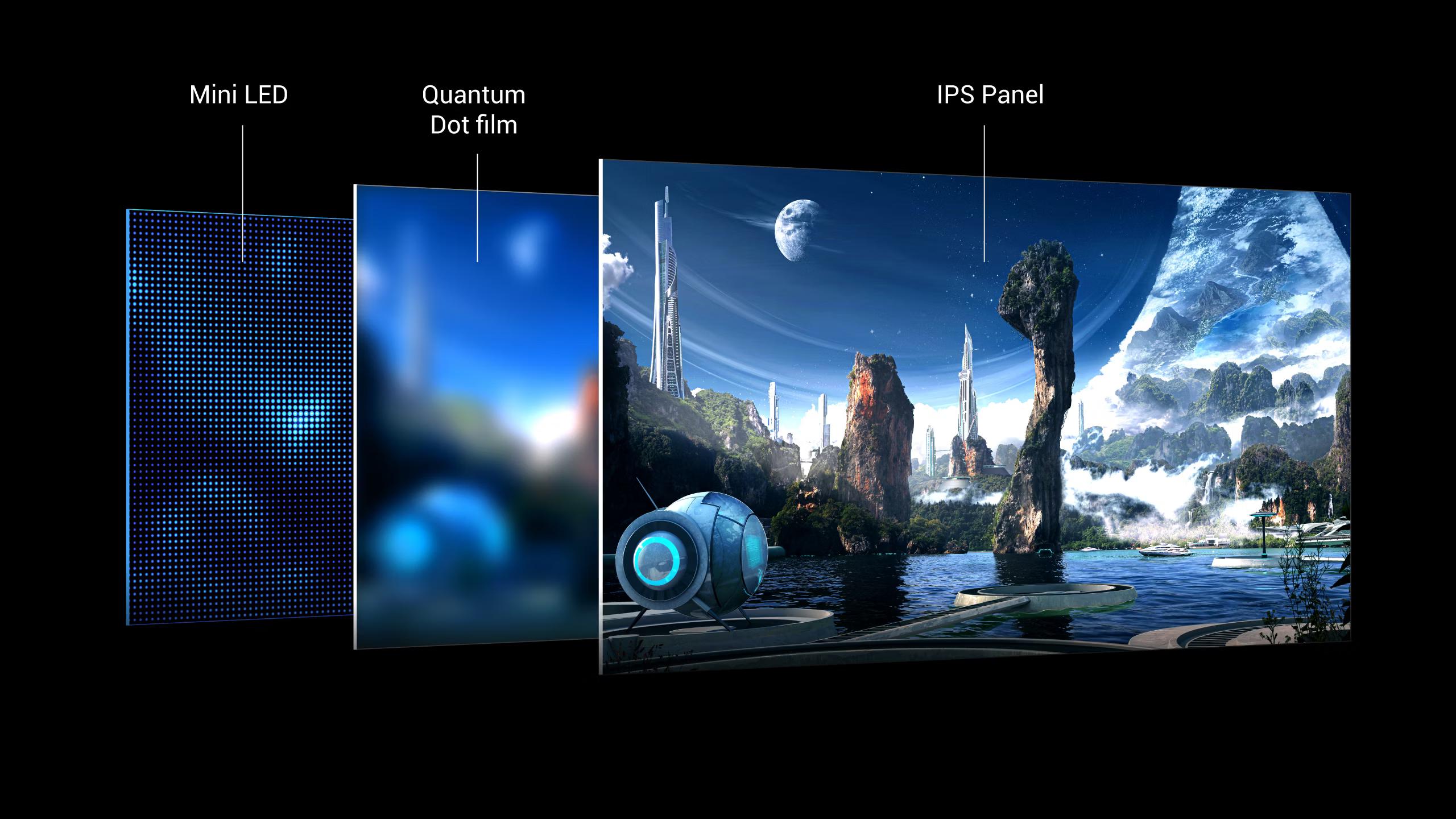
2,500+ micro-LED backlighting zones illuminating a high-refresh Liquid Crystal display layer.
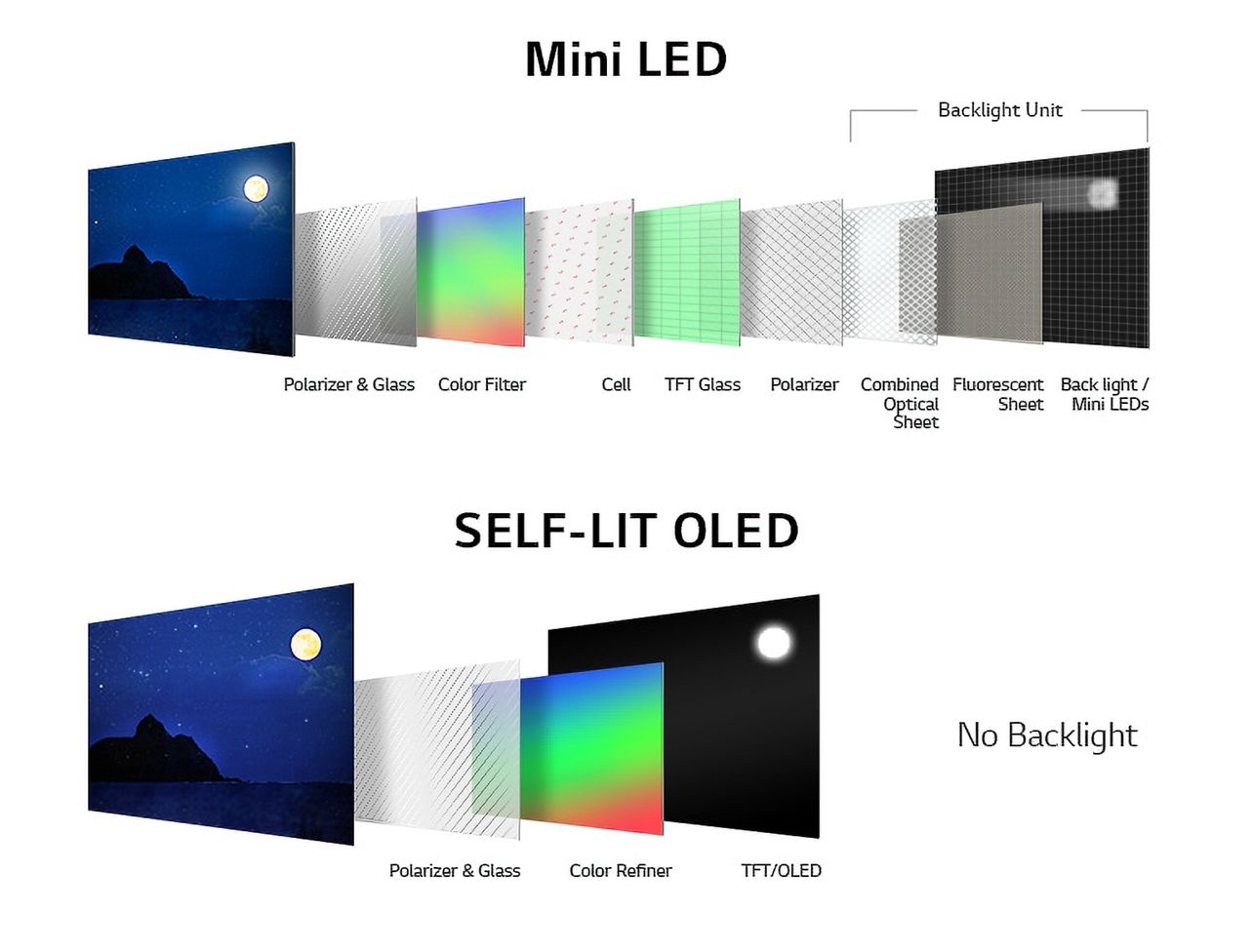
The display battle in flagship tablets (like the iPad Pro M4 and Galaxy Tab S9 Ultra) is between Tandem OLED and Mini-LED Liquid Retina XDR. Traditional OLED panels use a single emissive layer of organic light-emitting diodes, which limits full-screen brightness to prevent burn-in. Tandem OLED stacks two organic light-emitting layers in series, combining light output to achieve an astonishing 1,000 nits of full-screen sustained brightness and 1,600 nits peak HDR brightness with true 0.00-nit absolute blacks.
Mini-LED displays utilize thousands of microscopic LED diodes grouped into roughly 2,500 local dimming zones behind an LCD panel. While Mini-LED achieves impressive 1,600-nit HDR highlights, each dimming zone covers thousands of individual pixels. In high-contrast scenes—such as white subtitles or drawing lines on a black canvas—light bleeds across zone boundaries, creating visible "blooming" or haloing artifacts. Tandem OLED controls illumination per subpixel (over 5.6 million individual light zones), completely eliminating blooming.
Because Tandem OLED does not require a thick diffuser sheet or backlight layer, tablet chassis thickness drops to under 5.1mm. This thin glass stack reduces the physical gap between the active stylus nib (Apple Pencil Pro or S-Pen) and the digital ink, delivering near-zero parallax drawing precision. While Mini-LED remains immune to static image retention, Tandem OLED’s dual-stack architecture drastically reduces electrical strain per layer, providing exceptional multi-year longevity.
Tandem OLED eliminates parallax gap and blooming around dark-canvas brush strokes.
True infinite blacks and specular highlight pop deliver cinema-grade Dolby Vision playback.
Both panels excel, but Mini-LED offers zero image retention anxiety for static desktop windows.
1,000 nits full-screen brightness ensures effortless outdoor readability in direct sunlight.
Tandem OLED represents a quantum leap in mobile display engineering. By solving OLED’s historical brightness limitations with a dual-stack architecture while maintaining per-pixel black floors and zero blooming, it is the finest display technology ever put into a tablet.
Tandem OLED stacks two organic light-emitting layers on top of each other. By combining their light output, the display achieves double the brightness with lower electrical current per layer, doubling longevity and resisting burn-in.
Explore related technical deep-dives and actionable buying guides.
