Choosing between a MacBook and a Windows laptop? We analyze the core architectural differences between ARM-based Apple Silicon and x86 Intel Core Ultra / AMD Ryzen processors across sustained battery endurance, thermal throttling, and gaming software compatibility.
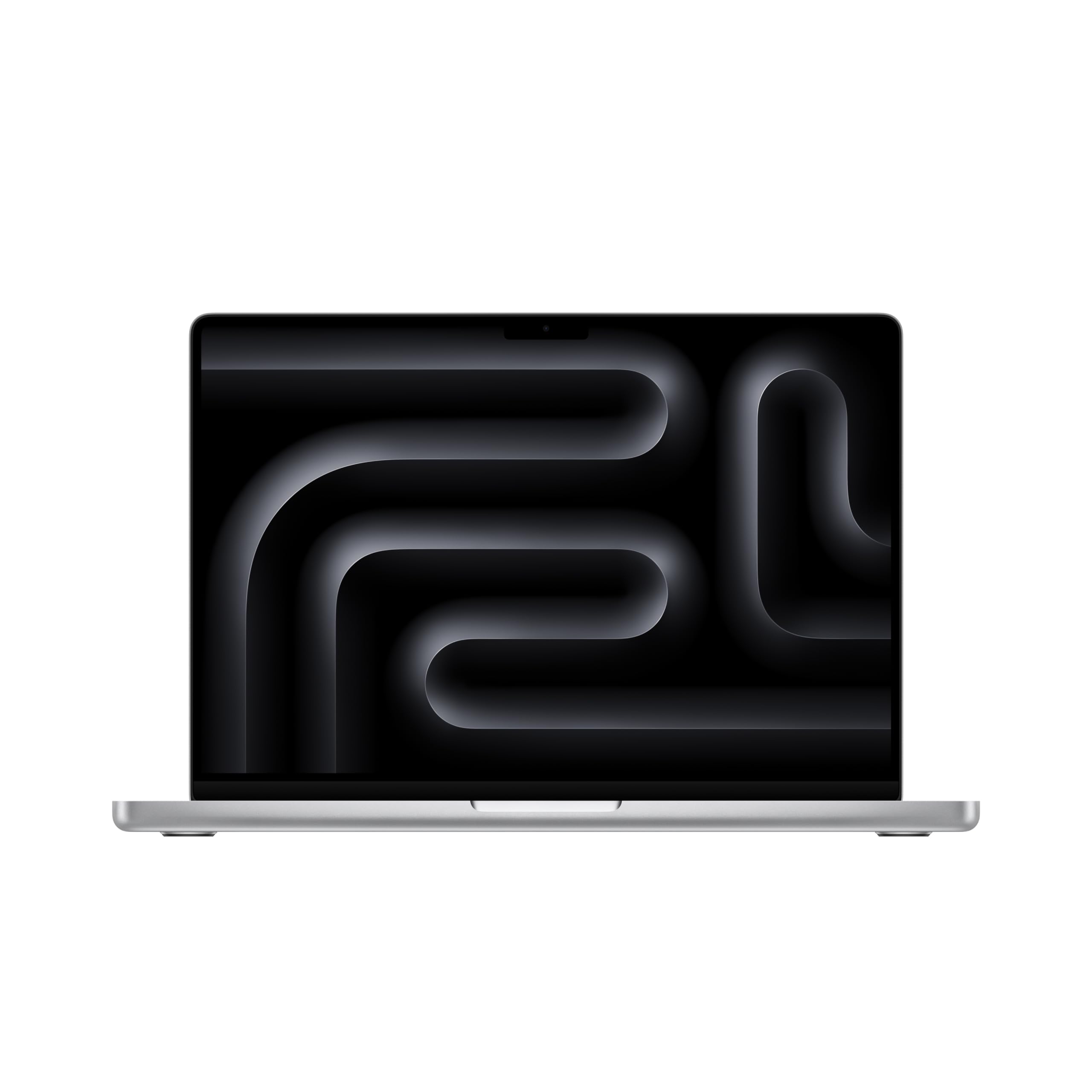
Choose Apple Silicon for unmatched battery life, silent operation, and creative video/photo production. Choose Intel or AMD Windows laptops for native PC gaming, specialized engineering tools, and modular business docking.
Both Apple Silicon (MacBook) and Intel & AMD (Windows) are great options, but they work differently and offer distinct advantages.
ARM-based monolithic System-on-Chip with unified memory and dedicated hardware media engines.
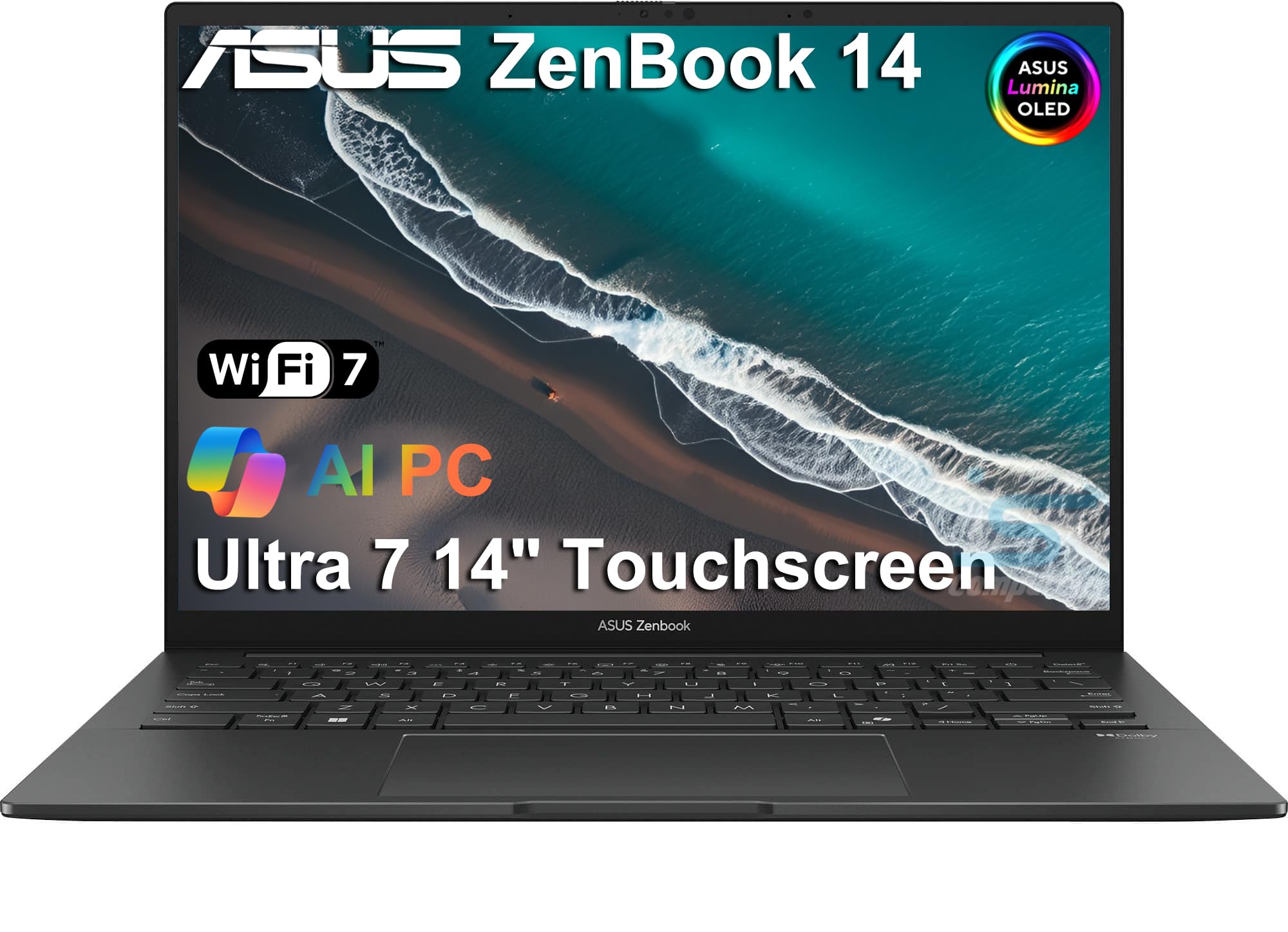
x86-64 processors paired with dedicated NPUs and modular discrete Nvidia/AMD graphics options.
The laptop computing market is defined by a fundamental architectural divide: Apple Silicon (built upon ARM Reduced Instruction Set Computing - RISC) and traditional Intel Core Ultra and AMD Ryzen processors (built upon x86-64 Complex Instruction Set Computing - CISC). While both architectures execute modern computing workloads with exceptional speed, their underlying silicon philosophies result in vastly different thermal characteristics, battery consumption rates, and software ecosystems.
Apple Silicon integrates the multi-core CPU, high-count GPU cores, 16-core Neural Engine, and Secure Enclave directly onto a single monolithic System-on-Chip (SoC). The crown jewel of this design is Unified Memory Architecture (UMA). Instead of copying data back and forth across separate system RAM and dedicated GPU VRAM buses, the CPU, GPU, and AI co-processors access one single pool of high-speed memory with bandwidth exceeding 150 to 300+ GB/s. This allows 4K video rendering and large language model (LLM) processing with virtually zero memory latency. In contrast, standard Intel and AMD laptops use traditional dual-channel DDR5/LPDDR5X buses, which offer modular upgradability on certain models but higher internal interconnect latency.
Because ARM instructions are inherently streamlined, Apple Silicon achieves industry-leading performance-per-watt metrics. Flagship MacBook Air and MacBook Pro models draw a fraction of the electrical wattage required by comparable x86 chips under load. This allows Apple laptops to operate completely fanless and silent in everyday tasks while sustaining 18 to 22 hours of continuous real-world web browsing on battery. While modern Intel Core Ultra (Lunar Lake / Arrow Lake) and AMD Ryzen AI processors have narrowed the battery gap significantly using advanced 3nm and 4nm nodes, demanding x86 workloads still require active dual-fan cooling to prevent aggressive thermal throttling.
Your choice of platform dictates software compatibility. Intel and AMD Windows laptops dominate PC gaming, offering native support for DirectX 12 Ultimate, Vulkan, Steam libraries, and kernel-level anti-cheat engines (such as Riot Vanguard and Easy Anti-Cheat). They also provide seamless corporate enterprise software support, native multi-monitor MST docking stations, and CAD engineering suites. Apple Silicon counters with dedicated hardware-accelerated Media Engines (supporting ProRes, AV1, H.264, and HEVC encode/decode), making MacBooks the undisputed favorite for video editors, music producers, and iOS/macOS software developers.
Apple Silicon MacBooks provide all-day battery life, allowing you to work through 8 hours of classes and coffee shop sessions without carrying a charger.
Intel and AMD Windows notebooks with discrete RTX GPUs provide native support for high-refresh gaming, Discord overlays, and anti-cheat multiplayer titles.
Hardware-accelerated ProRes media engines scrub multiple 4K/8K camera streams smoothly in Final Cut Pro and DaVinci Resolve without stutter.
Windows x86 laptops integrate natively with Microsoft Active Directory, specialized engineering CAD tools, and triple-monitor desktop docks.
If your priorities are 20-hour battery life, silent operation, class-leading build quality, and creative video/photo editing, Apple Silicon MacBooks are the undisputed gold standard. If you rely on native PC gaming, specialized engineering or corporate Windows software, or need multi-monitor desk docking, Intel Core Ultra and AMD Ryzen laptops remain the most versatile platform.
While translation tools like Apple's Game Porting Toolkit, CrossOver, and Parallels Desktop can run many DirectX games, major multiplayer titles with kernel-level anti-cheat software (such as Valorant, Fortnite, Call of Duty, and Apex Legends) will not run on macOS. For dedicated PC gaming, Intel or AMD Windows laptops with Nvidia GeForce RTX graphics remain mandatory.
Explore related technical deep-dives and actionable buying guides.
