Shopping for cordless drills, impact drivers, or circular saws? We break down the electro-mechanical differences between brushless and brushed motors, runtime efficiency, maintenance costs, and torque performance.
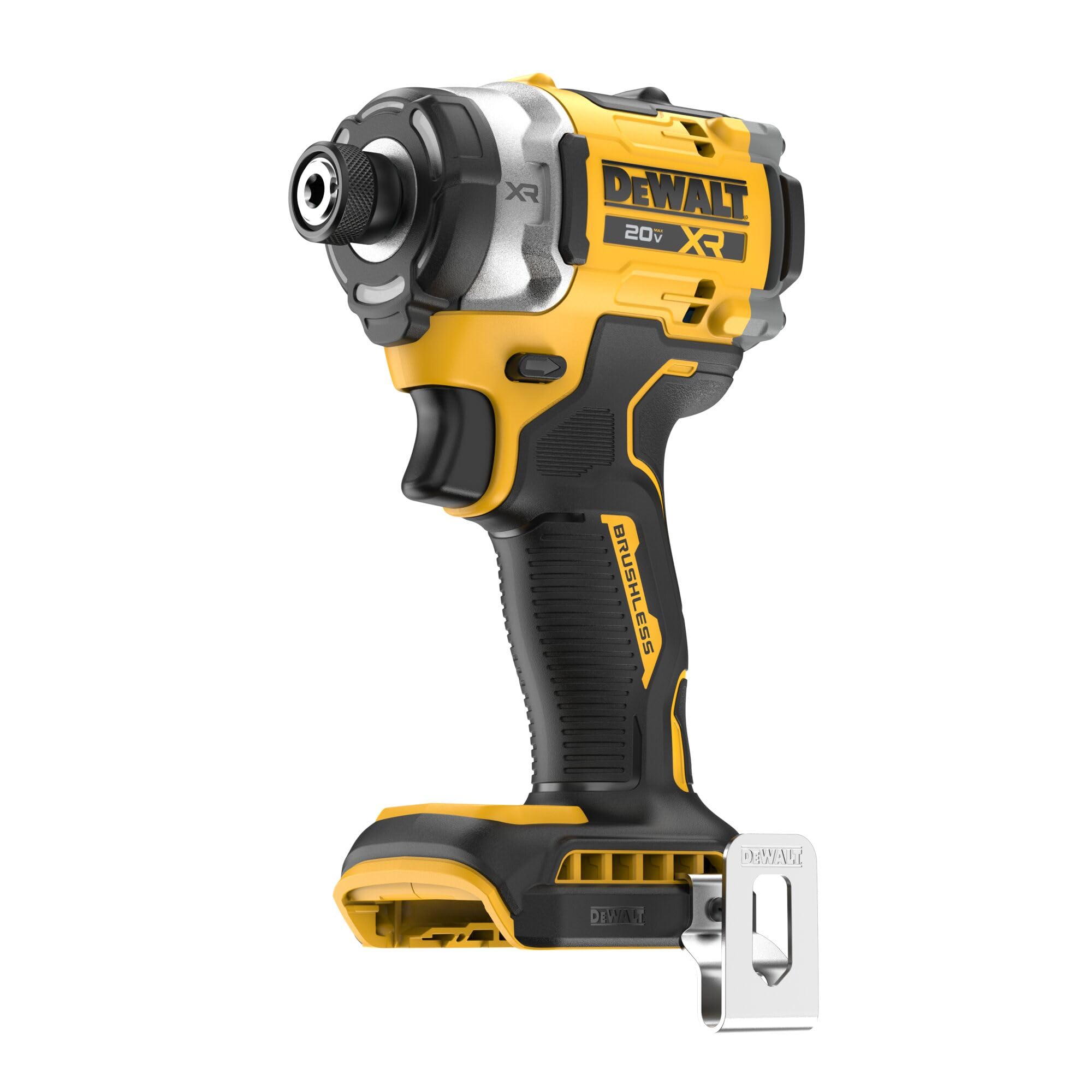
Choose Brushless motors for long-term DIY projects, deck building, automotive work, and daily contractor tasks. Opt for Brushed tools only if you need an inexpensive starter drill for occasional light picture hanging.
Both Brushless Motors and Brushed Motors are great options, but they work differently and offer distinct advantages.
Microprocessor-controlled electromagnetic fields with zero physical friction points or sparking.
Spring-loaded carbon brushes maintain physical sliding contact with a rotating copper commutator.
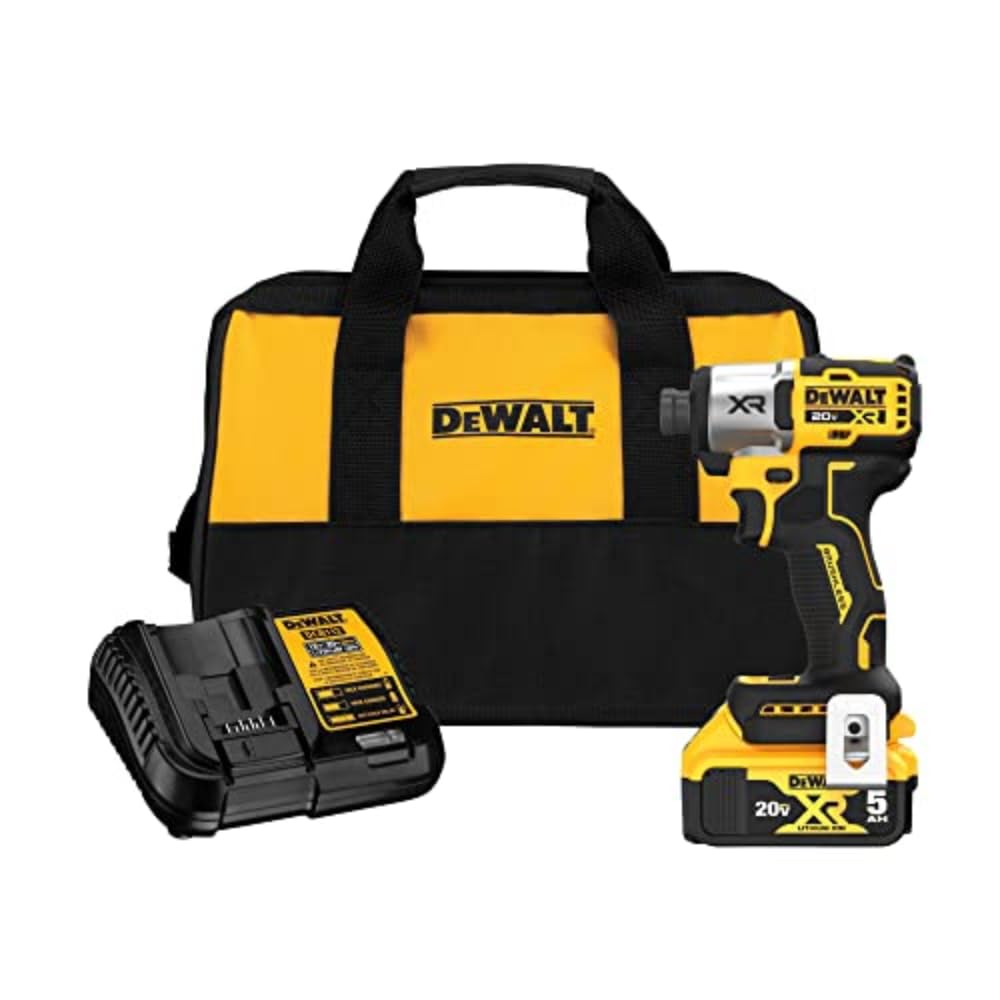
When selecting cordless power tools (such as drill drivers, impact drivers, rotary hammers, and angle grinders), the most consequential engineering choice is between Brushless (BL) and traditional Brushed motor architectures. Brushed electric motors have powered industrial equipment since the late 19th century, relying on mechanical spring-loaded carbon brushes pressing against a rotating copper commutator. In contrast, modern brushless motors eliminate physical mechanical contacts entirely, utilizing an integrated digital microprocessor board and electronic inverter circuitry to sequence electromagnetic fields around permanent rare-earth neodymium magnets.
The fundamental operational advantage of brushless motor design lies in thermodynamic efficiency. In a brushed tool, constant physical friction between the stationary carbon blocks and spinning commutator rings generates intense parasitic heat, mechanical drag, and visible electrical sparks inside the tool casing. This frictional resistance wastes approximately 20% to 30% of battery power as lost heat. Brushless motors run virtually friction-free, translating over 85% to 90% of battery electrical energy directly into rotational torque. As a result, brushless power tools deliver up to 50% more runtime per battery charge and run substantially cooler under sustained high-load drilling.
Because brushless tools are managed by an onboard microcontroller, they feature closed-loop digital feedback. The tool continuously measures physical resistance at the chuck. When driving a small drywall screw into soft pine, the computer draws only the minimal wattage required, conserving battery reserves. When sinking a 6-inch structural lag bolt into dense pressure-treated timber, the microchip detects the increased resistance and dynamically ramps up battery current to sustain target RPMs without stalling. Brushed tools lack this digital brain; they draw full power constantly regardless of resistance, leading to battery waste and premature motor bogging.
If you are a professional contractor, woodworker, or dedicated homeowner undertaking extensive structural renovations, investing in brushless tools is essential. A brushless motor lasts up to 5 to 10 times longer because there are no carbon brushes to wear down, seize, or burn out. However, if your tool usage is strictly limited to hanging picture frames, assembling IKEA flat-pack furniture twice a year, or occasional light wall anchors, an inexpensive brushed tool kit provides adequate drilling capability while keeping initial upfront costs low.
Brushless drills and impact drivers withstand 8-hour daily jobsite punishment without overheating or requiring midday brush replacements.
Driving hundreds of 3-inch structural screws on a single battery charge without thermal throttling saves precious time and battery swap cycles.
Brushed drill kits offer exceptional value for hanging curtain rods, mounting TVs, and occasional furniture assembly without spending extra.
The compact 5-inch head length of brushless impact drivers lets you drive fasteners inside cramped kitchen cabinets and vehicle wheel wells.
If you use your power tools regularly for home renovations, woodworking, or commercial trade work, brushless motor technology is undeniably worth the 20% to 30% price premium through massive battery savings, shorter tool dimensions, and a 10-year maintenance-free lifespan. If your tool sits in a closet for 360 days a year, a brushed drill kit will handle all your basic household needs at half the price.
Yes. The physical carbon brushes maintain spring-loaded contact against the rotating commutator, wearing down from constant friction over 50 to 100 hours of heavy operation. When brushes wear thin, the tool begins sparking heavily, losing power, or refusing to start until the brushes are manually replaced.
Explore related technical deep-dives and actionable buying guides.
