Deciding between an Apple/Wear OS smartwatch and a dedicated Garmin GPS watch? We compare multi-band GNSS satellite tracking, battery endurance, and biometric sensor precision.
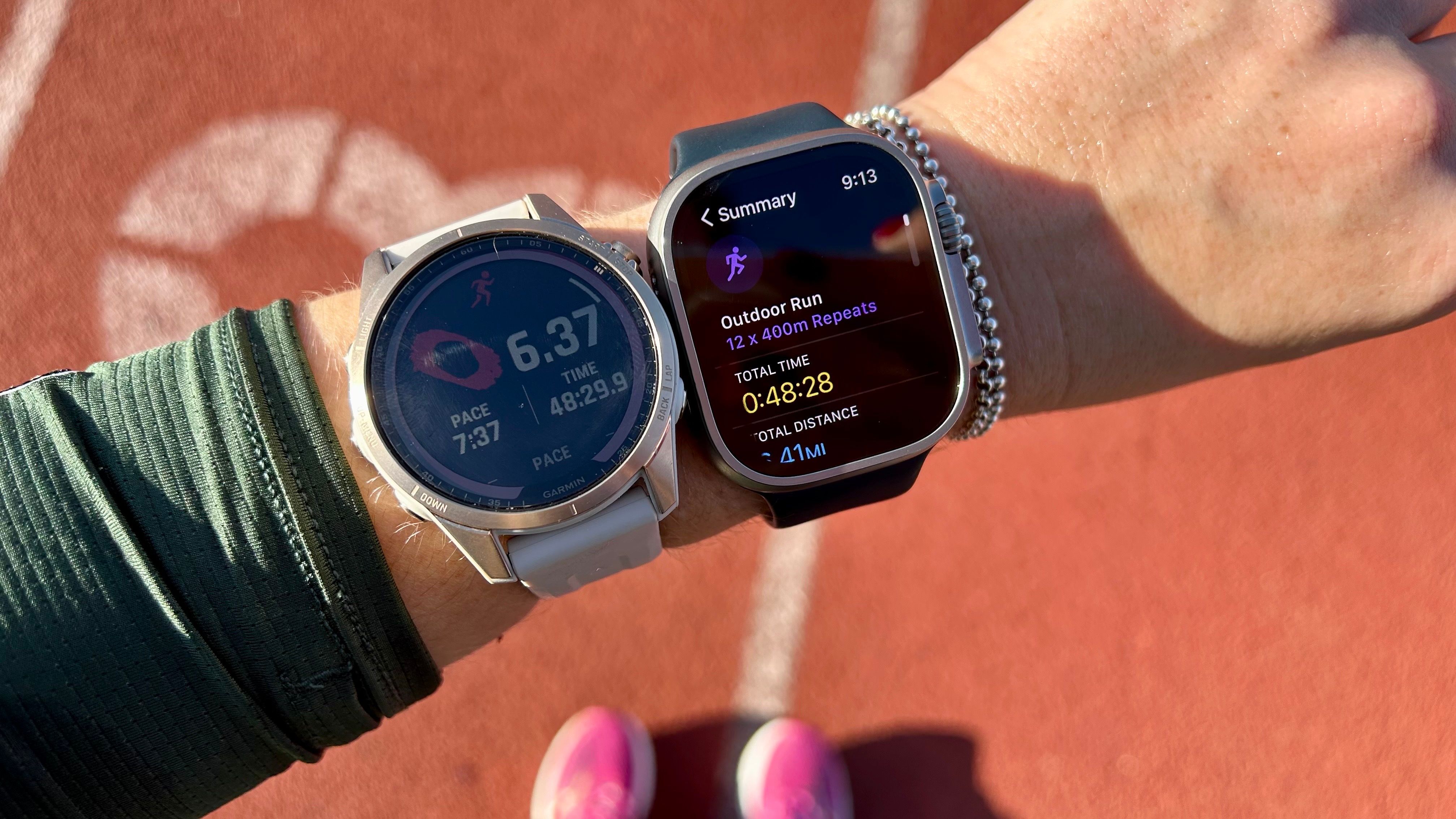
Choose a smartwatch for seamless daily productivity, notifications, and casual lifestyle health monitoring. Choose a dedicated GPS watch if you train for marathons, triathlons, or trail ultras and prioritize battery endurance over voice assistants.
Both Full-OS Smartwatches and Dedicated GPS Fitness Watches are great options, but they work differently and offer distinct advantages.
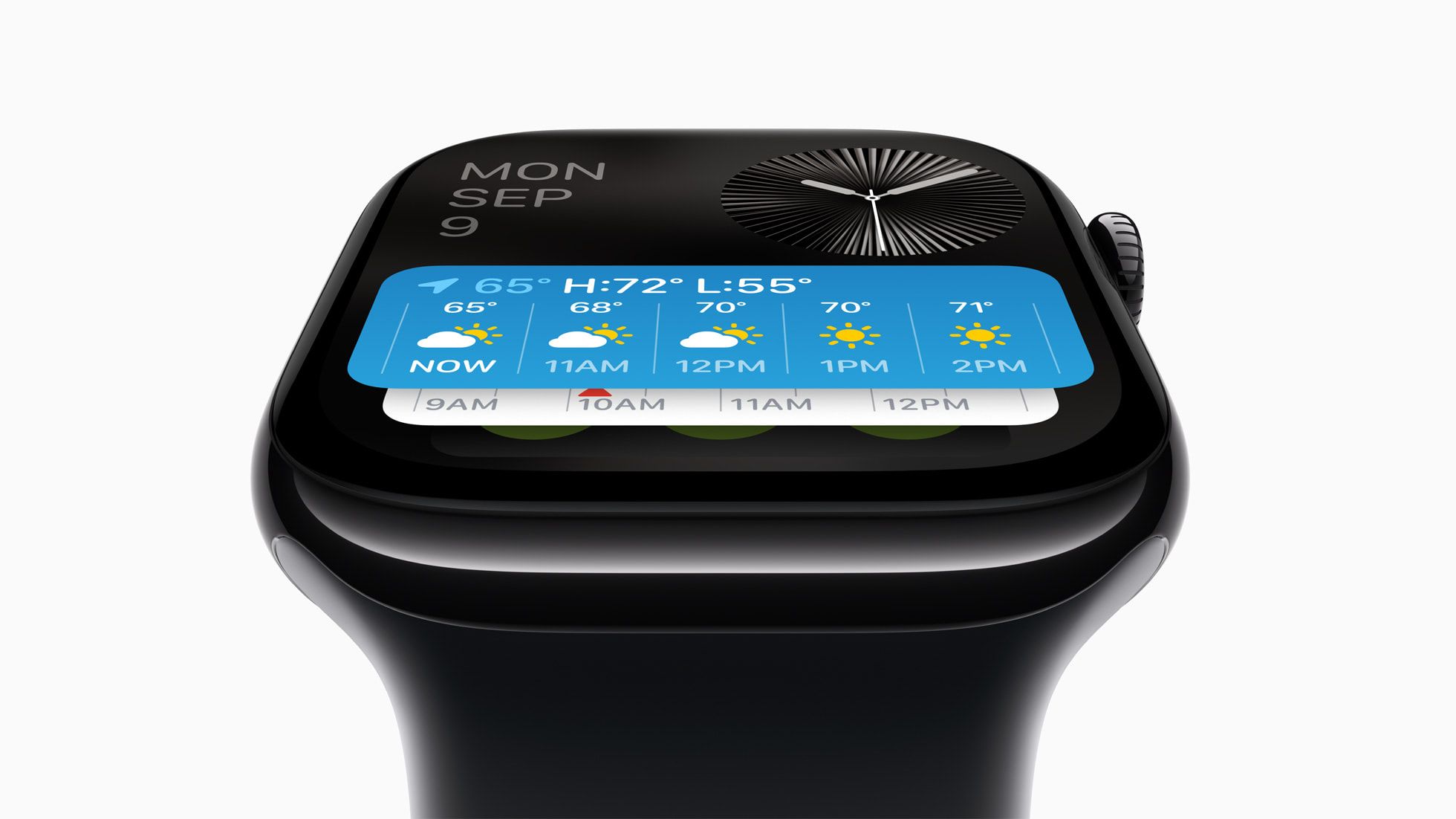
High-power processors running watchOS or Wear OS with cellular connectivity and rich app stores.
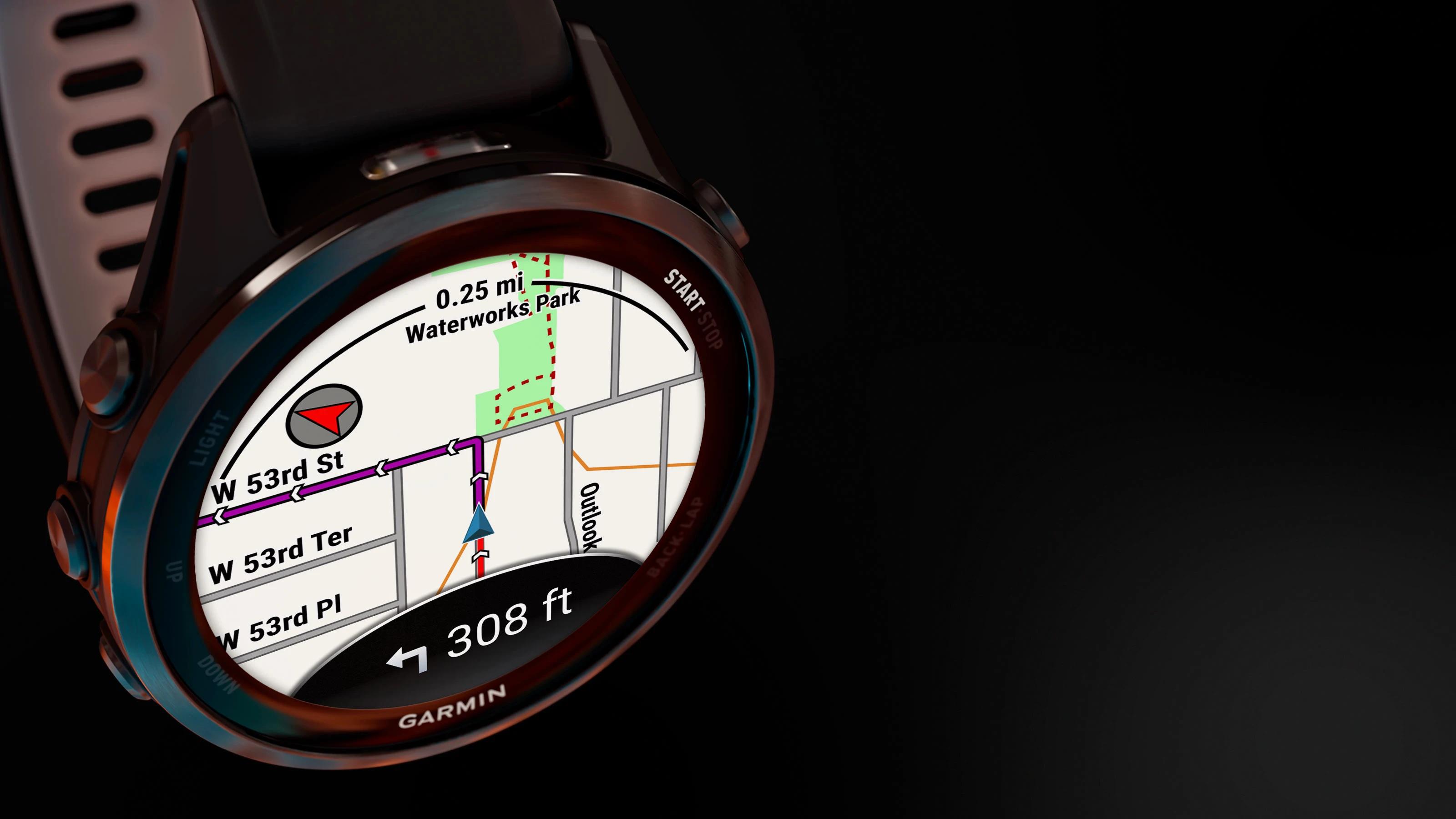
Low-power microcontrollers engineered for multi-band satellite tracking and advanced recovery analytics.
When choosing wrist-worn technology, the primary division is between Full-OS Smartwatches (like Apple Watch and Samsung Galaxy Watch) and Dedicated GPS Fitness Watches (such as Garmin Forerunner, Fenix, and Coros). Full-OS smartwatches are designed as comprehensive extensions of your smartphone. Powered by high-speed dual/quad-core processors and brilliant 60Hz LTPO OLED touchscreens, they handle interactive app ecosystems, rich voice messaging, cellular phone calls, turn-by-turn walking maps, and contactless NFC payments with fluid desktop-like animations.
The fundamental trade-off for brilliant OLED interfaces and active background cellular modems is battery life. Most full-OS smartwatches require daily charging (18 to 36 hours of real-world use). Dedicated fitness watches, by contrast, utilize ultra-low-power microcontrollers paired with sunlight-visible Memory-in-Pixel (MIP) or optimized AMOLED displays. This enables continuous 24/7 heart rate monitoring, advanced HRV sleep tracking, and continuous multi-band GPS workout tracking for 10 to 30 days on a single charge.
For runners, cyclists, and outdoor adventurers, dedicated fitness watches prioritize performance telemetry over digital distractions. They feature dual-frequency (L1+L5) satellite positioning that eliminates satellite reflection errors in dense city high-rises and deep tree canopies. Furthermore, their software algorithms generate actionable athletic metrics—such as Training Readiness, Lactate Threshold, Running Power, and Recovery Hours—without requiring third-party subscription apps.
Smartwatches let you manage calendar events, Slack notifications, and phone calls right from your wrist.
GPS fitness watches provide custom workout pacing, route navigation, and weeks of battery.
Smartwatches track daily steps, active calorie burn, sleep stages, and irregular heart rhythms.
Dedicated GPS watches offer offline topo mapping, barometric altimeters, and solar charging.
If you want a versatile wrist computer that replaces pulling your phone out of your pocket for notifications, payments, and casual workouts, get a smartwatch. If you are serious about athletic training, marathon pacing, and never having to pack a charger on weekend trips, a dedicated GPS fitness watch is the clear winner.
Standard single-band GPS (L1) signals bounce off tall skyscrapers, canyon walls, and dense tree leaves, creating distorted tracking lines and inaccurate pacing. Dual-frequency (L1+L5) receivers combine two distinct radio frequencies to filter out multipath signal reflections, yielding razor-sharp tracking precision.
Explore related technical deep-dives and actionable buying guides.
