Curious about the next quantum leap in battery technology? We analyze the chemical differences between solid-state electrolyte batteries and traditional liquid lithium-ion packs across thermal safety, gravimetric energy density, and cycle degradation.
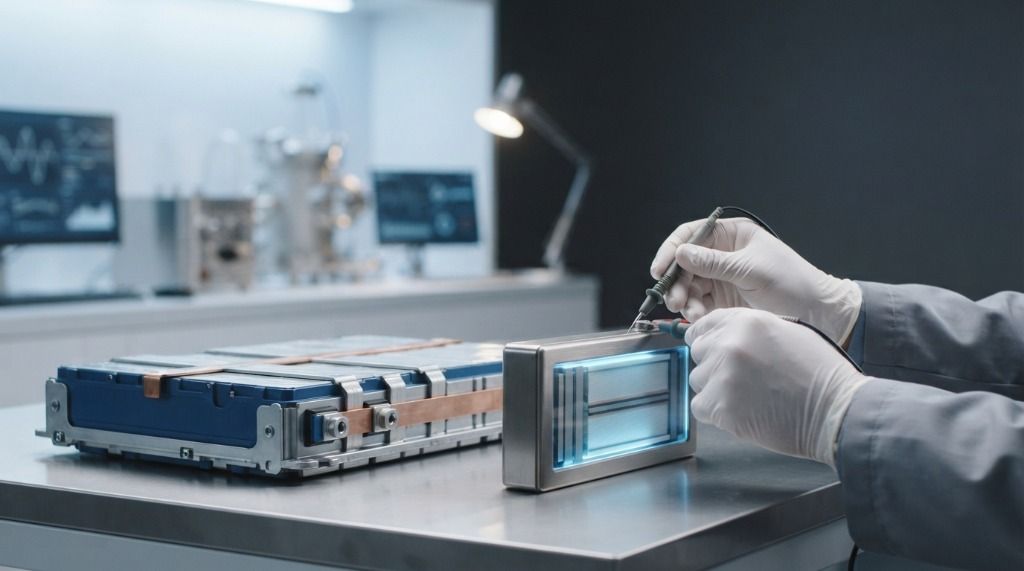
Expect semi-solid and solid-state battery technology in premium flagship laptops and drones first, while continuing to rely on proven, cost-effective lithium-ion packs for everyday electronics.
Both Solid-State Batteries and Liquid Lithium-Ion are great options, but they work differently and offer distinct advantages.
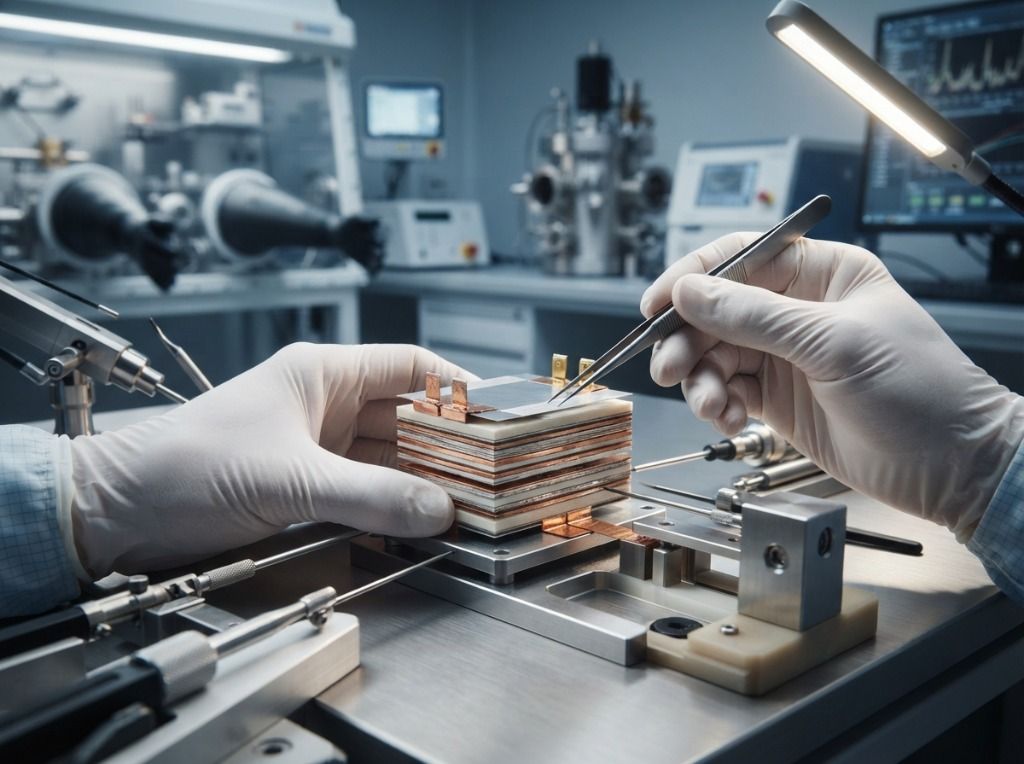
Solid ceramic or polymer electrolyte matrix paired with pure lithium metal anodes.
Liquid carbonate solvent electrolyte shuttling ions between graphite anodes and metal cathodes.
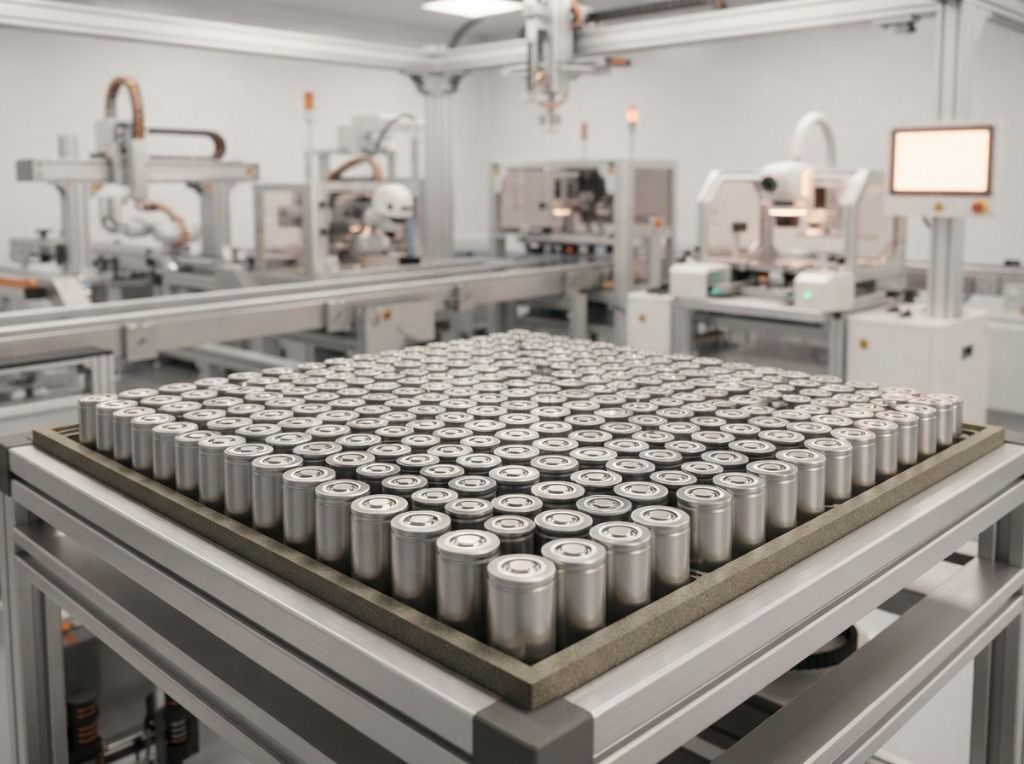
The global electronics and electric vehicle industries are on the precipice of a monumental battery chemistry revolution: transitioning from conventional Liquid Lithium-Ion (Li-ion) cells to next-generation Solid-State Batteries (SSB). Traditional lithium-ion batteries utilize a porous plastic separator soaked in an organic liquid carbonate electrolyte to transport lithium ions between the graphite/silicon anode and metal oxide cathode. While effective, liquid electrolytes are inherently volatile and flammable under extreme temperatures, physical puncture, or overcharging. Solid-state architecture completely replaces the liquid solvent with a dense, non-flammable solid ceramic, polymer, or sulfide-based electrolyte matrix, eliminating thermal runaway risks at the molecular level.
The primary performance benefit of solid-state chemistry is its dramatic leap in energy density. Because solid electrolytes are structurally rigid, they prevent the formation of metallic lithium "dendrites"—microscopic needle-like crystal filaments that can penetrate soft liquid separators and cause catastrophic short-circuits. This structural integrity unlocks pure lithium metal anodes, driving gravimetric energy density to 400–500 Wh/kg (and volumetric density past 800–1000 Wh/L). Compared to mature liquid lithium-ion cells capped at 200–260 Wh/kg (300–450 Wh/L), solid-state cells can double device battery runtimes in the exact same physical chassis volume, or cut battery thickness in half for ultrabook laptops and smart rings.
Modern lithium-ion batteries degrade gradually, typically retaining only 80% of their initial capacity after 500 to 1,000 full charge cycles due to cathode cracking and Solid Electrolyte Interphase (SEI) growth. Solid-state cells exhibit extraordinary cycle stability, laboratory tested to withstand 3,000 to 5,000+ continuous fast-charge cycles before noticeable degradation. Furthermore, because solid electrolytes dissipate heat uniformly without localized boiling risks, solid-state cells can sustain high-current DC fast charging from 10% to 80% in under 12 to 15 minutes with minimal thermal stress.
In 2026, the market is adopting *Semi-Solid-State* (solid-liquid hybrid) cells as a bridge technology. Semi-solid cells incorporate a solid ceramic separator matrix with minimal gel electrolyte, allowing manufacturers to scale production quickly for flagship laptops, high-performance drones, and electric vehicles. While true all-solid-state cells carry a manufacturing price premium today, proven liquid lithium-ion and lithium-iron-phosphate (LiFePO4) chemistries remain the most economical and reliable power source for mainstream consumer smartphones, power banks, and portable power stations.
Solid-state cell architectures allow ultra-thin laptop and ring chassis to maintain multi-day battery runtimes without adding physical bulk.
Solid electrolyte matrices tolerate high-current DC fast charging with minimal dendrite formation and zero boiling electrolyte risks.
Proven liquid lithium-ion chemistry remains the most cost-effective and reliable choice for smartphones, earbuds, and portable power banks.
Lightweight 500 Wh/kg solid-state batteries double flight times for commercial inspection and camera drones.
Solid-state and semi-solid battery technologies represent the future of energy storage, delivering double the energy density, 15-minute safe fast charging, and a 10-year cycle lifespan. While solid-state scales across premium flagship laptops and drones, mature liquid lithium-ion will continue to serve as the dependable value backbone of mainstream electronics.
Semi-solid-state hybrid batteries (combining solid ceramic separators with trace gel electrolytes) are currently shipping in select flagship laptops, high-end camera drones, and automotive pilot fleets. True all-solid-state batteries remain in pilot manufacturing and are expected to reach high-volume consumer gadgets over the next two to three years.
Explore related technical deep-dives and actionable buying guides.
