Struggling with compulsive smartphone screen time and algorithmic doomscrolling? We compare the psychological effectiveness of dedicated minimalist dumb phones against software screen blockers, grayscale modes, and minimalist launchers.
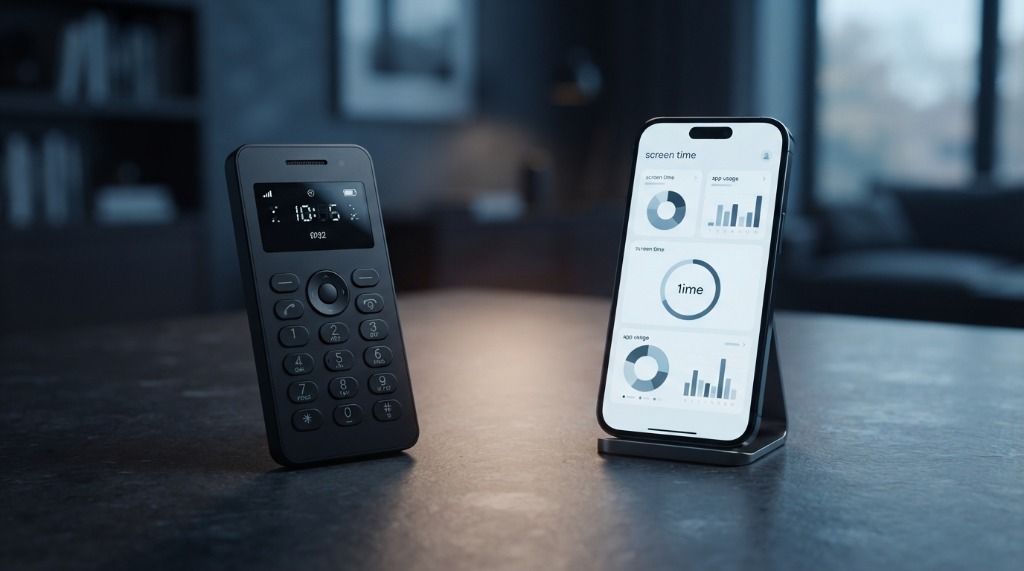
Start with free screen time blockers and grayscale mode on your current smartphone. If you continually bypass software limits, invest in a dedicated minimalist phone for true digital freedom.
Both Minimalist Dumb Phones and Screen Detox Software Apps are great options, but they work differently and offer distinct advantages.
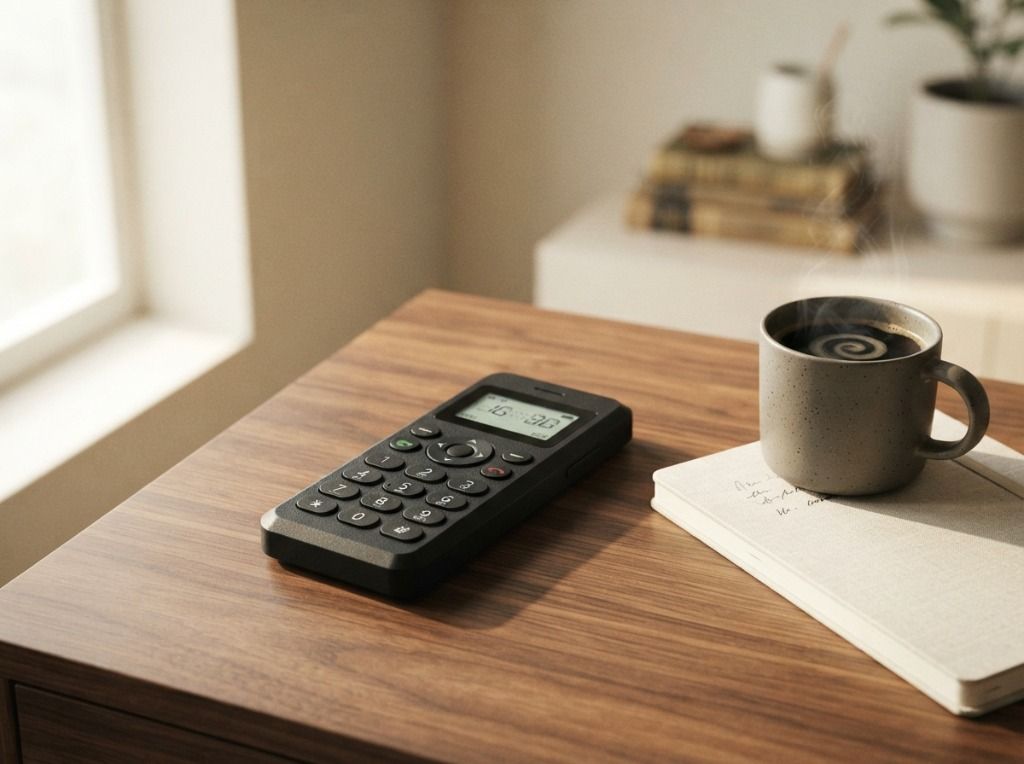
Physical devices built without browsers, social feeds, or addictive algorithmic app stores.
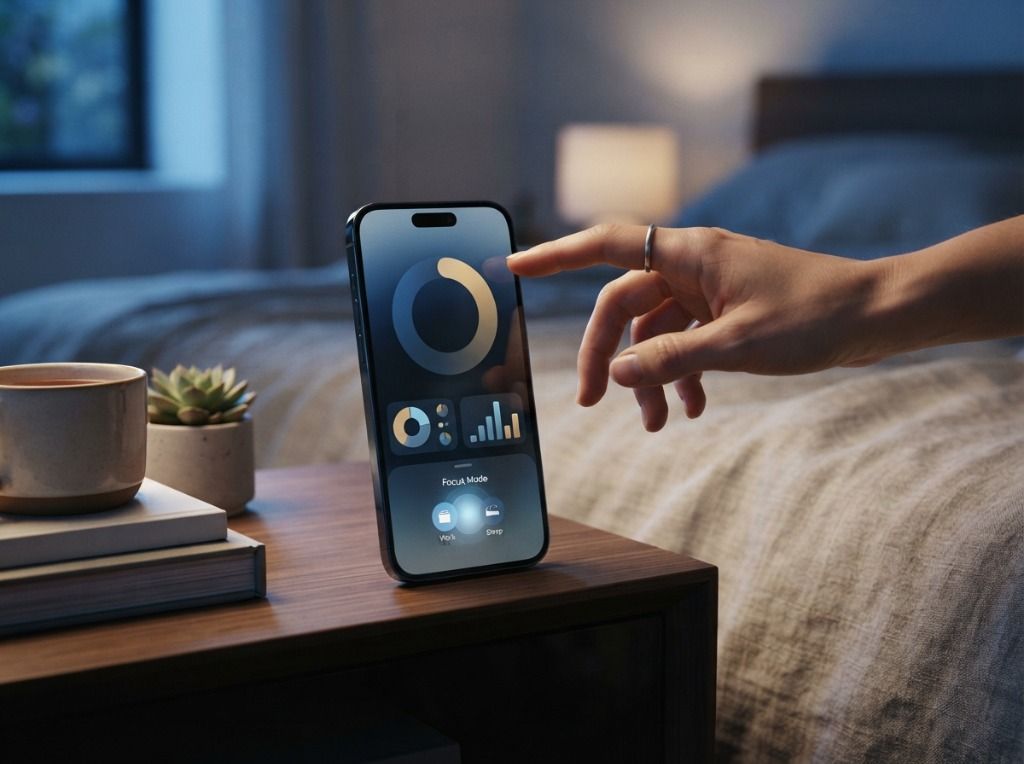
Software blockers, grayscale color filters, and minimalist home screen launchers for existing smartphones.
The modern digital wellness movement is grounded in cognitive psychology. As infinite-scroll algorithms, push notifications, and short-form video feeds capture 4 to 7 hours of daily attention, consumers face a fundamental strategic decision: deploy a dedicated Physical Minimalist Dumb Phone (such as the Light Phone III, The Boring Phone, or classic Nokia KaiOS handsets) or attempt to restrain an existing iOS/Android smartphone using Screen Detox Software Utilities (like Opal, One Sec, Freedom, or minimalist text-based launchers).
Behavioral economists emphasize that human willpower is a finite cognitive resource that depletes rapidly throughout the day. Software detox applications attempt to modify behavior on a device engineered from the silicon up to maximize engagement. While app blockers introduce temporary 15-second breathing delays or password prompts, the user remains one biometric FaceID scan away from disabling the restrictions during moments of late-night boredom or stress. Dedicated minimalist phones enforce a permanent *Physical Friction Barrier*: there is no web browser, no infinite feed, no video decoder, and no algorithmic recommendation engine installed on the device. When you reach for your pocket, the loop is broken instantly.
Where minimalist dumb phones present friction is in daily municipal logistics. Modern society increasingly relies on smartphone infrastructure: QR code parking meters, mobile airline boarding passes, two-factor authenticator apps (2FA), mobile banking, and Uber/Lyft ridesharing. Transitioning to a pure basic phone often requires carrying a secondary authenticator token, keeping a physical debit card on hand, or relying on "smart dumb phones" (like the Boring Phone or Cat S22 Flip) that run a stripped-down, monochrome Android OS permitting essential utility apps while blocking social feeds.
If you are exploring digital minimalism for the first time, start with zero financial investment by turning your existing smartphone screen to Grayscale mode (Color Filters) and installing an aggressive ScreenTime blocker app. If you find yourself consistently bypassing software restrictions within two weeks, upgrading to a dedicated minimalist dumb phone as your primary daily driver or weekend companion provides the only foolproof, permanent escape from screen addiction.
Minimalist dumb phones permanently break compulsive phone-checking loops by physically eliminating feeds, browsers, and app stores.
Detox apps allow you to lock entertainment feeds during the 9-to-5 workday while keeping corporate Slack, Microsoft Teams, and authenticators accessible.
Swapping your SIM card into a Light Phone on Friday evening lets you stay reachable for family emergencies while being 100% present all weekend.
Combining grayscale display filters with free ScreenTime limits provides a zero-cost initial test of your digital discipline.
If you need access to mobile banking, ridesharing, and work communication tools, software detox apps and minimalist launchers are the logical first step. However, if you find yourself constantly bypassing screen limits and crave true cognitive peace of mind, investing in a dedicated minimalist dumb phone creates an unbreachable hardware boundary that permanently restores your real-world presence.
Pure minimalist phones like the Light Phone III include a custom turn-by-turn navigation tool, but cannot run Uber or Lyft natively. If you need ridesharing access without social feeds, consider a hybrid minimalist phone (like the Boring Phone or Qin F21 Pro) which runs essential transit apps on a locked-down, distraction-free monochrome interface.
Explore related technical deep-dives and actionable buying guides.
