Choosing between a bucket-seat gaming chair and an ergonomic mesh office chair? We compare lumbar lordosis support, 4D armrest articulation, synchro-tilt recline mechanisms, PU leather thermal retention, and long-term spinal health.
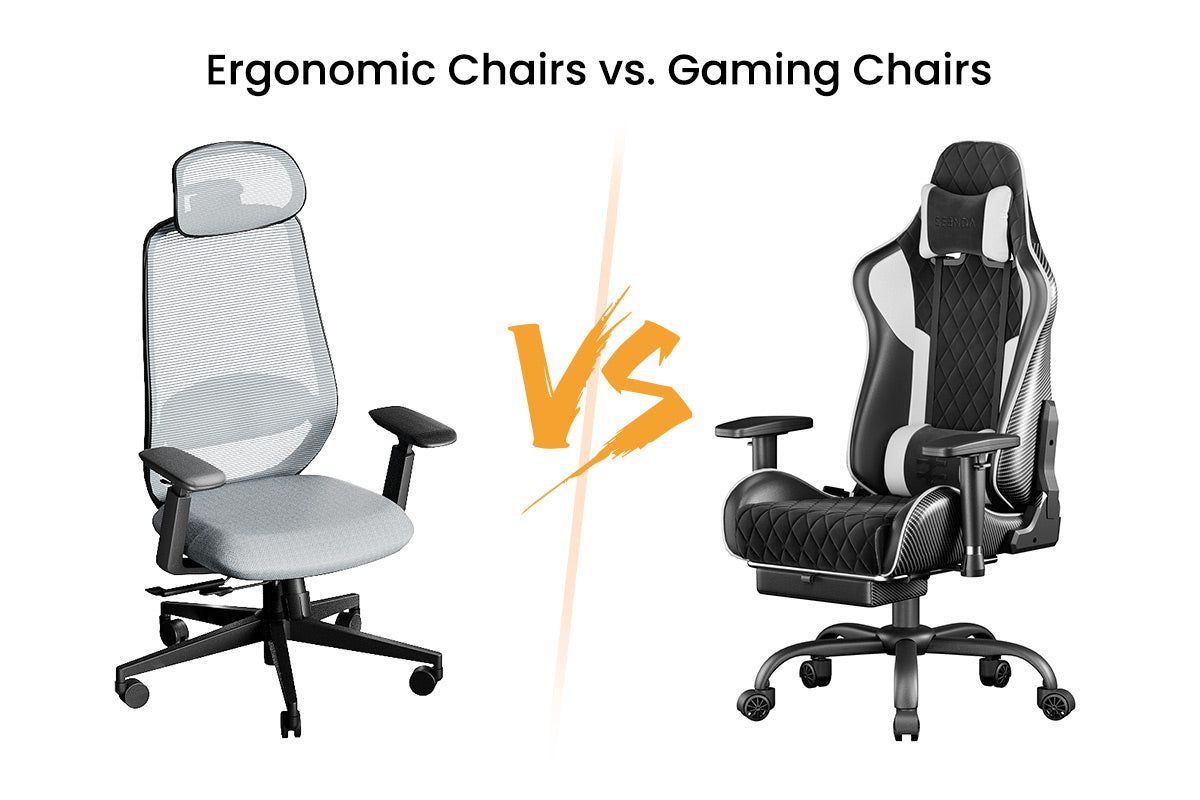
Choose an Ergonomic Office Chair if you sit for 6+ hours daily to protect your spine and prevent lower back pain. Choose a Gaming Chair if you want a bold aesthetic, plush cushioning, and deep recline for casual console gaming.
Both Gaming Chairs and Ergonomic Office Chairs are great options, but they work differently and offer distinct advantages.
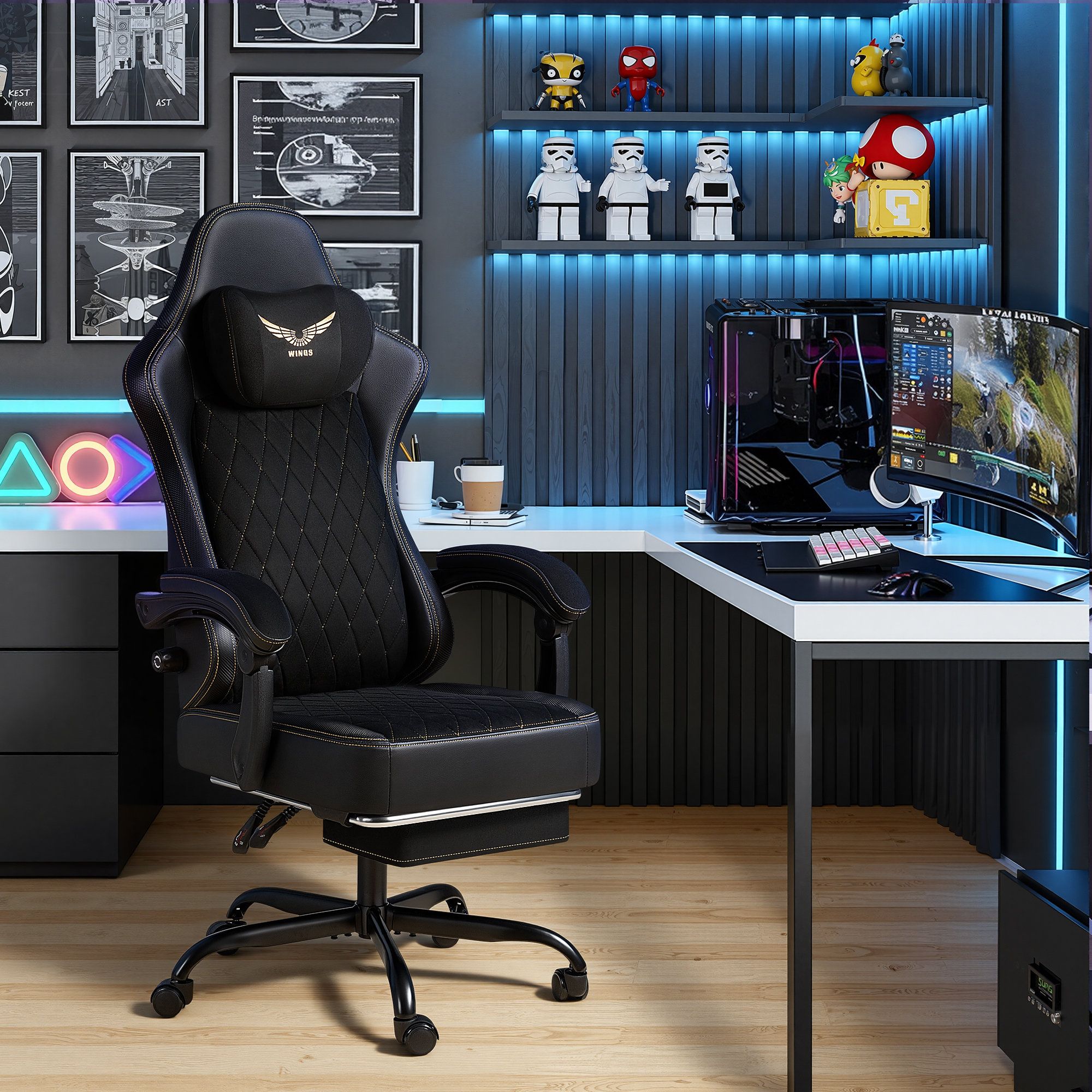
Bucket-seat geometry styled after sports cars, featuring PU leather upholstery and deep lounging recline.
Orthopedically engineered task seating with multi-zone lumbar support and breathable mesh suspension.
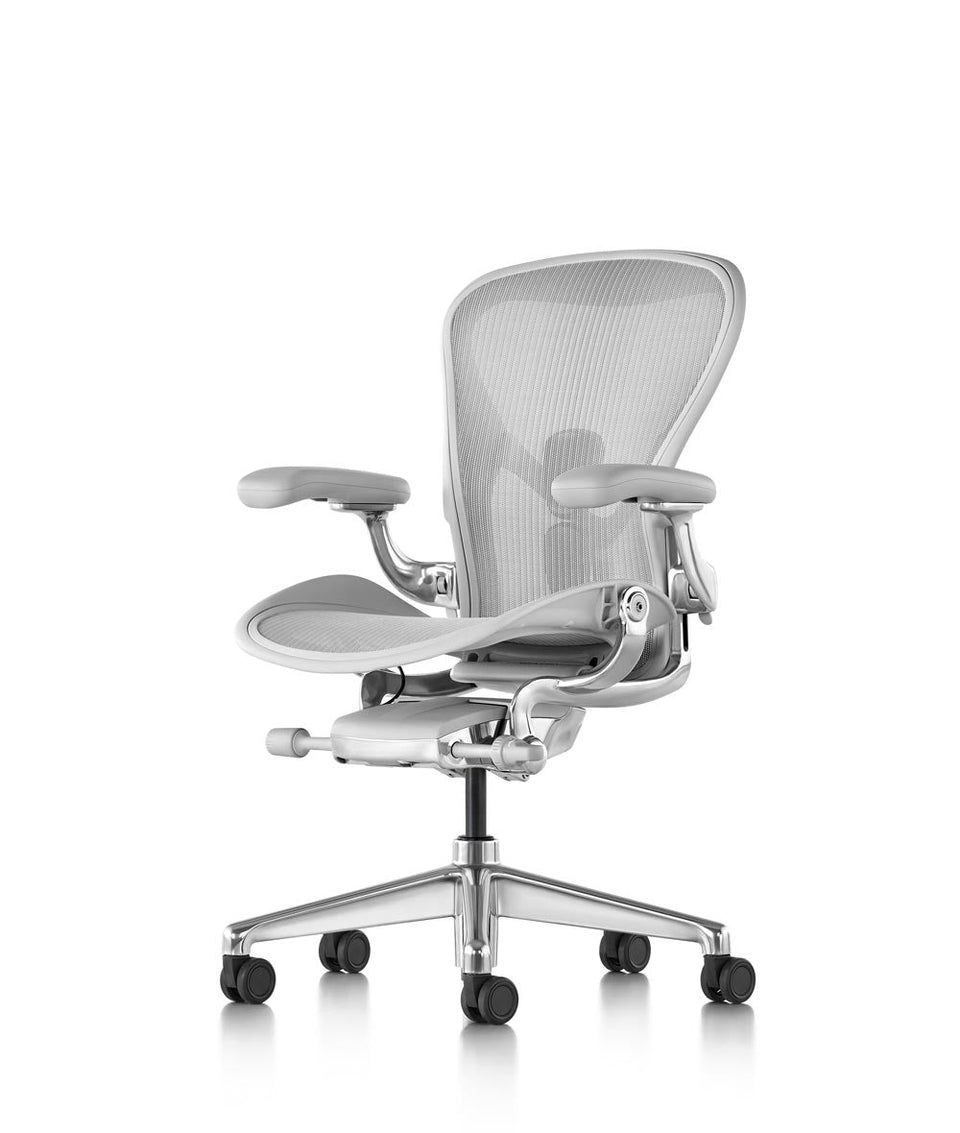
The seated posture debate is defined by two contrasting design philosophies: Racing-Style Gaming Chairs (pioneered by brands like Secretlab and DXRacer) and Orthopedic Ergonomic Office Chairs (engineered by Herman Miller, Steelcase, and Haworth). Gaming chairs are styled after rally-car racing bucket seats, featuring pronounced side bolsters, high backrests, and aggressive aesthetic accents. However, automotive bucket seats were originally engineered to restrict lateral human movement under high-G cornering forces—a constraint that can actually impede natural posture shifting and restrict pelvis movement during long 8-hour desk sessions.
The most critical orthopedic differentiator is how each chair supports the lumbar lordotic curve. Standard gaming chairs rely on loose, external elastic-strapped foam pillows. These pillows provide fixed forward bulk that often pushes the thoracic spine out of alignment, forcing the upper neck forward. High-performance ergonomic office chairs deploy integrated, multi-axis lumbar mechanisms (such as Herman Miller's PostureFit SL or Steelcase's LiveBack technology). These systems flex and articulate dynamically with your spinal vertebrae as you recline, maintaining the spine's natural 'S' curve without creating localized pressure spikes on lower lumbar discs.
Material choices directly dictate thermal comfort and skin sweat accumulation. Gaming chairs predominantly feature synthetic Polyurethane (PU) leather or bonded vinyl over dense molded foam. While easy to wipe clean, non-porous PU leather traps body heat, causing perspiration and discomfort during summer gaming sessions. Ergonomic office chairs utilize high-tensile elastomeric suspension mesh (like 8Z Pellicle) or breathable wool-blend fabrics that provide continuous 360-degree air circulation, keeping your back and thigh tissue cool across grueling workdays.
When selecting your workstation seating, evaluate your primary seated activities. If you prioritize deep 165-degree recline angles for controller gaming, watching movies, and lounging with built-in magnetic headrests, a premium gaming chair (like the Secretlab Titan Evo) delivers plush comfort and gamer aesthetics. If your priority is preventing lower back pain, maintaining healthy blood circulation, and typing for 8+ hours with 4D armrest support and synchro-tilt mechanics, an ergonomic mesh office chair is the superior investment in your long-term spinal health.
Ergonomic mesh chairs maintain upright posture, distribute sit-bone pressure evenly, and eliminate lower back fatigue during 10-hour workdays.
Gaming chairs offer bold color accents, high back profiles, and integrated magnetic headrests that look great on camera.
Gaming chairs feature deep 165-degree recline mechanisms that let you lean back and relax with a controller or tablet.
A commercial ergonomic chair backed by a 12-year warranty prevents chronic spine ailments, delivering far lower cost-per-year.
If you spend 6 to 10 hours seated daily for work and prioritize long-term spinal health, breathable cooling, and orthopedic lumbar alignment, an Ergonomic Mesh Office Chair is unequivocally the smarter investment. If you want a bold aesthetic for your streaming setup, thick plush cushioning, and deep recline for casual controller gaming, a premium Gaming Chair delivers great lounge comfort.
Budget gaming chairs with rigid side bolsters and flat foam backs can force shoulders forward and flatten the lower spine, leading to neck strain and lower back fatigue. However, premium gaming chairs with internal dial-adjustable lumbar mechanisms offer decent support, though still generally inferior to dedicated ergonomic mesh office chairs.
Explore related technical deep-dives and actionable buying guides.
