Debating between a high-end gaming laptop and building a custom desktop PC? We analyze Total Graphics Power (TGP) wattage, thermal throttling, noise decibels, and upgrade paths.
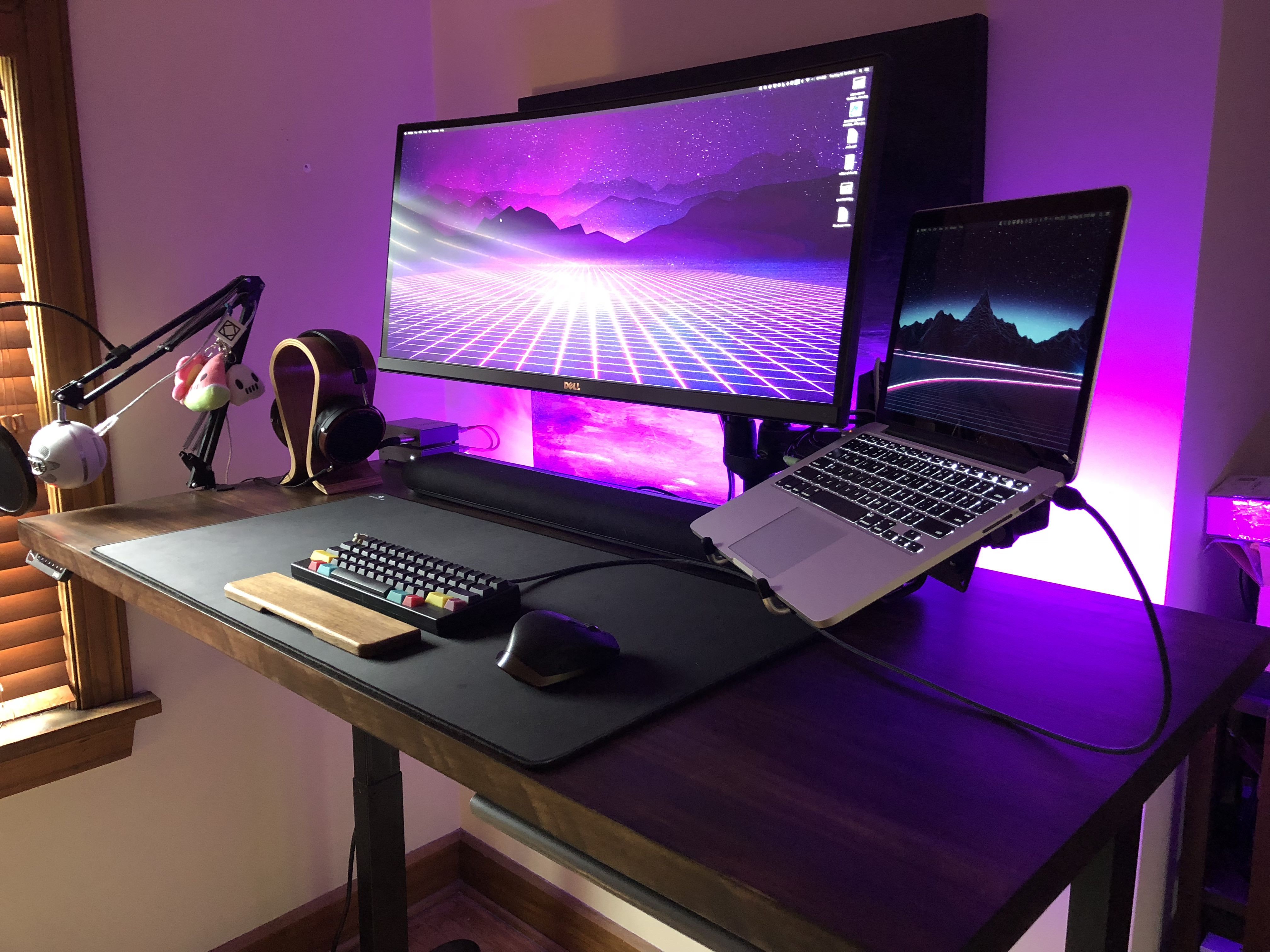
Choose a gaming laptop if you need a single machine for travel, school, or living in multiple locations. Choose a desktop PC if you have a dedicated desk setup and want maximum 4K frame rates, quiet acoustics, and future upgradability.
Both Gaming Laptops and Custom Desktop PCs are great options, but they work differently and offer distinct advantages.
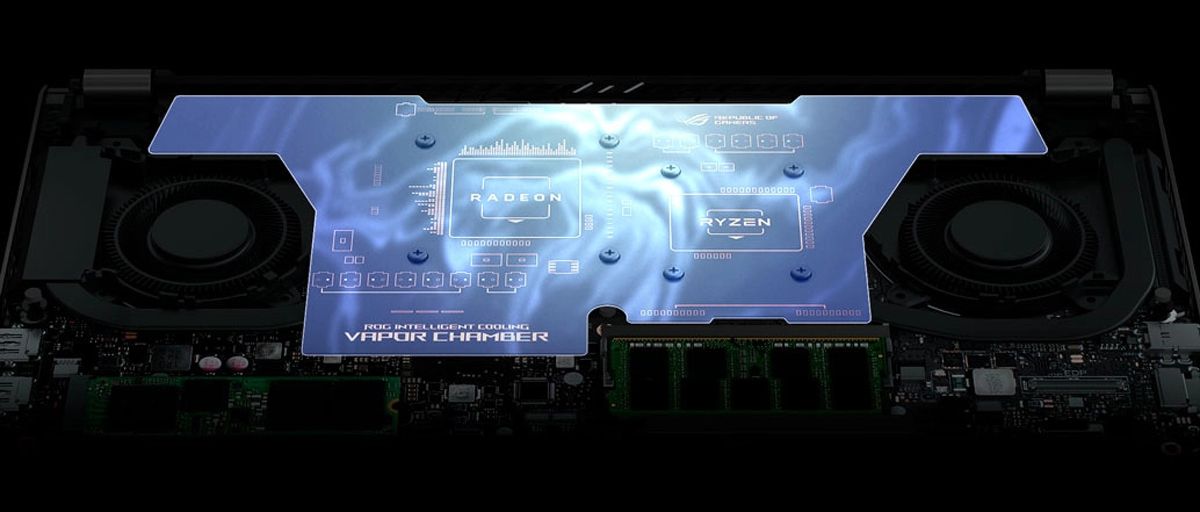
Concentrated power engineering with vapor chambers, liquid metal, and high-refresh integrated displays.
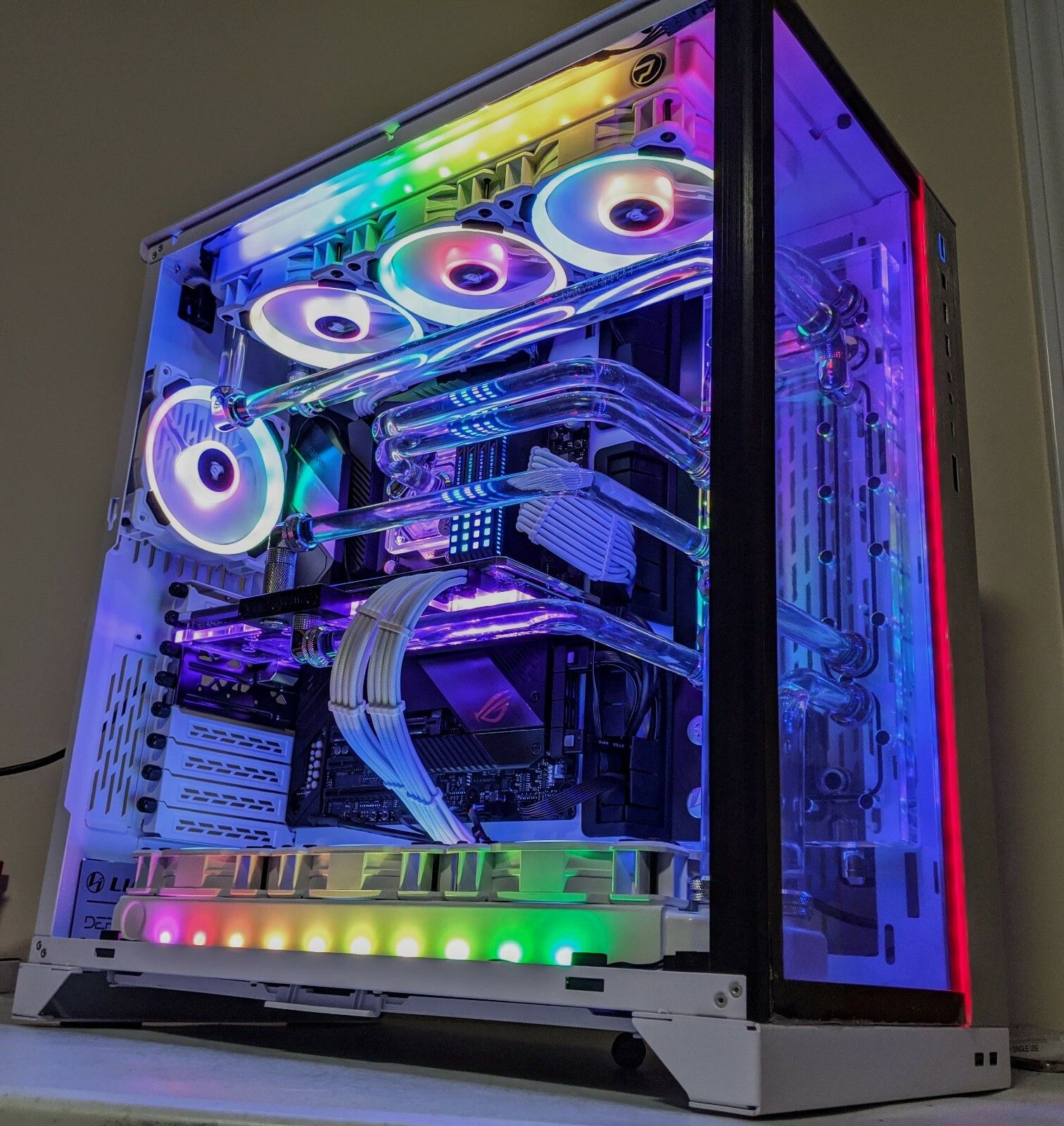
Unrestricted 850W+ power delivery with massive liquid cooling radiators and full modularity.
The core difference between a Gaming Laptop and a Custom Desktop PC comes down to thermal physics and power delivery. Modern desktop graphics cards (like the RTX 4080 and 4090) operate with power budgets between 320W and 450W, cooled by massive 3-slot aluminum fin heatsinks and triple 100mm axial fans. A laptop RTX 4090, despite sharing the same brand name, is built on a smaller physical die constrained to a maximum Total Graphics Power (TGP) of 175 watts to prevent melting in a 20mm chassis.
To dissipate 250+ combined watts of CPU and GPU heat in a portable chassis, modern gaming laptops utilize state-of-the-art engineering: liquid metal thermal interface materials (TIM), full-coverage vacuum-sealed vapor chambers, and high-RPM dual turbo-blowers. Under full AAA gaming load, laptop fans spin at 5,000+ RPM, generating 48 to 55 dBA of acoustic noise. Desktops, equipped with 360mm all-in-one (AIO) liquid cooling radiators and large low-RPM case fans, dissipate 500+ watts almost silently under 35 dBA.
The defining advantage of a gaming laptop is all-in-one portability: you get a high-refresh OLED/IPS display, mechanical keyboard, precision touchpad, and high-FPS gaming powerhouse that easily fits in a backpack for travel, college dorms, and LAN parties. Desktops sacrifice mobility for longevity: when a new GPU architecture or faster CPU socket launches, you can swap individual components without replacing your entire monitor, case, power supply, or storage.
A sleek gaming laptop handles daytime lectures, video editing, and evening AAA gaming on one device.
Desktops deliver locked 240+ FPS in competitive shooters and ultra-settings ray tracing in 4K.
Slip a powerful 16-inch gaming laptop in your bag and never miss a gaming session on the road.
Desktops let you swap in a new GPU 4 years down the road without repurchasing an entire system.
If your lifestyle demands mobility, modern gaming laptops pack astonishing power into slim, beautifully engineered form factors. But if your system will sit at a dedicated desk 95% of the time, a custom desktop PC gives you dramatically higher frame rates, quieter operation, and years of upgradability for your money.
No. Despite sharing the same model name, desktop graphics cards use larger silicon dies with more CUDA cores and draw up to 320 watts. A mobile RTX 4080 is limited to 175W TGP, resulting in roughly 25% to 35% lower frame rates compared to the desktop equivalent.
Explore related technical deep-dives and actionable buying guides.
