Want to optimize workout training strain, sleep cycles, and daily recovery readiness? We evaluated the best fitness trackers across dynamic PPG optical heart rate accuracy, independent built-in GPS, multi-day battery endurance, and recovery scoring algorithms.
At Chooosely, our sports science and biometric laboratory evaluates fitness trackers across four rigorous physiological and hardware performance criteria:
We evaluate optical PPG heart rate accuracy during high-intensity interval sprints and kettlebell workouts against medical-grade Polar H10 chest-strap monitors.
We audit sleep staging algorithms (Deep, REM, Light, Wake) across multi-week sleep tests compared against clinical polysomnography tracking standards.
We run standardized 5K and 10K outdoor tree-lined courses to measure satellite acquisition speed and spatial GPS path distance drift.
We benchmark real-world battery longevity with continuous 24/7 heart rate, SpO2 blood oxygen, nightly skin temperature, and daily GPS runs active.
These are the most frequent buying mistakes we see in real-world testing.
Wearing the tracker loosely like a fashion bracelet. Optical PPG sensors require snug, flush contact against the skin without ambient light gaps to prevent erratic 30+ BPM heart rate spikes during vigorous arm swings.
Treating wrist-based calorie expenditure estimates as absolute scientific truth. All wrist trackers calculate calorie burn through heart rate algorithms that can overestimate daily expenditure by 20% to 30%.
Purchasing a premium fitness wearable without factoring in required ongoing monthly software subscription fees needed to access full recovery and sleep data dashboards.
Use this simple framework to narrow down your options.
Prioritizes built-in GPS mapping, bright AMOLED readability in direct sunlight, real-time heart rate zone alerts, and quick Google Wallet payments.
Demands screenless distraction-free comfort, detailed nocturnal HRV readiness scores, dynamic cardiovascular strain targets, and non-stop wearability.
Focuses on sleep quality improvement, skin temperature variance tracking, SpO2 blood oxygen stability, and silent haptic wake alarms.
Top fitness trackers that fit different needs and budgets.
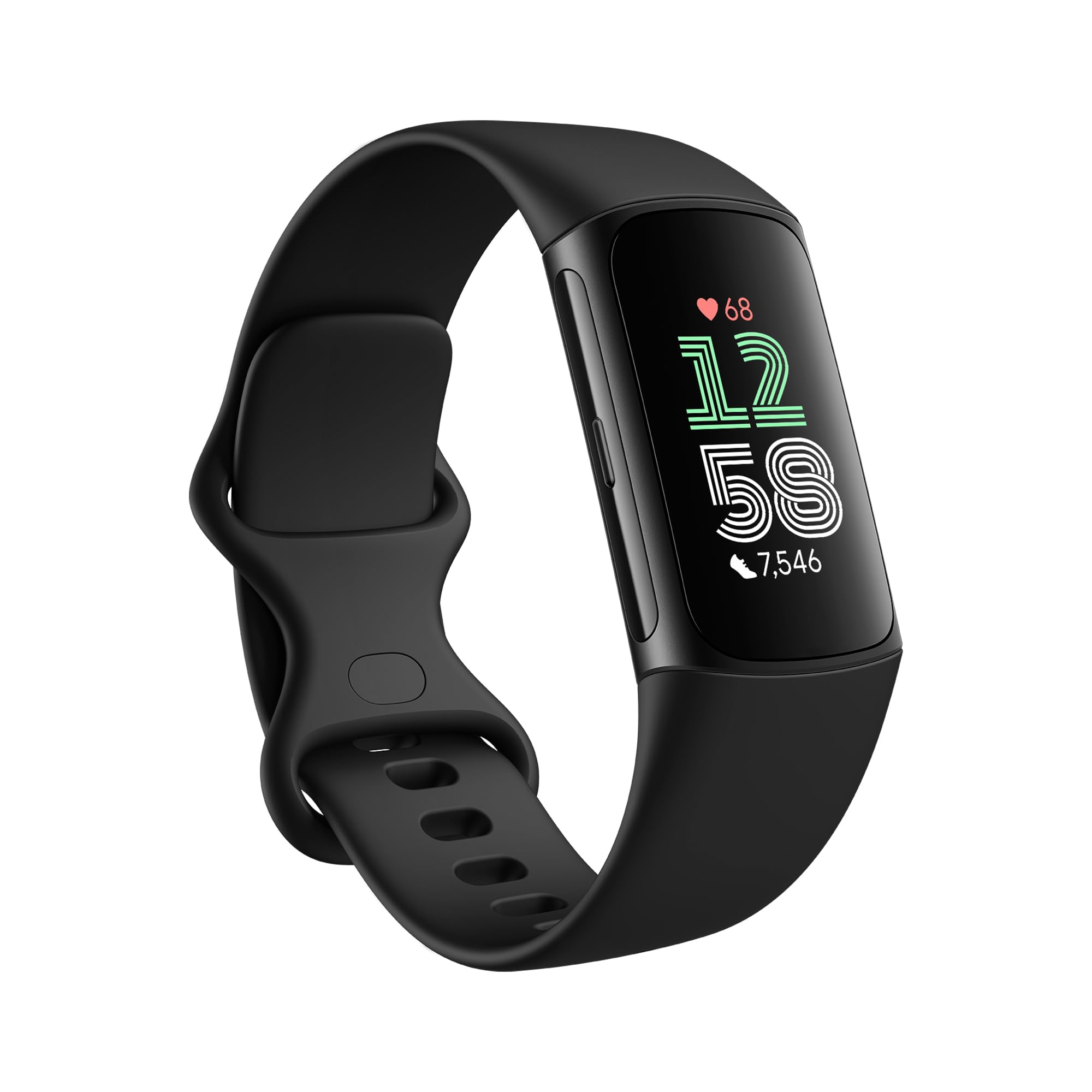
The Fitbit Charge 6 is the undisputed benchmark in mainstream health wearables, combining advanced Google software intelligence with state-of-the-art cardiovascular tracking. Equipped with an upgraded multi-path optical heart rate sensor optimized by machine-learning algorithms, it delivers up to 60% more accurate heart rate tracking during intense HIIT workouts and cycling than previous generations. It features built-in standalone GPS for accurate outdoor run mapping, an ECG sensor for atrial fibrillation detection, an EDA electrodermal sensor for stress management, and blood oxygen (SpO2) tracking. Seamlessly integrating Google Maps turn-by-turn navigation, Google Wallet contactless payments, and YouTube Music playback controls into a vivid, sunlight-readable color AMOLED display, it offers 7 full days of battery life in a slim, lightweight water-resistant package.
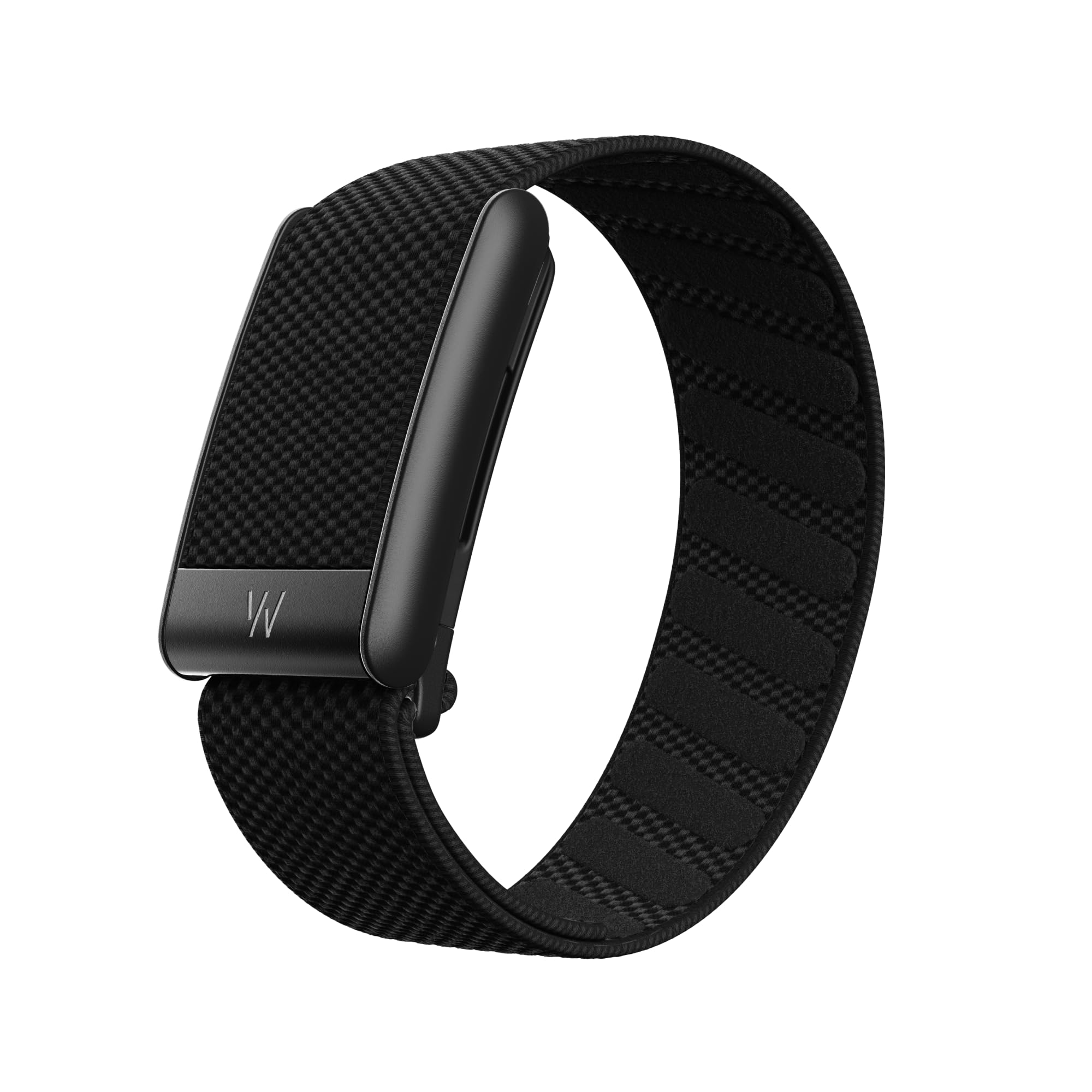
The WHOOP Peak is the premier biometric wearable for elite athletes, fitness enthusiasts, and biohackers who prioritize physiological optimization over digital wrist notifications. Designed with a completely screenless, ultra-low-profile textile band that eliminates blue-light distractions and vibration interruptions, it continuously monitors cardiovascular metrics 100 times per second across 5 discrete LED sensors. It calculates daily Strain Scores based on cardiovascular load, correlates sleep architecture against nocturnal Heart Rate Variability (HRV) to generate actionable morning Recovery Scores, and provides real-time sleep coaching tailored to your physiological debt. Featuring a slide-on battery pack that recharges the band wirelessly while you wear it—yielding up to 14 days of uninterrupted biometric data collection—it represents the gold standard in athletic recovery analysis.
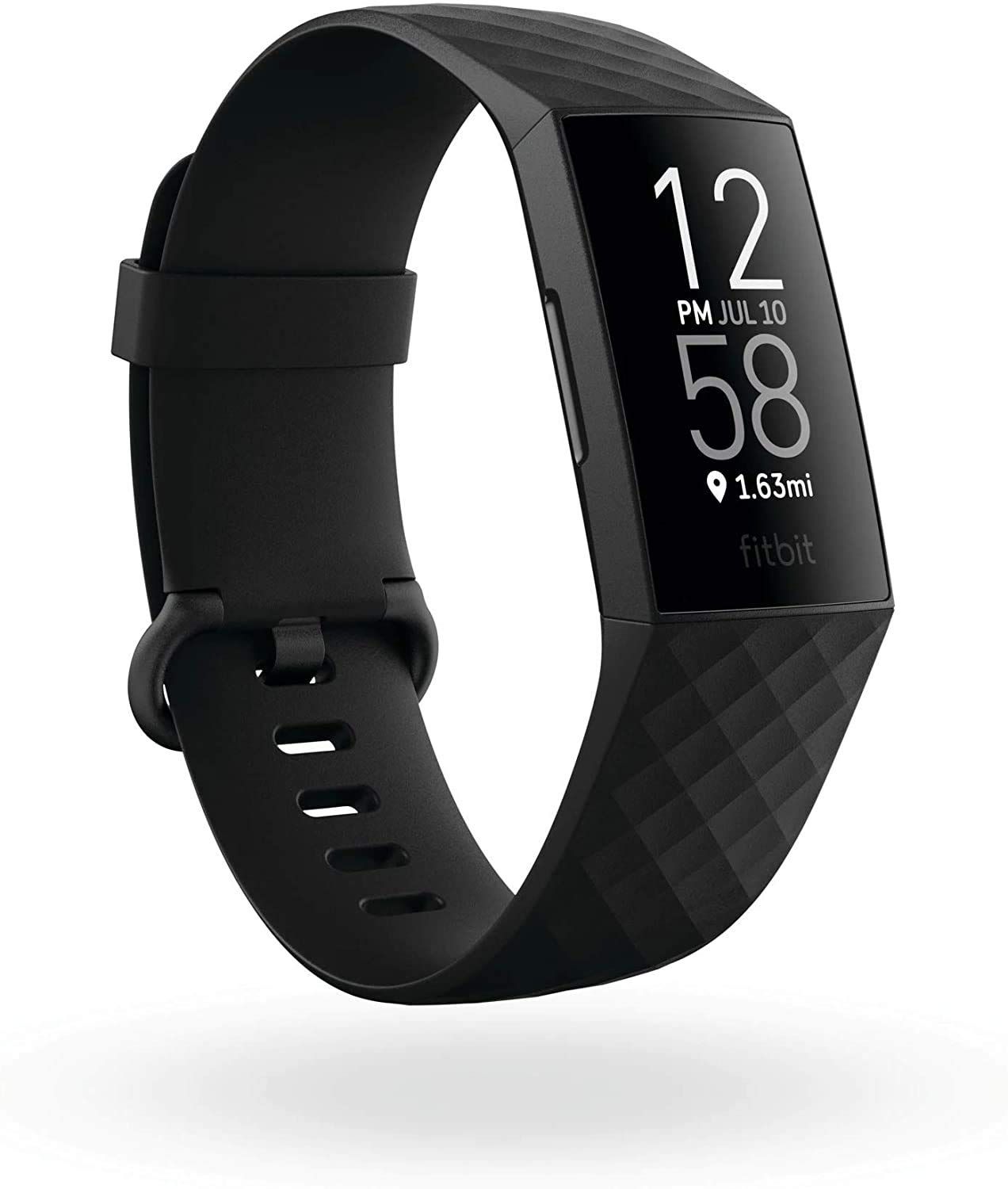
The Fitbit Charge 4 remains a stellar budget-friendly option for fitness enthusiasts seeking independent standalone GPS tracking without spending flagship prices. Built around a durable, lightweight silicone strap and an energy-efficient high-contrast monochrome OLED display, it accurately tracks your outdoor running and walking routes, pacing splits, and active elevation gain via its integrated altimeter. Featuring Fitbit's proprietary Active Zone Minutes metric, it motivates you to reach targeted cardiovascular training zones based on your resting heart rate and age, while comprehensive sleep tracking breaks down nightly sleep stages with actionable Sleep Scores. With a dependable 7-day battery life and 50-meter water resistance for lap swimming, it provides dependable health monitoring at an unbeatable entry-level price.
Heart Rate Variability (HRV) measures the millisecond differences between consecutive heartbeats, regulated by the balance between your sympathetic (fight-or-flight) and parasympathetic (rest-and-digest) nervous systems. A higher baseline HRV signals an adaptable, well-rested cardiovascular system capable of handling heavy physical strain, while a depressed HRV indicates systemic fatigue, poor sleep, dehydration, or impending illness.
Compare your top choices side by side and see which fitness tracker fits you best.
Explore related technical deep-dives and actionable buying guides.
