Deciding between a discreet smart ring and a feature-packed smartwatch? We compare optical PPG capillary accuracy, sleep recovery tracking, multi-day battery endurance, workout coaching, and notification management.
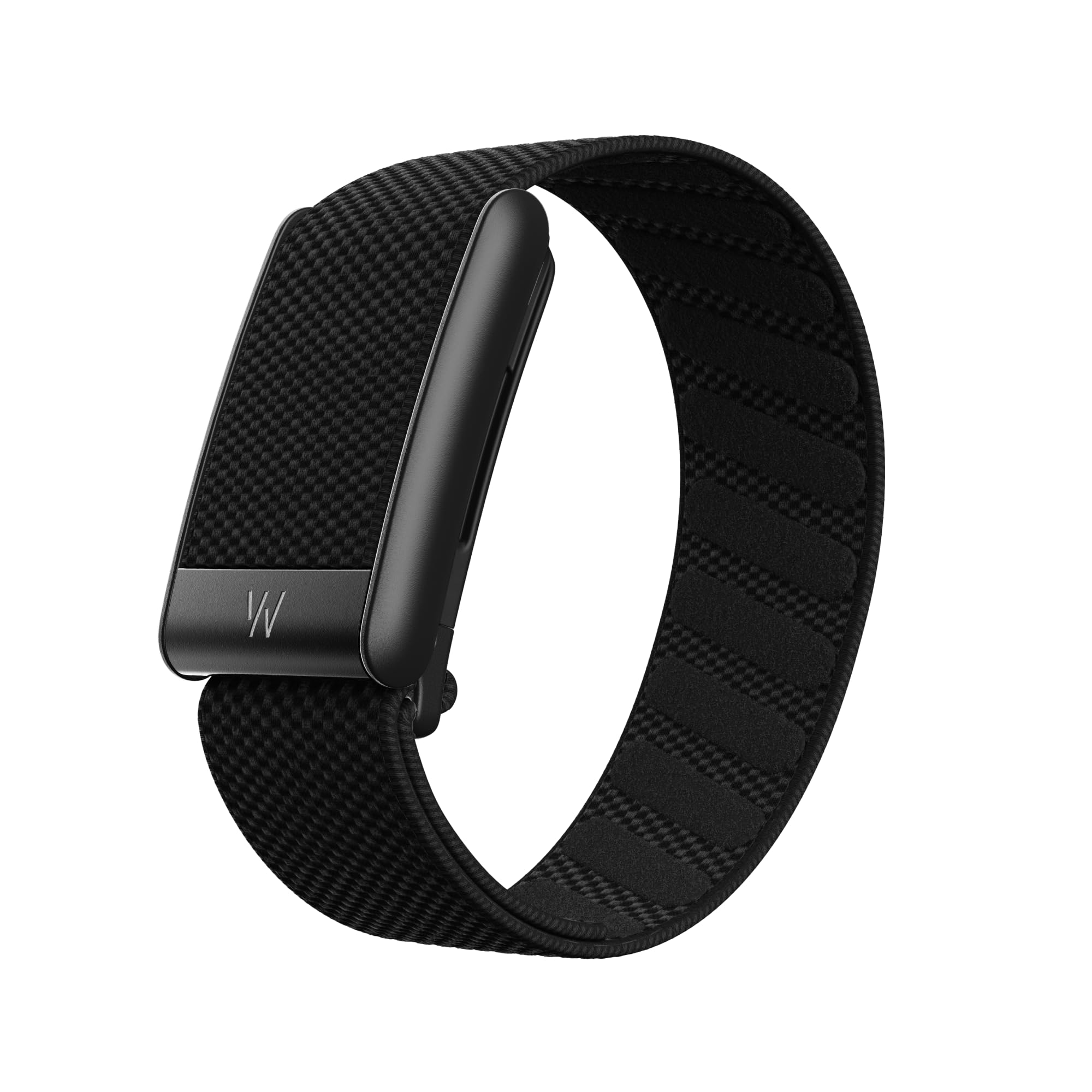
Choose a Smart Ring for effortless, distraction-free sleep recovery, resting HRV metrics, and multi-day battery life. Choose a Smartwatch if you need real-time workout pacing, GPS mapping, and interactive wrist notifications.
Both Smart Rings and Smartwatches are great options, but they work differently and offer distinct advantages.
Ultra-lightweight titanium band tracking biometrics directly from digital capillary blood vessels in the finger.
Full-featured wrist computer featuring high-resolution touchscreens, GPS antennas, and communication apps.
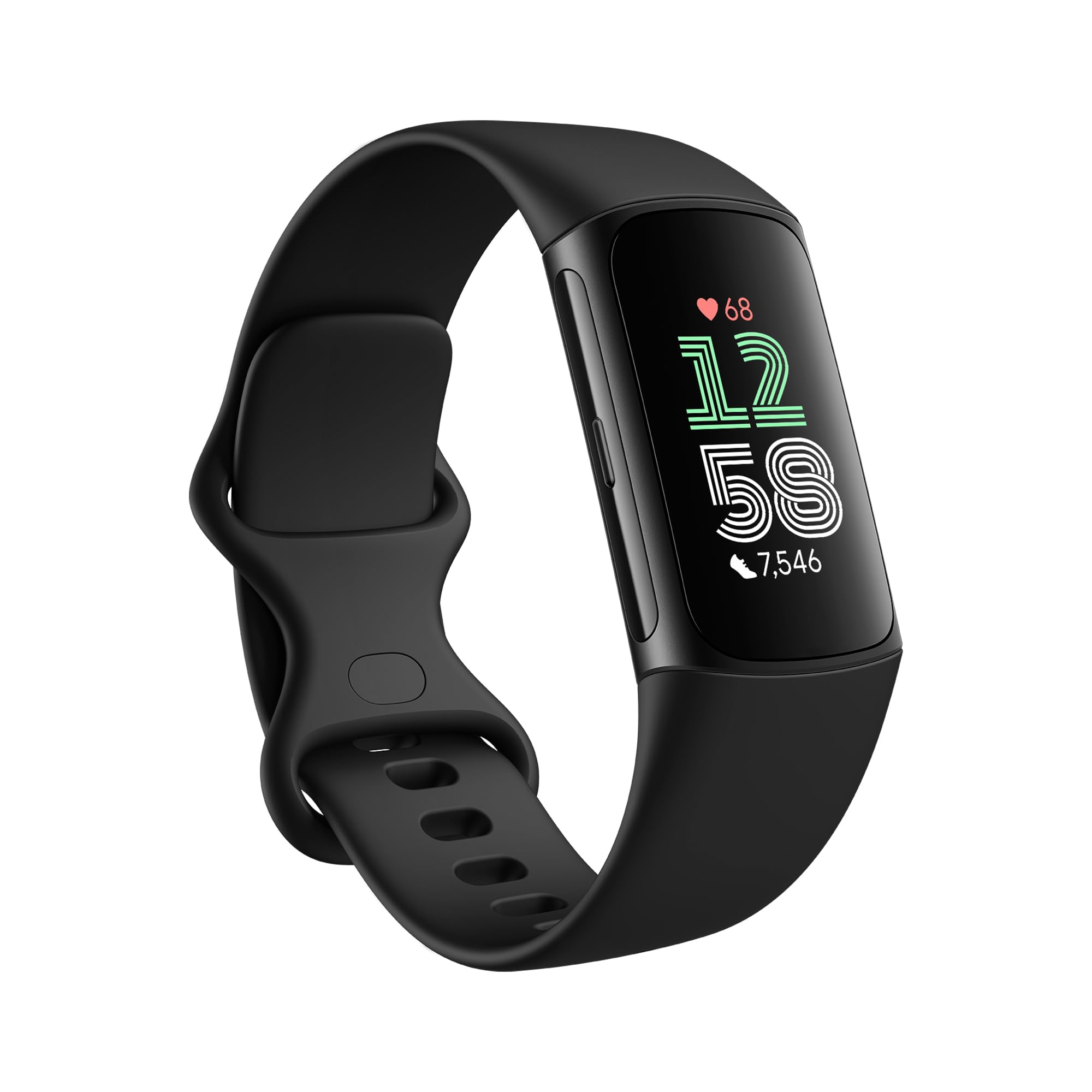
The consumer health tracking landscape has branched into two distinct wearable philosophies: Smart Rings (such as the Oura Ring Gen 4 and Ultrahuman Ring Air) and full-featured Smartwatches (like the Apple Watch Series 10 and Samsung Galaxy Watch Ultra). While both form factors monitor vital biometrics—including continuous heart rate, sleep architecture, skin temperature variations, and blood oxygen (SpO2)—they cater to fundamentally different lifestyle priorities, screen time preferences, and charging routines.
From a biomedical sensing perspective, the palmar side of the finger offers distinct anatomical advantages for optical Photoplethysmography (PPG). The digital arteries located inside the finger are closer to the skin surface and less obstructed by dense tendon bundles and wrist bones than the radial artery on the top of the wrist. During sleep and sedentary rest periods, smart rings capture remarkably clean pulse waveform signals with minimal motion noise. However, during high-impact cardiovascular exercise (such as heavy weightlifting, crossfit, or rowing), gripping barbells compresses the finger tissue and causes sensor shifts, where wrist-worn smartwatches maintain superior stability and real-time athletic tracking.
The defining psychological difference between these two devices is the display screen. Smart rings are completely screenless, vibration-free, and distraction-proof. They operate invisibly in the background, syncing health metrics silently to your smartphone application without interrupting your day with buzzing app alerts or blue-light screen glow in bed. In contrast, smartwatches serve as wrist-mounted communication command centers, offering full-color AMOLED touchscreens, turn-by-turn GPS navigation, contactless NFC payments, and wrist-call capabilities.
When choosing between these formats, evaluate your charging patience and subscription budgets. Smart rings sip minimal battery power, consistently delivering 5 to 8 days of 24/7 continuous health tracking from a single charge in a compact portable charging case. Smartwatches typically require daily or alternate-day charging, creating frequent tracking gaps if you forget to recharge before bedtime. Finally, note that smart rings require ordering a physical sizing kit to determine your exact finger fit across temperature shifts, and some brands require ongoing monthly app subscription memberships to unlock full health analytics.
Smart rings track nocturnal HRV, resting pulse, and skin temperature fluctuations without screen glow or heavy wrist bulk disturbing your sleep.
Smartwatches provide real-time GPS pace, heart rate zone vibration alerts, elevation tracking, and route navigation on your wrist.
Smart rings log daily readiness and physiological stress without pinging you with constant smartphone notification distractions.
With 7-day battery life and compact pocket charging cases, smart rings eliminate daily charger anxiety on multi-day work trips.
If your primary goal is optimizing deep sleep, monitoring recovery readiness (HRV), and wearing a distraction-free health tracker that lasts over a week on a single charge, a Smart Ring is the ultimate lifestyle wearable. If you need live exercise pacing, standalone GPS route tracking, gym interval timers, and the ability to handle calls and messages from your wrist, a Smartwatch remains the indispensable active companion.
During sleep, resting heart rate checks, and daily sedentary activities, smart rings are often more accurate because digital arteries in the finger run closer to the skin with less tissue interference than the radial artery at the wrist. However, during heavy gym workouts or cycling, smartwatches track dynamic heart rate spikes more reliably because gripping weights can distort finger sensors.
Explore related technical deep-dives and actionable buying guides.
