Looking for the best smartwatch for accurate biometric health tracking, multi-band GPS, and daily battery endurance? Our definitive technical buying guide compares dual-frequency L1+L5 satellite tracking, ECG accuracy, optical PPG sensor arrays, and operating systems across the top smartwatches of 2026.
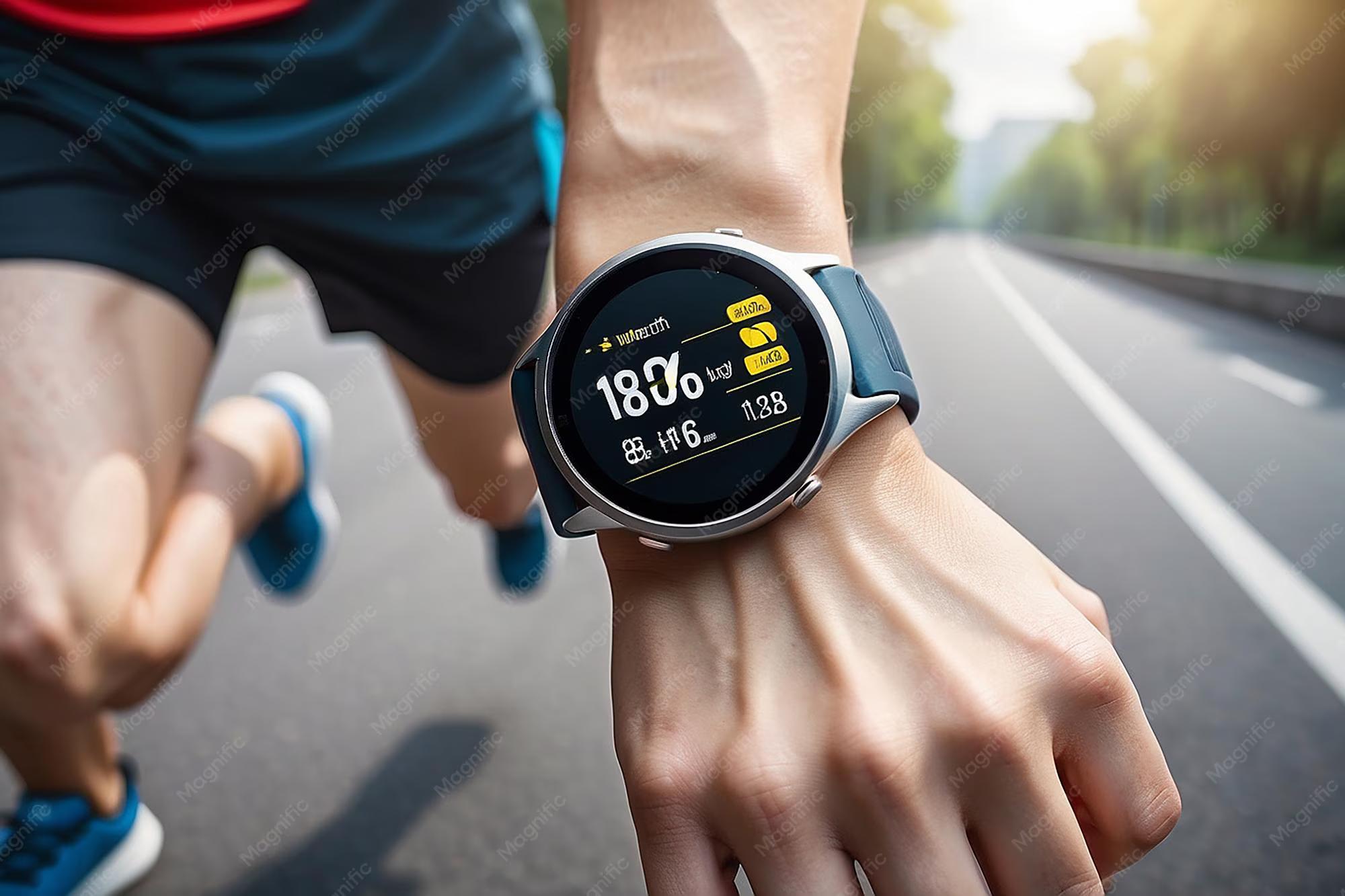
Our evaluation framework for smartwatches synthesizes verified hardware teardowns, published biometric sensor benchmarks, and real-world athletic performance data to assess tracking accuracy and daily software reliability.
We compare continuous optical PPG heart rate data against gold-standard medical chest straps (Polar H10) during high-intensity interval training (HIIT), measuring beat-to-beat correlation and latency.
We run standardized 10K courses through dense high-rise downtown skyscraper corridors and heavy tree canopies, measuring distance discrepancy and track drift against surveyed benchmarks.
We log battery depletion rates under identical conditions: Always-On Display active, 60 minutes of daily outdoor GPS tracking, continuous SpO2/skin temp logging, and full notification sync.
We audit UI touch responsiveness, voice assistant execution latency, contactless payment reliability, app store breadth, and third-party health data syncing (Apple Health, Strava, Google Health Connect).
These are the most frequent buying mistakes we see in real-world testing.
Apple Watches physically cannot pair or activate with Android devices, rendering them completely inoperable without an active iPhone.
Buyers expecting an Apple Watch or Galaxy Watch to last 5 to 7 days on a charge are frustrated when daily recharging is required with Always-On Display.
A loose watch band allows the optical sensor to bounce off the wrist skin during running or lifting, causing severe 'cadence lock' and erratic heart rate spikes.
Single-band GPS watches suffer massive signal deflection from glass skyscrapers, resulting in inaccurate pace readings that can ruin race-day pacing strategies.
Use this simple framework to narrow down your options.
Demands seamless texting, Siri voice commands, Apple Pay, ECG heart monitoring, and elegant all-day aesthetics. Best served by Apple Watch Series 10.
Prioritizes precise dual-band GPS pacing, HRV training readiness metrics, physical buttons for sweaty hands, and 10+ days of battery life. Best served by Garmin Forerunner 265.
Wants rich Google Wear OS integration, Google Maps turn-by-turn, BioActive body composition metrics, and Galaxy AI wellness scoring. Best served by Samsung Galaxy Watch 7.
Demands Grade 5 titanium armor, 3,000-nit screen readability, emergency sirens, and multi-day expedition GPS runtime. Best served by Apple Watch Ultra 2.
Top smartwatches that fit different needs and budgets.
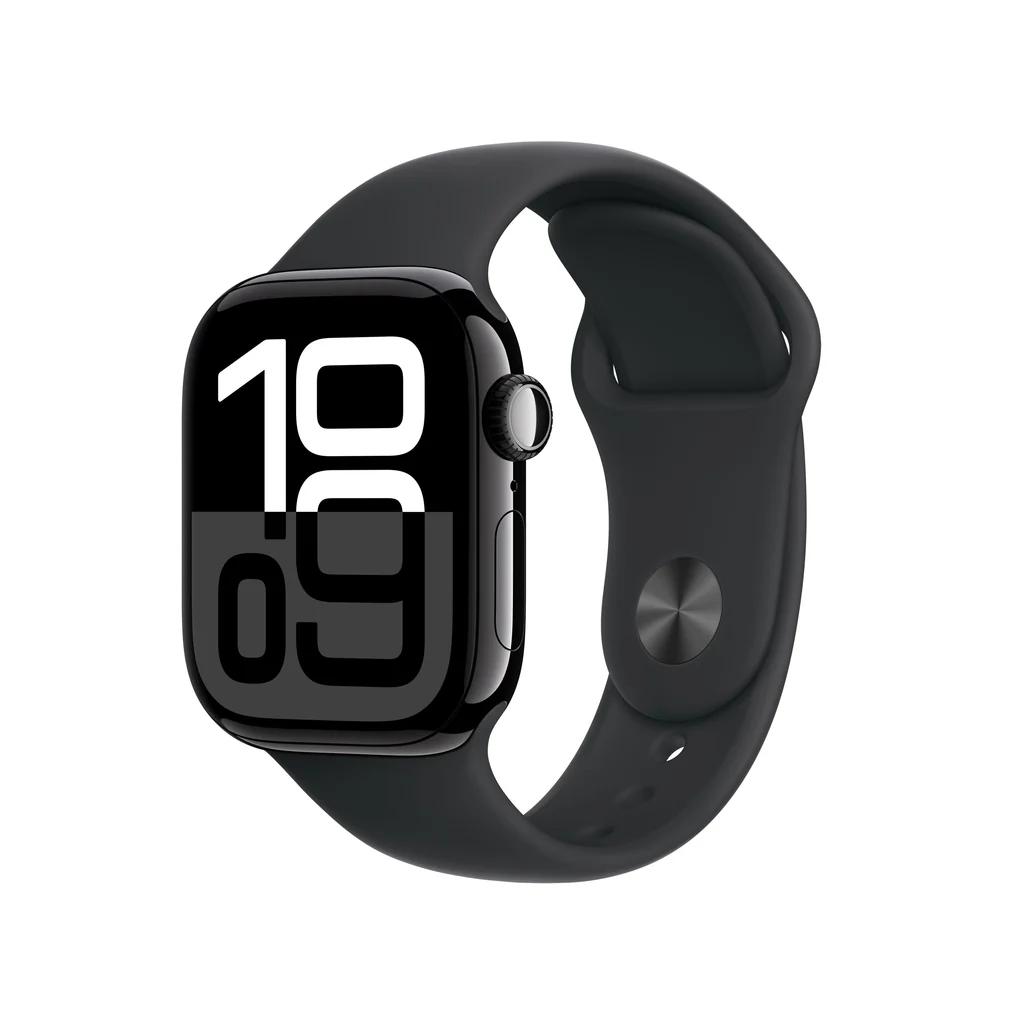
The Apple Watch Series 10 represents a major evolutionary leap in wearable design, featuring Apple's thinnest chassis ever and a groundbreaking wide-angle OLED display that is up to 40% brighter when viewed off-axis. Powered by the S10 SiP processor with a 4-core Neural Engine, it delivers on-device Siri dictation, automatic sleep apnea risk notifications, depth/water temperature sensors for snorkeling, and rapid 0-to-80% magnetic fast charging in just 30 minutes. It is the gold standard for daily lifestyle, health, and communication integration on iOS.
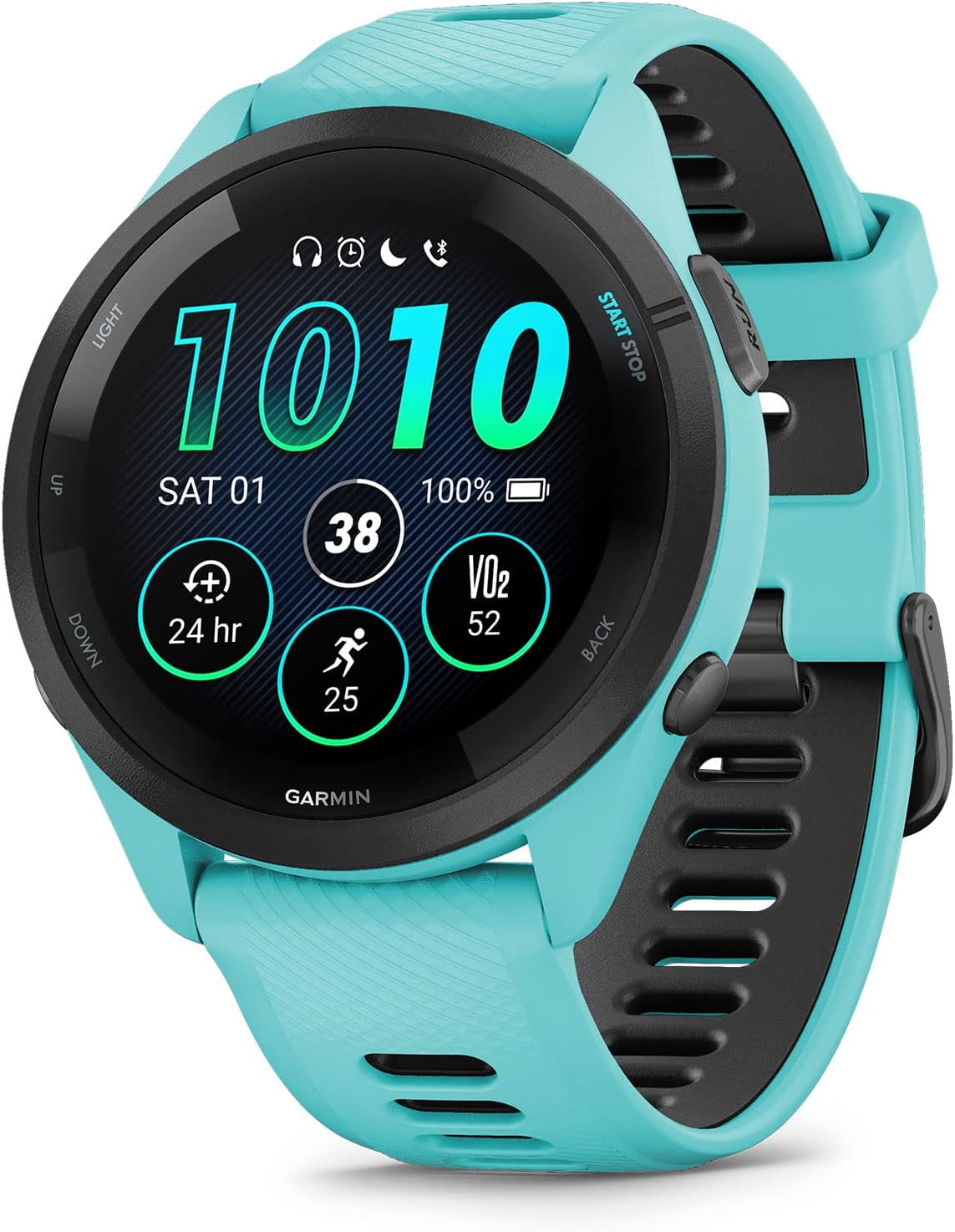
The Garmin Forerunner 265 is the premier sports smartwatch for dedicated runners, cyclists, and triathletes. Boasting a vivid 1.3-inch AMOLED touchscreen paired with dual-frequency multi-band GPS, it tracks routes with unerring accuracy in dense forests and cities. Garmin's legendary Training Readiness score, HRV Status, and morning report give actionable insight into whether your central nervous system is primed for hard intervals or needs active recovery, backed by an impressive 13-day battery life.
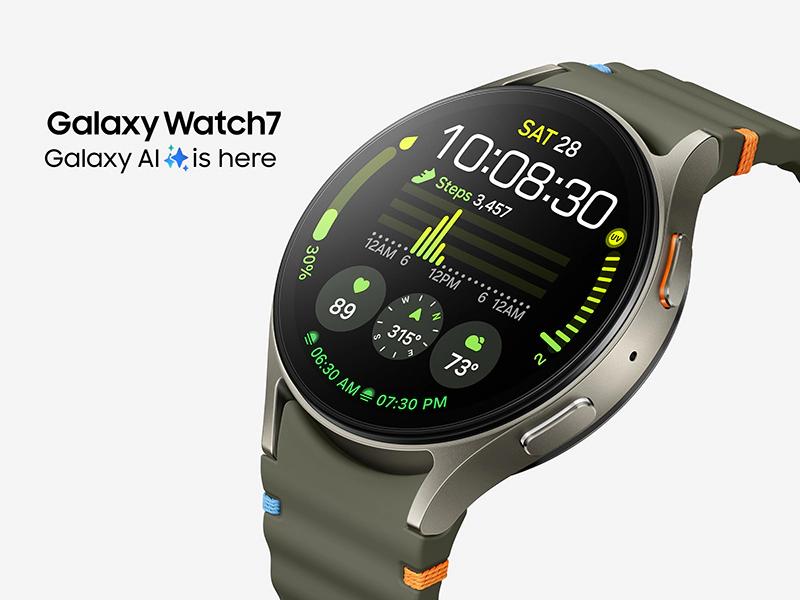
The Samsung Galaxy Watch 7 is the best smartwatch for Android users, debuting the ultra-efficient 3nm Exynos W1000 processor and an upgraded BioActive 13-LED sensor array for clinical-grade health tracking. It introduces Galaxy AI Energy Scores, FDA-authorized sleep apnea monitoring, advanced glycation end-products (AGEs) metabolic tracking, and dual-frequency L1+L5 GPS for razor-sharp route mapping, all wrapped in a sleek, lightweight aluminum casing with sapphire crystal glass.
No. The Apple Watch requires an iPhone to set up, sync, and operate. Similarly, modern Wear OS 5 watches (like Samsung Galaxy Watch 7 and Google Pixel Watch 3) strictly require an Android phone. If you switch between iOS and Android, choose a Garmin or Amazfit smartwatch, which offers full cross-platform compatibility.
Explore related technical deep-dives and actionable buying guides.
