Unsure whether you need active electronic phase cancellation or physical acoustic noise isolation? Discover how acoustic decibel attenuation, frequency spectrum filtering, ear tip seals, and DSP latency affect your listening experience.
Choose ANC for daily commuting, frequent airplane travel, and open office focus. Choose Passive Isolation for studio audio mixing, stage monitoring, or zero-battery reliability.
Both Active Noise Cancellation (ANC) and Passive Noise Isolation are great options, but they work differently and offer distinct advantages.
Microphone arrays capture ambient sound and generate inverted phase anti-sound waves in real time.
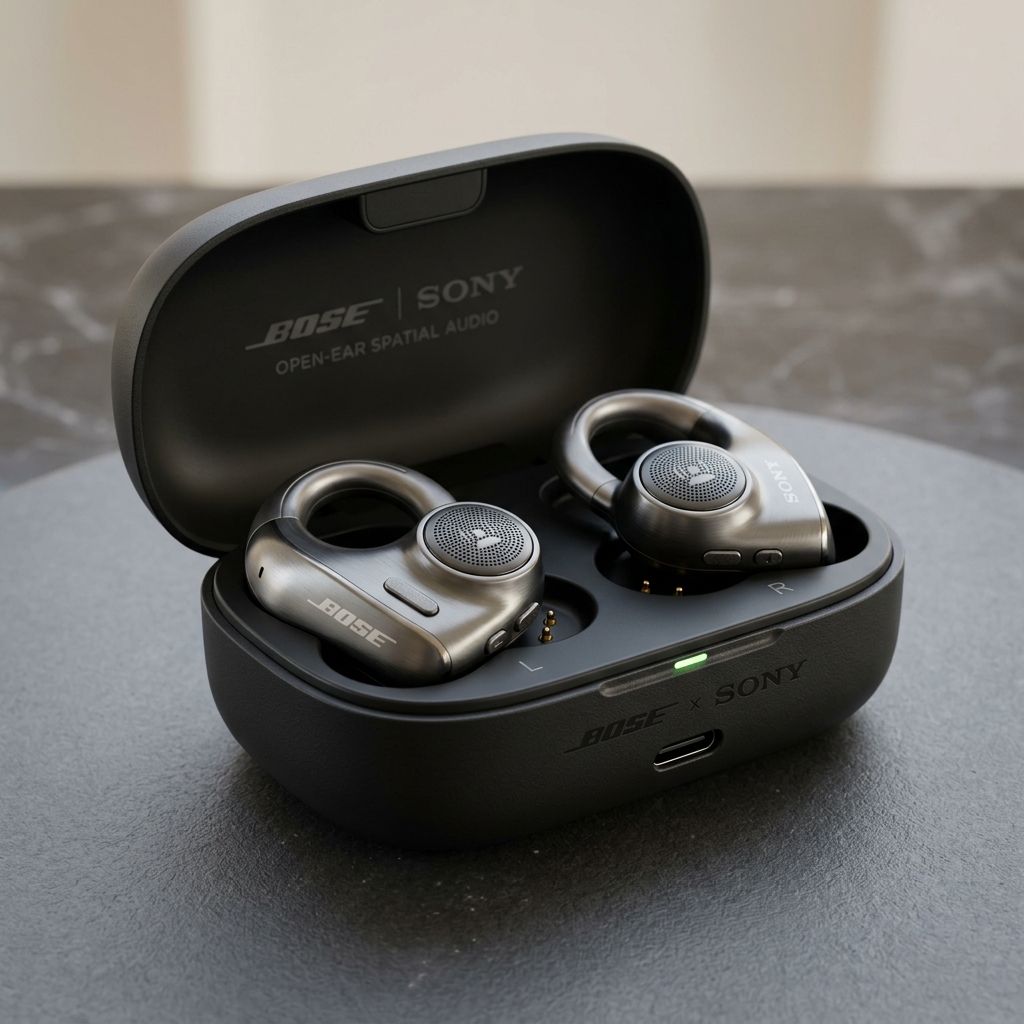
Dense memory foam cushions, silicone ear tips, and sealed acoustic chambers physically block sound.
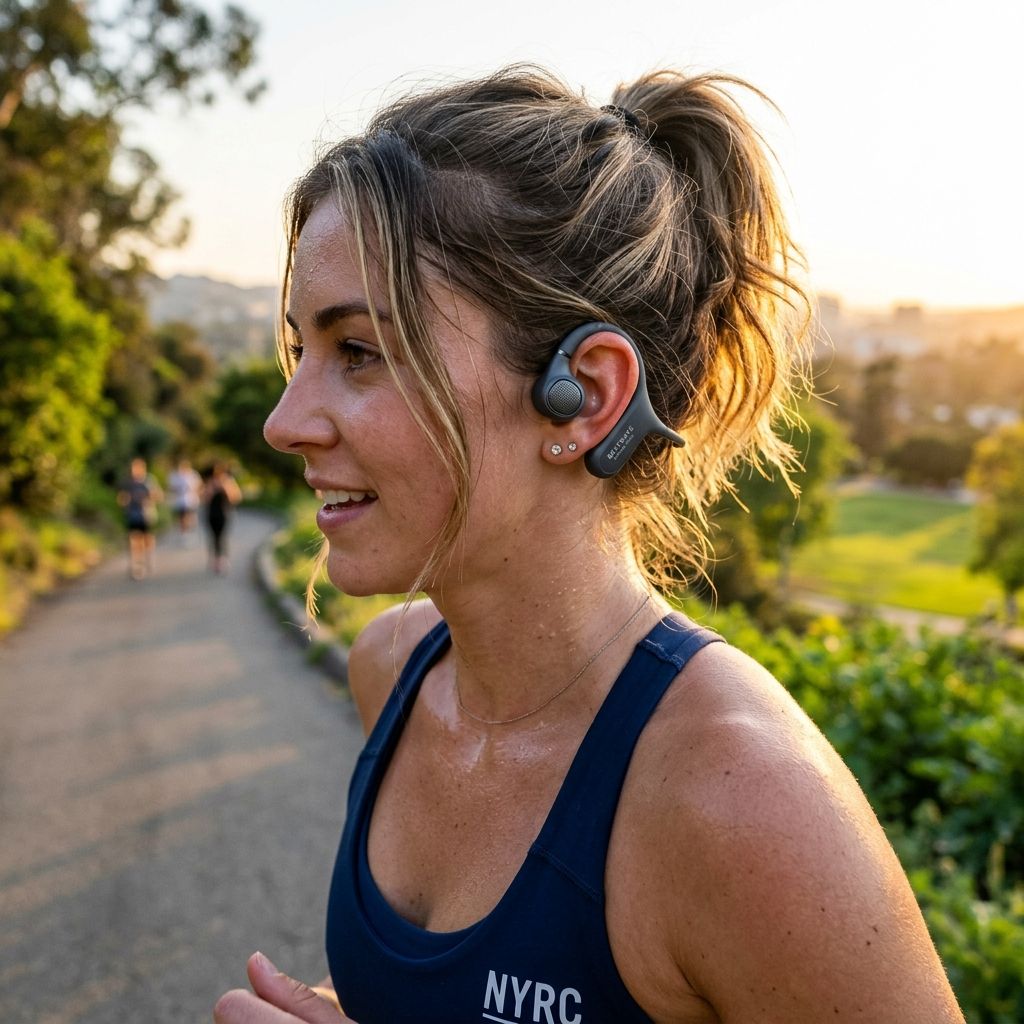
Noise reduction in modern headphones and in-ear monitors (IEMs) falls into two fundamentally different engineering approaches: Active Noise Cancellation (ANC) and Passive Noise Isolation. ANC relies on micro-feedforward and feedback microphone arrays paired with dedicated digital signal processors (DSP). The DSP continuously analyzes incoming ambient sound waves and generates an inverted, 180-degree anti-phase sound wave that actively collides with and cancels ambient sound before it reaches your eardrum. In contrast, passive noise isolation utilizes dense physical acoustic barriers—high-density memory foam earcups, multi-flange silicone ear tips, and sealed acoustic ear chambers—to physically attenuate and deflect airborne sound pressure waves.
The acoustic physics of sound waves dictate which technology performs best across different noise frequencies. ANC is exceptionally effective against continuous, repetitive low-frequency drone noises (between 20 Hz and 800 Hz)—such as commercial airplane jet turbines, subway rail rumble, bus engine vibration, and HVAC air conditioner hums. Because low-frequency sound waves are long and predictable, onboard DSP chips can synthesize an anti-phase waveform with millisecond precision. However, ANC algorithms struggle to predict erratic, sudden high-frequency noises (above 1,000 Hz), such as office chatter, crying infants, or clattering restaurant silverware. High-frequency noise is attenuated primarily through a dense, airtight passive acoustic seal.
Because ANC relies on continuous microphone sampling and active DSP computation, enabling noise cancellation typically reduces wireless headphone battery runtime by 25% to 40%. Furthermore, some listeners experience a subtle physical sensation commonly called "eardrum cabin pressure." This is not actual atmospheric pressure change; rather, when low-frequency ambient rumble is abruptly canceled while high-frequency sound remains, the human inner ear and brain misinterpret the frequency imbalance as an atmospheric pressure drop. Passive isolation introduces zero digital processing, consumes zero battery power, and provides natural acoustic dynamics without ear fatigue.
If you commute daily on public transit, fly frequently, or work in bustling open-plan office spaces, ANC headphones (equipped with adjustable Transparency / Ambient Sound passthrough modes) provide an indispensable personal sanctuary. If you are an audio engineer mixing music in a studio, a stage musician using custom-molded in-ear monitors (CIEMs), or a purist audiophile who demands uncolored soundstage fidelity without DSP manipulation, high-performance passive isolation headphones deliver pure, uninterrupted acoustic perfection.
Hybrid ANC cancels continuous jet engine roar and subway rumble, allowing you to sleep peacefully on long flights.
Passive isolation headphones preserve natural soundstage dynamics and instrument separation with zero digital DSP alteration.
ANC creates an instant personal quiet zone, drowning out distant air conditioning and background conversations.
Passive in-ear monitors never run out of battery during 12-hour workdays or international travel.
If you travel frequently, commute on public transit, or work in noisy environments with constant low-frequency drone, Active Noise Cancellation (ANC) is an indispensable lifestyle upgrade. If you prioritize uncompromised audiophile sound fidelity, zero battery charging anxiety, and natural high-frequency voice blocking, Passive Noise Isolation remains the purist standard.
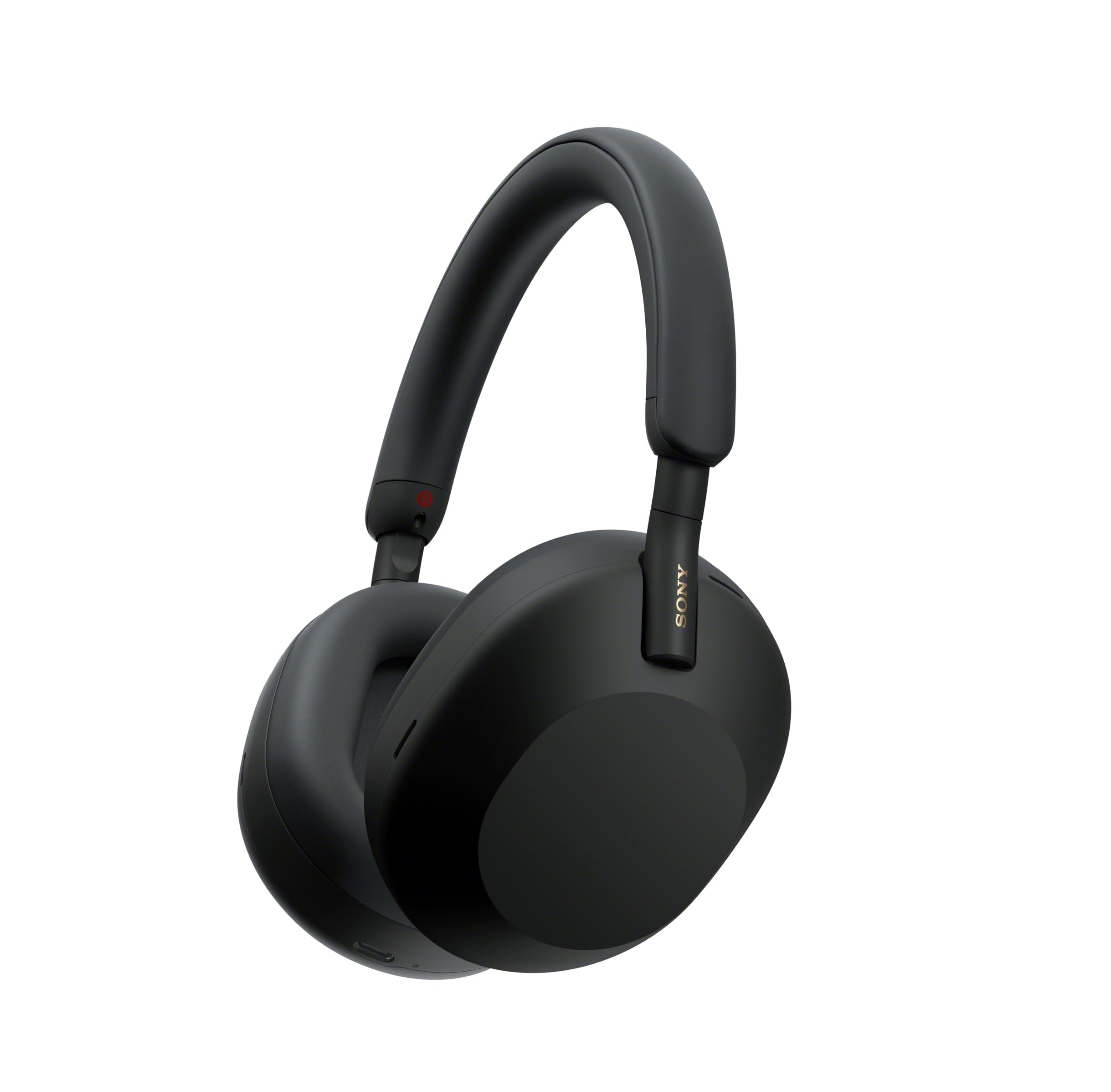
On flagship headphones (like Sony WH-1000XM5 or Bose QuietComfort Ultra), high-resolution DSP algorithms preserve audio fidelity and automatically tune EQ curves to compensate for anti-phase waves. However, audiophile purists may notice a slight reduction in open soundstage airiness compared to passive open-back headphones.
Explore related technical deep-dives and actionable buying guides.
