Confused between High Dynamic Range (HDR) and Standard Dynamic Range (SDR)? Discover the technical realities of peak luminance nits, 10-bit color spaces, Mini-LED local dimming, and desktop productivity.
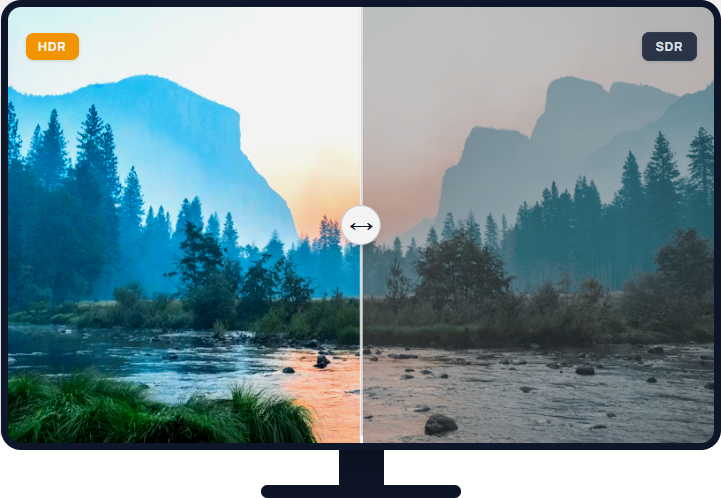
Enable HDR for modern 4K gaming, console play, and cinematic streaming on Mini-LED or OLED screens. Keep SDR active for standard office work, reading documents, and web browsing.
Both HDR and SDR are great options, but they work differently and offer distinct advantages.
Expands luminance range up to 1,000+ nits and unlocks 10-bit wide DCI-P3 color gamuts for photorealistic highlights.
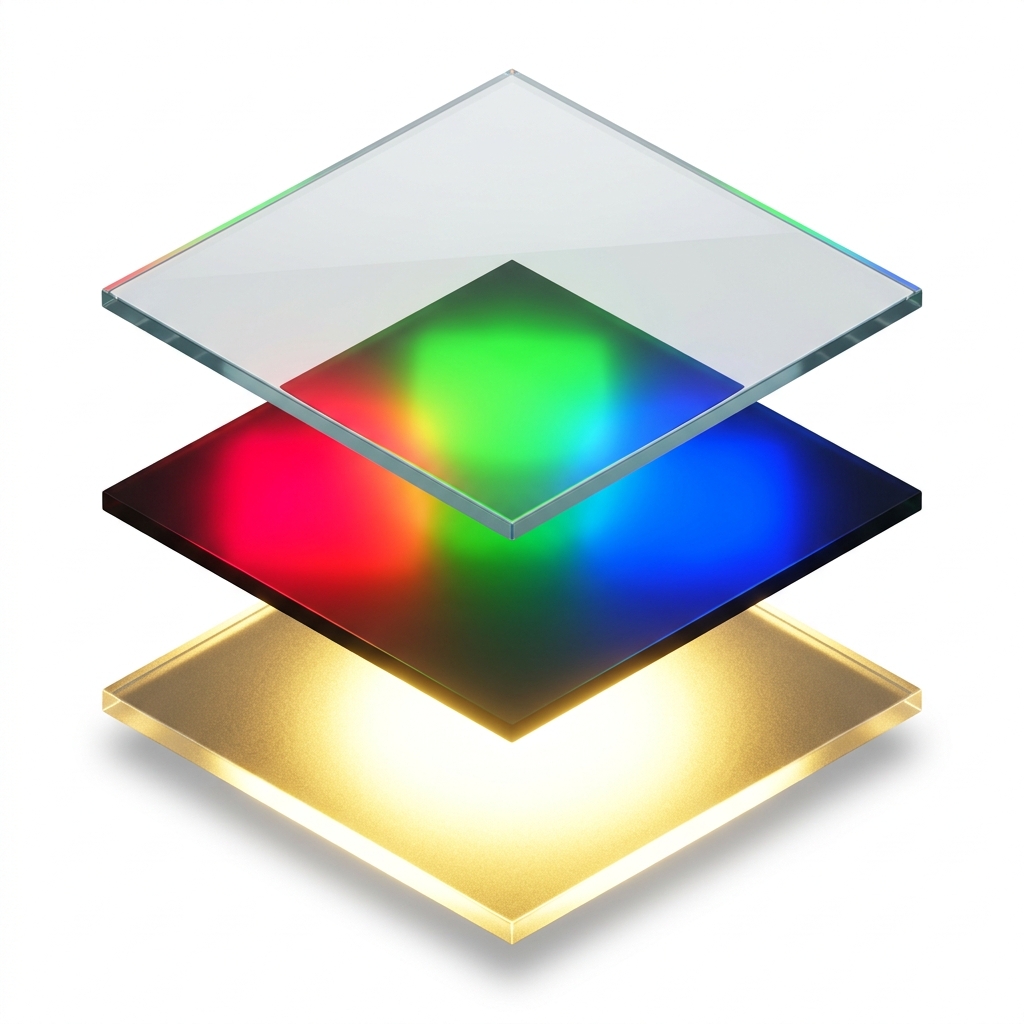
The universal legacy display standard mastered for 100-300 nits brightness and standard 8-bit sRGB color space.
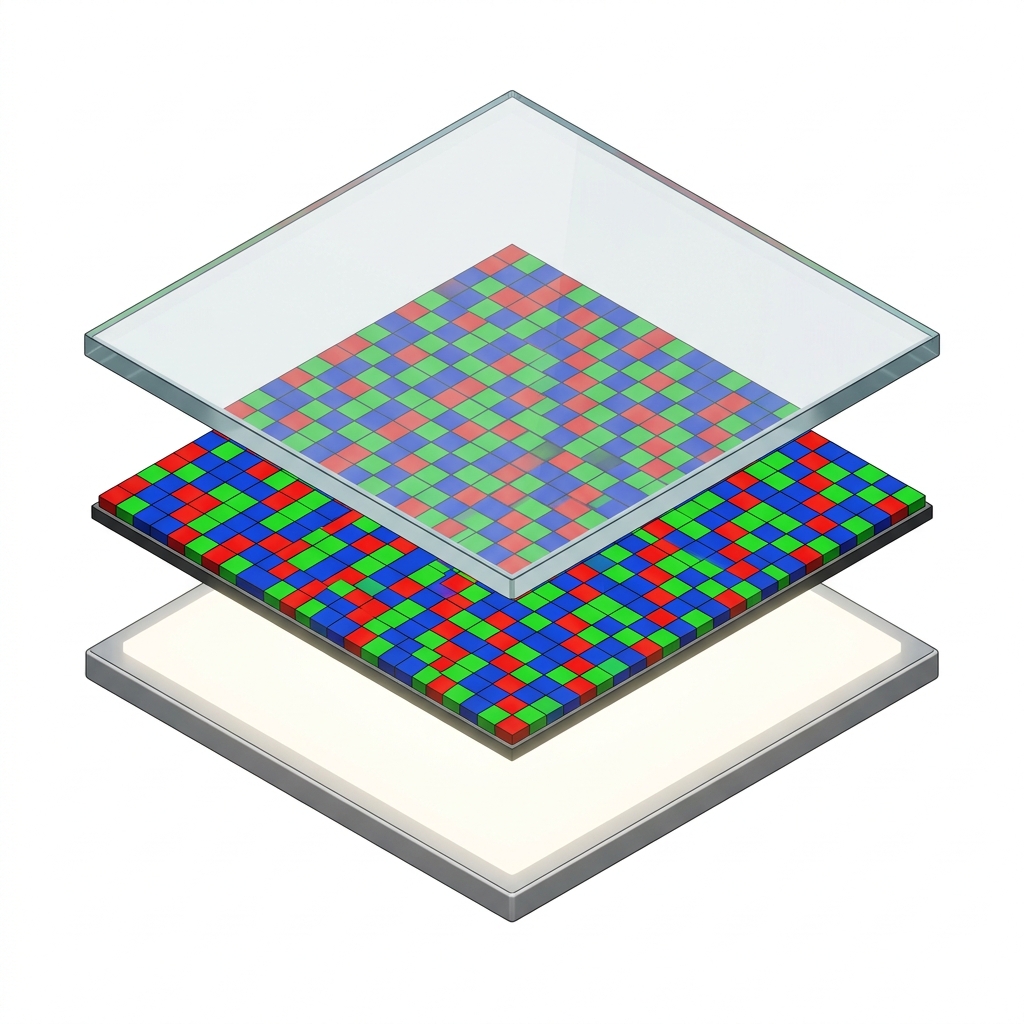
The transition from Standard Dynamic Range (SDR) to High Dynamic Range (HDR) represents the most profound leap in visual fidelity since the introduction of high-definition resolution. SDR was engineered decades ago around the physical limitations of cathode-ray tube (CRT) monitors, mastering video content to a narrow Rec.709/sRGB color space and a modest peak brightness ceiling of 100 to 300 nits (cd/m²). In contrast, true HDR content is mastered to wide color gamuts (DCI-P3 and Rec.2020) with target peak brightness levels ranging from 1,000 up to 4,000 nits. This massive expansion in luminance allows screens to replicate specular highlights—such as direct sunlight glinting off chrome, lightning strikes, or glowing torches in dark caves—with lifelike optical intensity while preserving intricate shadow details in pitch-black corners.
Beyond raw luminance, HDR fundamentally revolutionizes color precision through higher bit depths. Standard SDR signals operate in 8-bit color, rendering 256 distinct shades per RGB channel for a total palette of approximately 16.7 million colors. Under high-contrast gradients (such as sunsets, foggy skies, or underwater scenes), 8-bit displays frequently exhibit distracting stair-step color banding. HDR requires a minimum of 10-bit color depth (or 12-bit in Dolby Vision), delivering 1,024 shades per channel and over 1.07 billion colors. This exponential increase in color granularity allows displays to render smooth, photorealistic color transitions with zero visual banding.
A widespread pitfall in the computer monitor market is the proliferation of entry-level "VESA DisplayHDR 400" certifications. Basic edge-lit IPS and VA panels lack full-array local dimming (FALD) zones; when an HDR highlight triggers, the entire global backlight cranks up, washing out blacks into milky gray and destroying overall contrast. True, impactful HDR requires displays capable of per-pixel illumination (OLED / QD-OLED) or dense Mini-LED backlights featuring at least 576 to 1,152 discrete local dimming zones that can drive localized highlights to 1,000+ nits while maintaining pitch-black surrounding shadows.
While HDR delivers astonishing realism in modern AAA video games and 4K Dolby Vision cinema, SDR remains the undisputed baseline for daily desktop productivity, spreadsheet workflows, and standard web browsing. Running Windows 11 with HDR enabled on non-OLED panels can cause text to appear washed out and trigger unexpected brightness fluctuations (ABL). Content creators and video editors must carefully manage SDR sRGB modes for web-standard graphic design while switching to hardware-calibrated HDR10/PQ workflows when mastering cinematic footage.
HDR is transformative in titles like Cyberpunk 2077 and Horizon Forbidden West, rendering neon reflections, sunlight glare, and night shadows with stunning realism.
4K UHD Blu-rays and Dolby Vision streaming deliver true cinema mastering with expanded dynamic range on OLED and Mini-LED displays.
SDR provides rock-solid full-screen luminance stability, preventing automatic brightness limiter (ABL) shifts when editing white documents and spreadsheets.
SDR locked to 100% sRGB ensures that graphics, UI assets, and website photography look identical on every consumer laptop and smartphone screen.
If you own an OLED or multi-zone Mini-LED display and love immersive gaming, cinematic 4K streaming, or modern console titles, HDR provides an unforgettable visual upgrade. For general office productivity, spreadsheet multitasking, and web design on standard LCD monitors, SDR remains the most reliable, consistent daily display standard.
DisplayHDR 400 is the entry-level certification that only requires a global peak brightness of 400 nits with standard 8-bit color. Because it does not require local dimming, enabling HDR on a DisplayHDR 400 screen often washes out contrast and makes images look worse than SDR. True HDR requires VESA DisplayHDR 1000, Mini-LED with full-array local dimming (FALD), or an OLED panel with per-pixel contrast.
Explore related technical deep-dives and actionable buying guides.
