Portable power stations offer critical energy independence, but selecting the right battery chemistry is crucial for performance and longevity. This guide dissects Lithium-ion and LiFePO4 technologies to help you make an informed decision for your power needs.
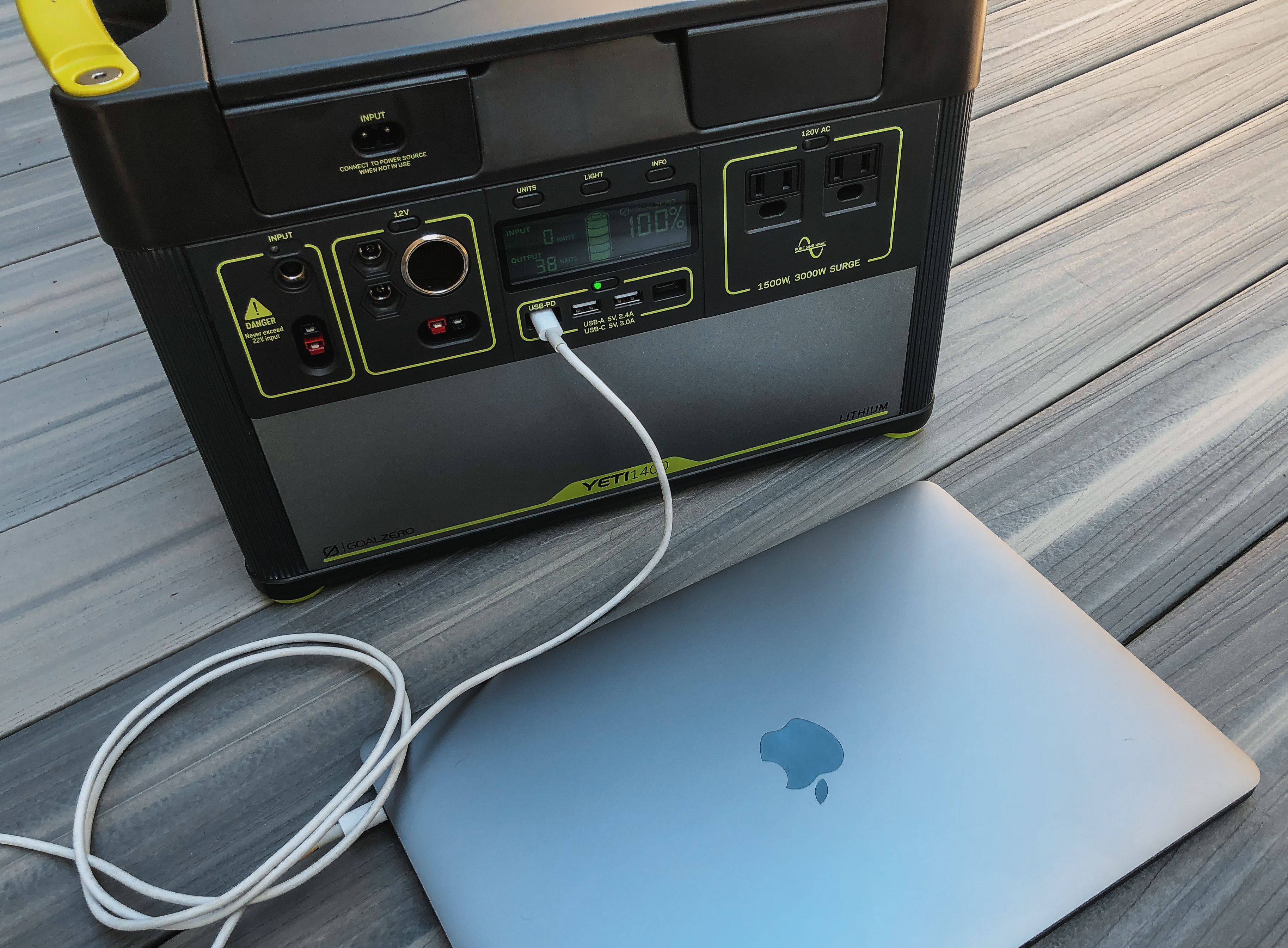
Most users prioritizing long-term value, safety, and durability for frequent, critical use should consider LiFePO4 power stations.
Both Lithium-ion and LiFePO4 are great options, but they work differently and offer distinct advantages.
These batteries utilize nickel-manganese-cobalt (NMC) or nickel-cobalt-aluminum (NCA) cathodes, offering high energy density and compact size, making them lightweight power solutions.
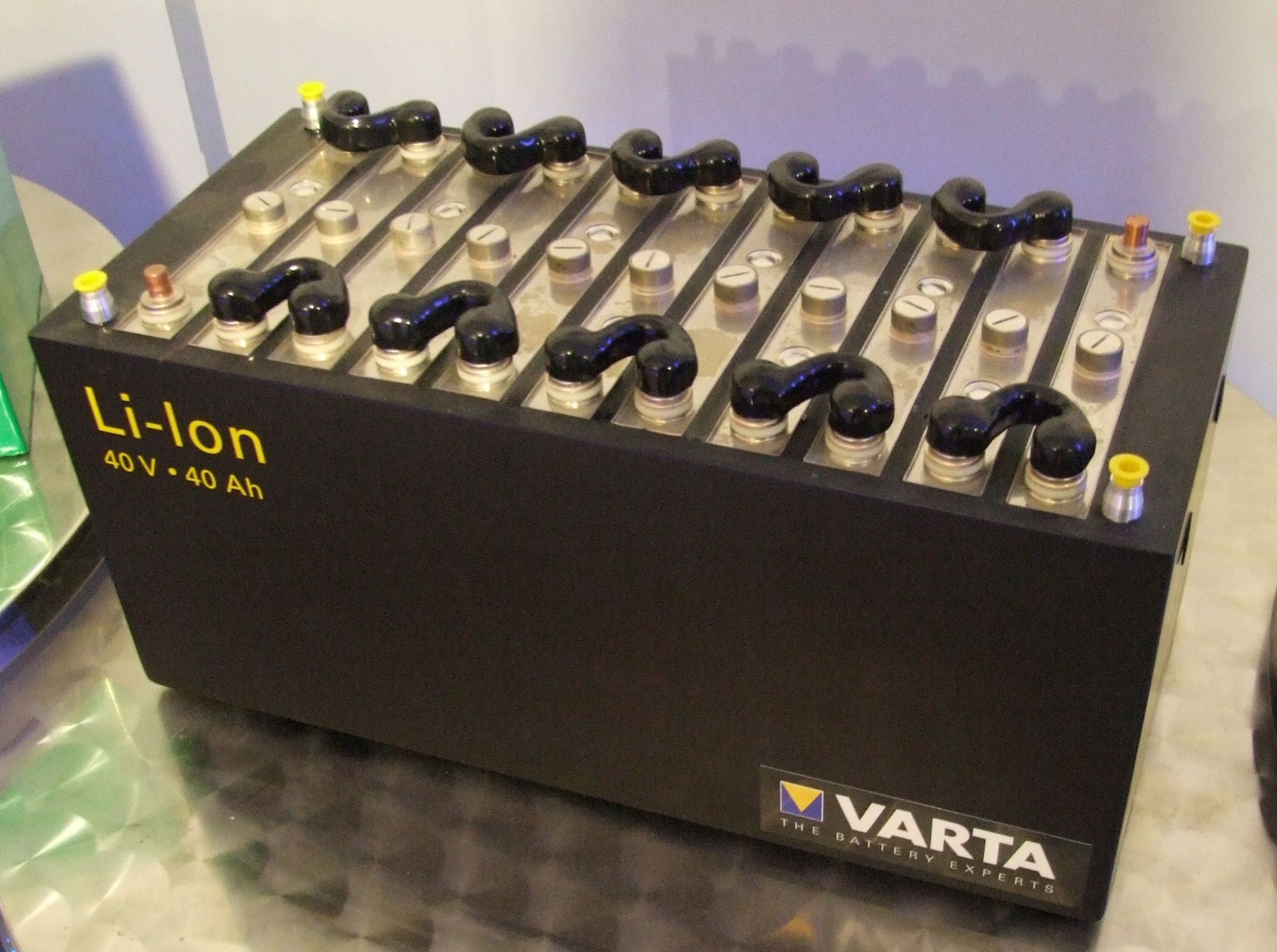
Employing a lithium iron phosphate cathode, LiFePO4 batteries are renowned for their exceptional chemical stability, extended cycle life, and inherent safety features compared to other lithium chemistries.

Portable power stations have become indispensable for outdoor enthusiasts, remote workers, and as emergency backup solutions. At their core lies the battery chemistry, primarily dominated by two types: conventional Lithium-ion (typically NMC/NCA) and Lithium Iron Phosphate (LiFePO4). Understanding the fundamental differences in their architecture, performance characteristics, and inherent tradeoffs is paramount for making an optimal investment.
Lithium-ion batteries, often utilizing Nickel Manganese Cobalt (NMC) or Nickel Cobalt Aluminum (NCA) cathodes, are celebrated for their high energy density. This architectural advantage translates directly into a lighter and more compact unit for a given power capacity, making them highly portable. They generally offer robust power output and can often achieve faster charging speeds compared to their LiFePO4 counterparts, appealing to users needing quick turnaround times.
However, these benefits come with specific tradeoffs. NMC/NCA chemistries inherently possess a lower cycle life, typically ranging from 500-800 cycles before significant capacity degradation. They are also more susceptible to thermal runaway, a critical safety concern, particularly under extreme conditions or if damaged. Performance can degrade more noticeably in wider temperature extremes, impacting both charging efficiency and discharge capacity.
LiFePO4 batteries employ a lithium iron phosphate cathode, a chemistry distinctively known for its superior thermal and chemical stability. This fundamental architectural difference underpins their exceptional safety profile, virtually eliminating the risk of thermal runaway. While LiFePO4 batteries have a lower energy density, meaning they are inherently heavier and bulkier for the same power capacity, their longevity is unparalleled.
LiFePO4 power stations boast significantly higher cycle lives, often exceeding 3,500 full charge-discharge cycles with minimal capacity loss, and some premium models reaching 6,000 cycles. This translates to a lifespan many times longer than conventional Lithium-ion. Furthermore, LiFePO4 batteries exhibit greater tolerance to wider temperature fluctuations and maintain stable performance in challenging environments. The primary tradeoffs include a higher initial purchase cost and a typically slower full charging rate due to their internal resistance characteristics, although modern charging technologies are mitigating this to some extent.
When directly comparing the two, several critical distinctions emerge. Safety and Durability are unequivocally superior in LiFePO4 due to its stable chemistry, making it the preferred choice for applications where long-term reliability and risk mitigation are paramount. Regarding Cycle Life and Longevity, LiFePO4 is the clear winner, offering a dramatically extended operational lifespan, which often translates to a lower total cost of ownership over time despite a higher initial investment.
Energy Density and Weight favor Lithium-ion, making it the more suitable option for users prioritizing maximum portability and minimal bulk. Conversely, Operating Temperature Tolerance leans towards LiFePO4, as it performs more consistently and degrades less in both hot and cold conditions. While Lithium-ion often presents a lower initial Cost, the extended lifespan of LiFePO4 often delivers better long-term value, making it a more economical choice over the product's full life cycle for frequent users.
Lithium-ion power stations are ideal for users who prioritize minimal weight and compact size for backpacking, light camping, or day trips where every ounce counts and occasional use is expected.
LiFePO4 is the superior choice for applications requiring consistent, long-duration power and frequent cycling, such as off-grid living, RVs, vans, or critical home emergency backup systems that need to last for years.
LiFePO4's robust performance in varying temperatures and its inherent safety make it perfect for demanding off-grid scenarios, prolonged outdoor adventures, or job sites where durability and peace of mind are non-negotiable.
While Lithium-ion offers a lower entry price, those with a long-term perspective and frequent usage will find LiFePO4 more cost-effective due to its dramatically extended lifespan, reducing the need for replacement.
LiFePO4 offers superior safety, longevity, and long-term value, making it ideal for frequent, demanding use and reliability. Lithium-ion provides a lighter, more compact design with a lower initial cost, suitable for occasional, lighter-duty applications where portability is paramount. The choice ultimately depends on balancing initial investment against expected lifespan and usage scenarios.
LiFePO4 batteries are inherently safer due to their superior chemical stability, making them highly resistant to thermal runaway, a critical safety concern in some Lithium-ion chemistries.
Explore related technical deep-dives and actionable buying guides.
