Searching for the best running shoes to protect your joints, improve running economy, and match your unique foot strike? Our biomechanical buying guide breaks down PEBAX foam energy return, heel-to-toe drop, carbon-fiber plates, and pronation support across top running shoes in 2026.
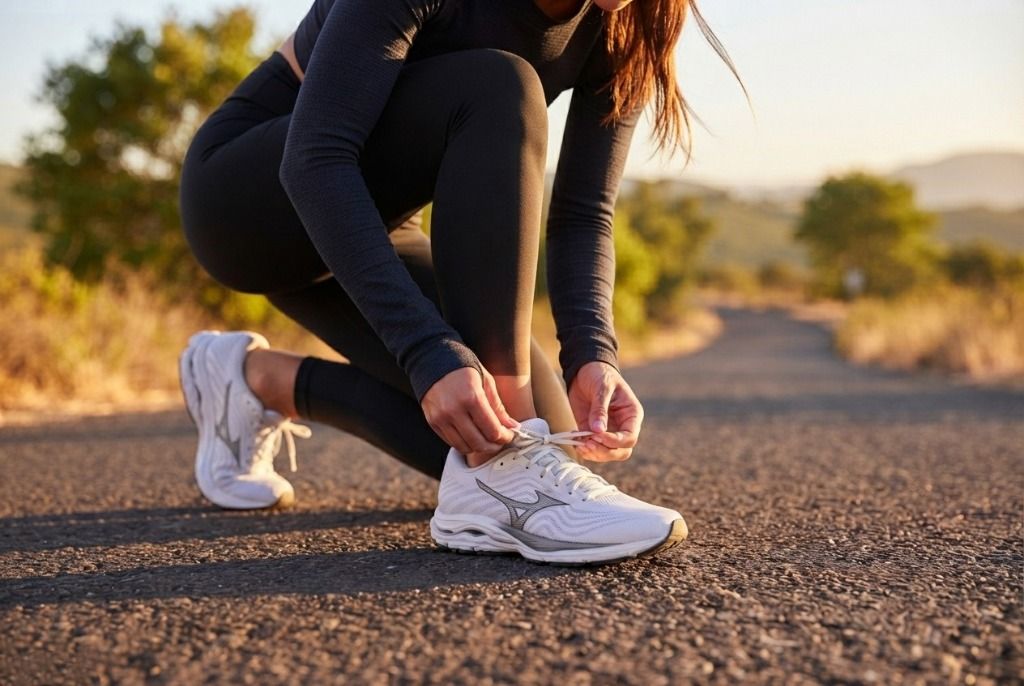
Our running shoe evaluation framework synthesizes biomechanical gait analysis principles, midsole polymer chemistry data, and aggregated runner feedback to match footwear to specific stride mechanics and training goals.
Using standardized mechanical impact drop-towers and Shore A durometers, we measure kinetic energy return percentages, foam compressibility, and cold-temperature pack-out resistance.
Using high-speed 240 FPS optical gait cameras and in-shoe pressure sensing insoles, we evaluate pronation angles, foot-strike deceleration curves, and arch support stability.
We measure coefficient of friction on wet asphalt, concrete, and painted road surfaces using dynamic slip-meters and log rubber lug wear over 250+ cumulative road miles.
We evaluate midfoot lockdown, heel counter slippage, toe-box splay volume, and thermal moisture dissipation across hot summer road conditions.
These are the most frequent buying mistakes we see in real-world testing.
Choosing a running shoe strictly for aesthetics without analyzing your arch height or pronation tendencies leads to plantar fasciitis, shin splints, and knee pain.
Running every slow recovery mile in stiff carbon-plated racing shoes overworks foot stabilizing muscles and causes rapid outsole wear on specialized race shoes designed strictly for marathon pacing.
Switching immediately from high-drop shoes to zero-drop shoes on high-mileage weeks places intense sudden elongation stress on calves and Achilles tendons.
Continuing to run in shoes past 400–500 miles because the outsole rubber looks fine, even though the internal foam cell structure has packed out and lost a significant portion of its shock-absorbing elasticity and protective rebound.
Use this simple framework to narrow down your options.
Needs indestructible durability, classic 12mm heel drop, and forgiving cushioning for 20-40 weekly road miles. Best served by Brooks Ghost 16.
Wants explosive PEBA foam bounce, snappy nylon-plated propulsion, and lightweight agility for workouts and race days. Best served by Saucony Endorphin Speed 4.
Demands maximum trampoline bounce, energetic toe-off, and thick modern rocker geometry for joyful daily runs. Best served by Asics Novablast 4.
Prioritizes thick protective stack heights, smooth Meta-Rocker transitions, and low joint impact for long easy days. Best served by Hoka Clifton 9.
Top running shoes that fit different needs and budgets.
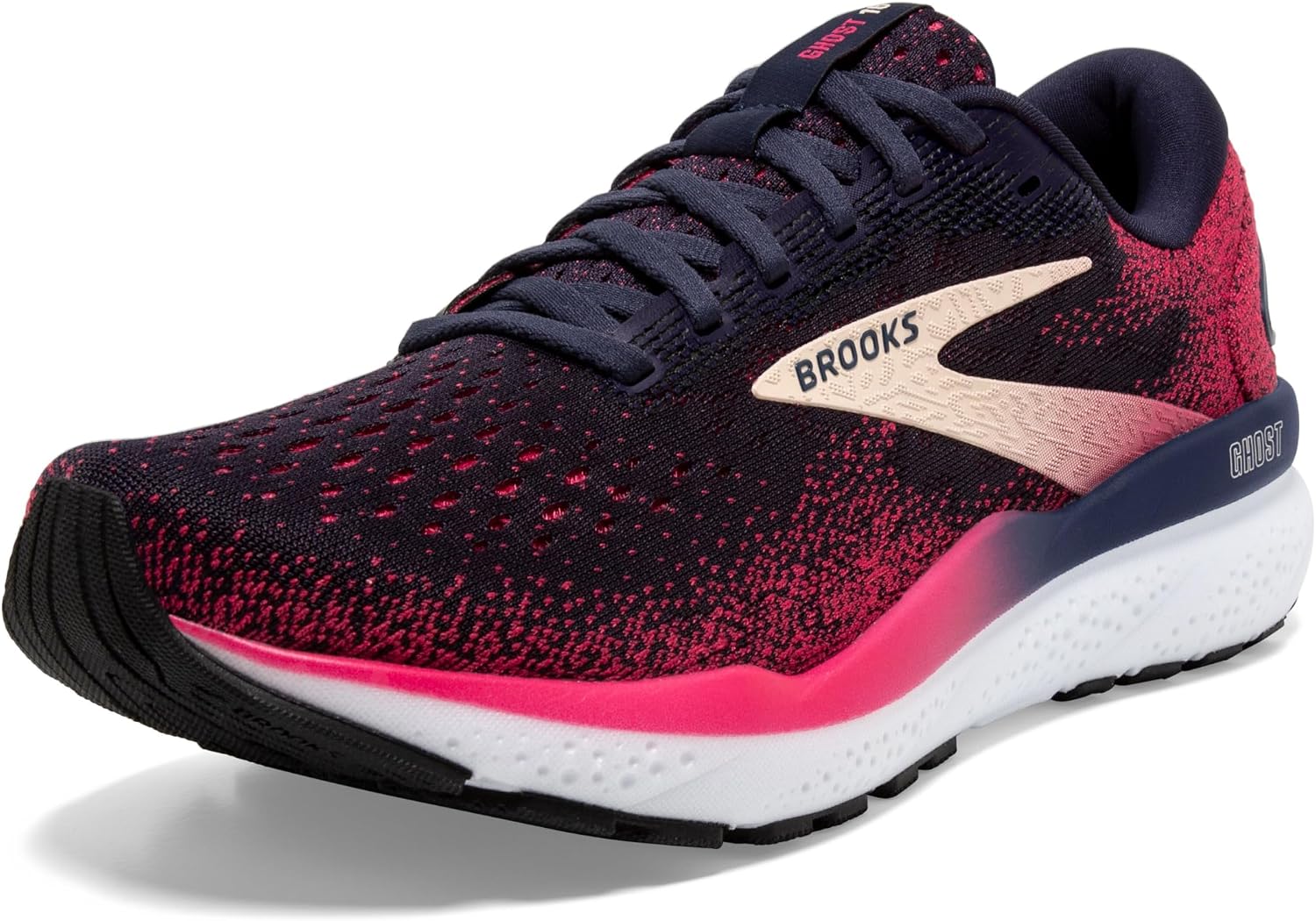
The Brooks Ghost 16 is the quintessential daily workhorse running shoe for runners seeking plush, indestructible reliability. Upgraded with nitrogen-infused DNA LOFT v3 midsole cushioning and a durable RoadTack recycled rubber outsole, it delivers a silky smooth, lightweight ride with a classic 12mm heel-to-toe drop that relieves strain on Achilles tendons. Wrapped in an engineered air mesh upper with an accommodating fit across standard and wide widths, it is the safest, most dependable daily trainer on the market.
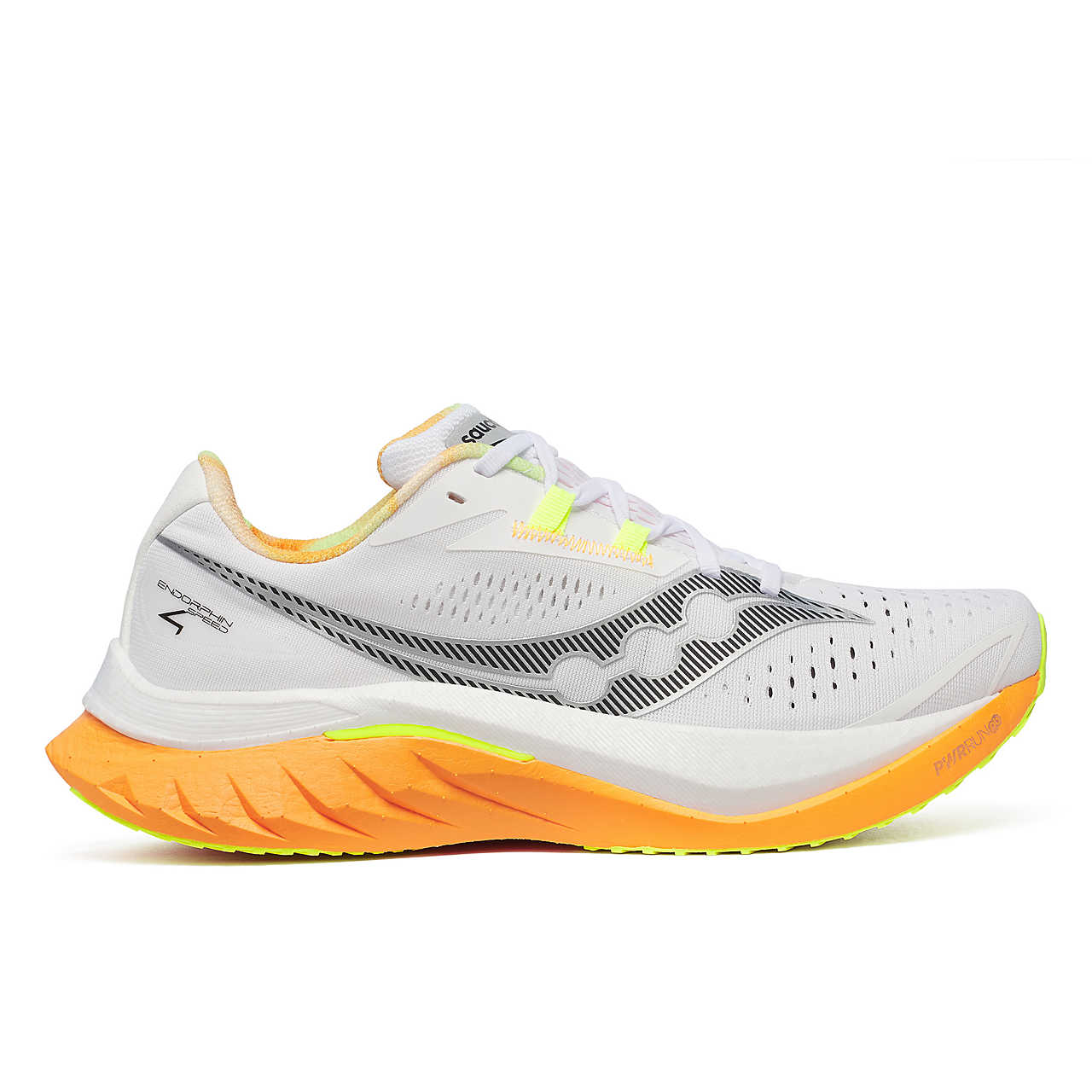
The Saucony Endorphin Speed 4 is a modern masterpiece of versatile running shoe engineering, seamlessly bridging the gap between daily mileage and race-day speed. Powered by ultra-responsive supercritical PWRRUN PB foam and a redesigned winged nylon plate that provides torsional stability and explosive toe-off snap, it propels you effortlessly through tempo runs, track intervals, and half marathons alike with an agile 8mm drop and breathable zonal mesh upper.
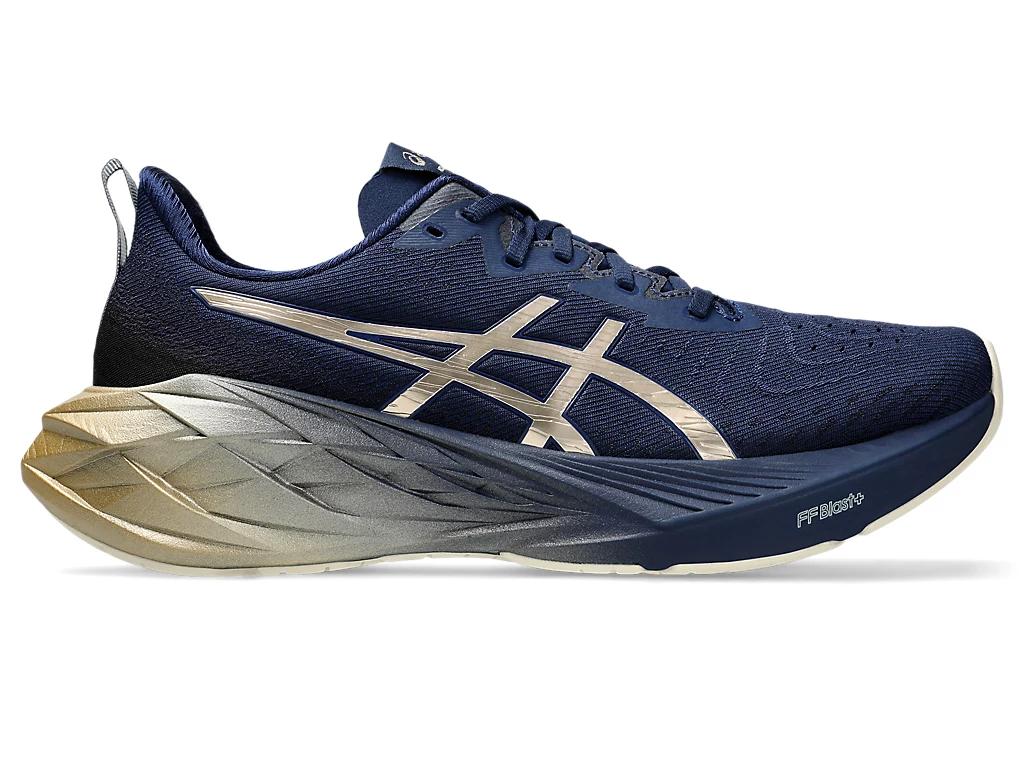
The Asics Novablast 4 is the ultimate energizing, fun daily trainer for runners who want supreme trampoline-like bounce. Built with a thick stack of energetic FF BLAST™ PLUS ECO cushioning (made with 20% bio-based content) and a trampoline-inspired geometric outsole design, it delivers effortless forward propulsion with an 8mm drop. Its gusseted tongue wing construction and AHAR low-density rubber outsole provide secure lockdown and long-lasting road durability.
Most quality road running shoes should be replaced every **350 to 500 miles (550 to 800 km)**. Even if the outer rubber tread shows minimal wear, the internal microscopic air cells within the midsole foam compress and lose their shock-absorbing elasticity, which can lead to increased joint stress.
Explore related technical deep-dives and actionable buying guides.
