Understanding running shoe midsole foams? We compare supercritical nitrogen-infused PEBA and traditional EVA across energy return percentages, weight, and temperature stability.
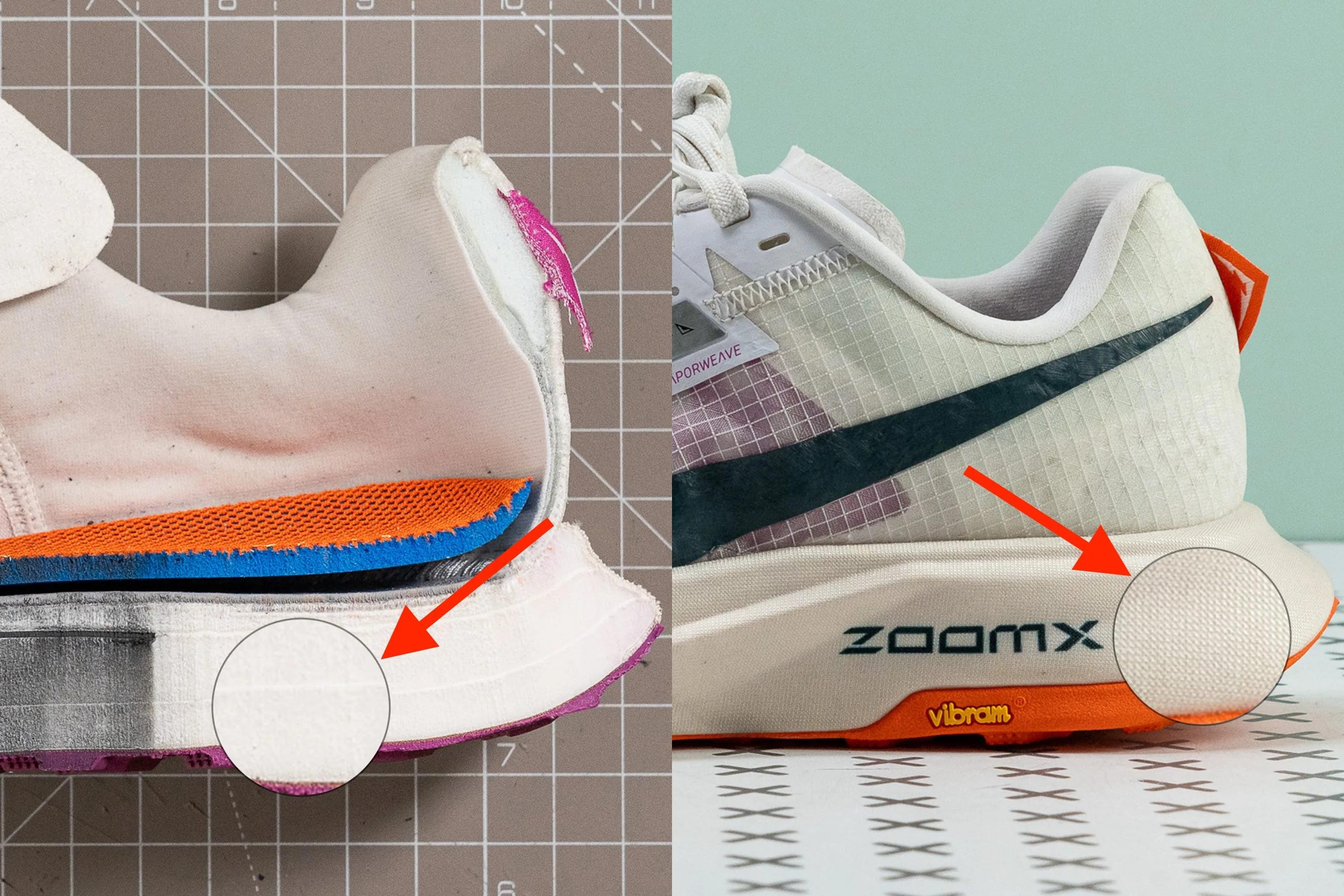
Choose supercritical PEBA or nitrogen-infused foams for race day, speed workouts, and plush high-energy daily miles. Choose standard or blended EVA for affordable, highly stable daily training and walking.
Both Supercritical PEBA Foam and Compression-Molded EVA are great options, but they work differently and offer distinct advantages.
Nitrogen gas-expanded thermoplastic elastomer delivering elite 85% energy return and featherlight weight.
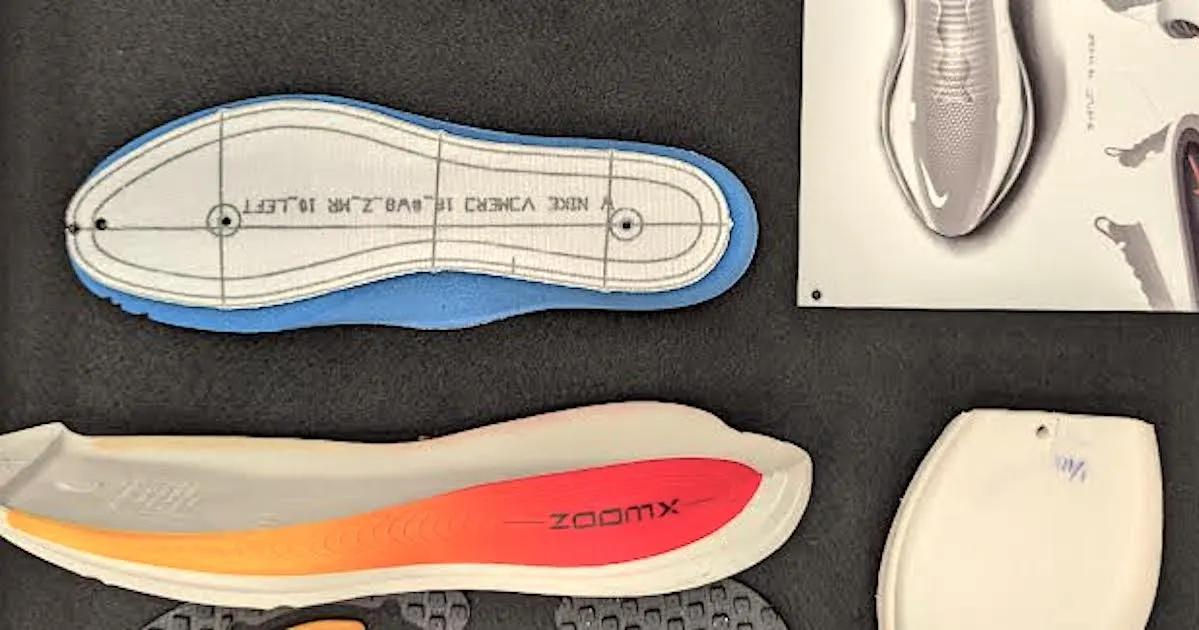
Reliable, cost-effective synthetic foam offering dense shock absorption and natural stability.
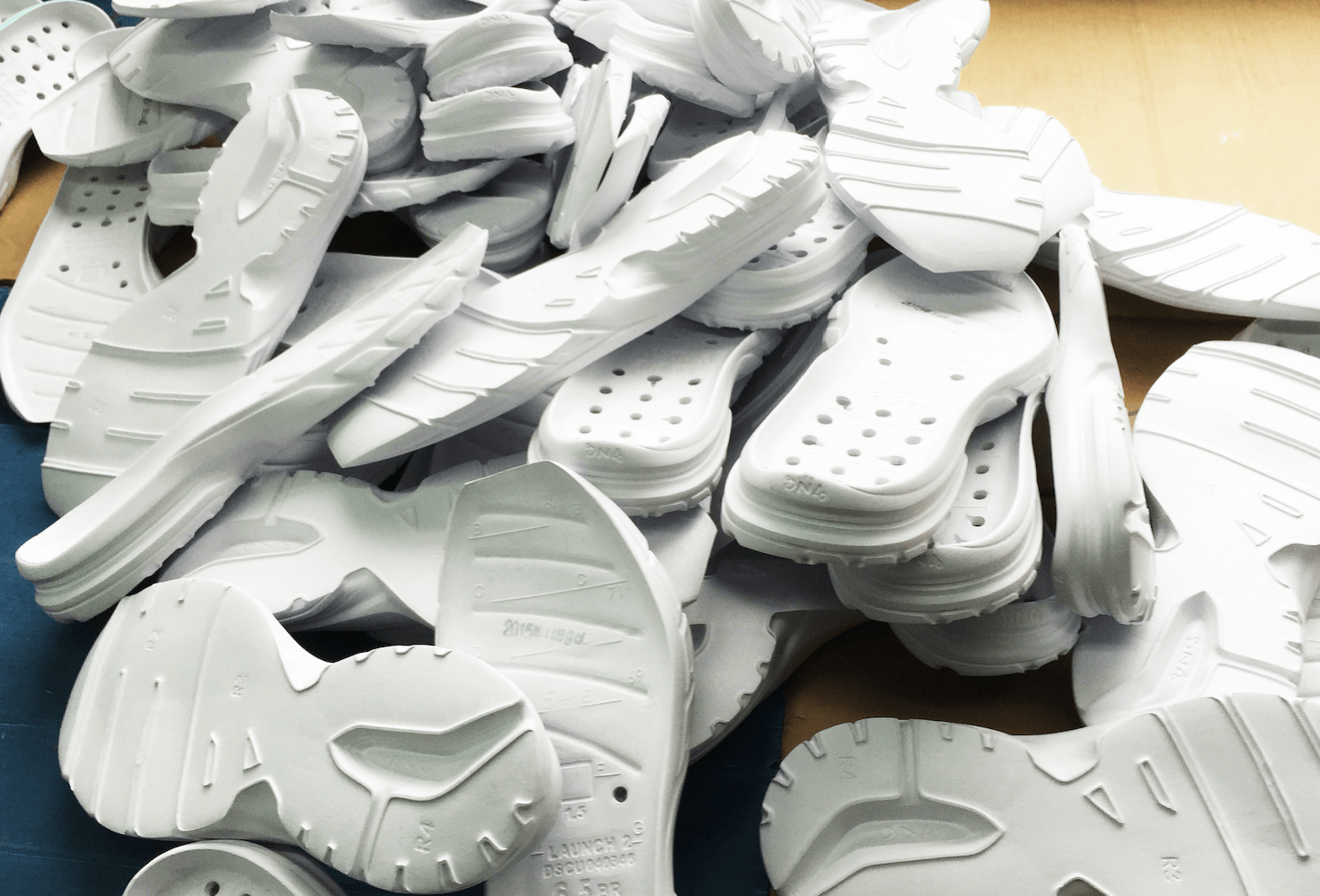
The modern running shoe revolution is fundamentally a revolution in midsole polymer chemistry. For decades, running shoes were built from EVA (Ethylene-Vinyl Acetate), a standard petroleum-based synthetic foam formed through compression or injection molding. Today, elite racing super-shoes and high-performance daily trainers utilize Supercritical PEBA (Polyether Block Amide)—a specialized thermoplastic elastomer infused with supercritical nitrogen gas under extreme pressure and temperature.
When your foot strikes the pavement, the midsole foam compresses, absorbing mechanical shock. The defining metric of modern foam is energy return—the percentage of absorbed kinetic energy the foam elasticity returns to your foot during toe-off. Standard EVA returns approximately 50% to 60% of impact energy, acting primarily as a dampener (absorbing shock but feeling "flat" or dead). Supercritical PEBA returns an astonishing 80% to 87% of energy, creating an explosive trampoline spring that measurably improves running economy and delays leg fatigue.
Beyond bounce, PEBA displays remarkable thermal stability. Standard EVA foams stiffen drastically in winter temperatures below freezing (becoming up to 50% firmer and losing cushion). Supercritical PEBA retains consistent softness and flexibility from -20°C to 40°C. Furthermore, while standard EVA foams suffer from cellular "pack-out" (permanent compression wrinkles after 200–300 miles), supercritical PEBA expands back to its original volume for 400+ miles of high-rebound cushioning.
PEBA super-foams maximize running economy, saving leg muscles over 26.2 miles.
High-rebound daily trainers with nitrogen-infused foam make daily runs feel effortless and fun.
Dense EVA foams provide the firm, structured guidance needed to prevent inward ankle roll.
EVA shoes offer dependable, durable shock absorption for walking and casual running under $120.
Supercritical PEBA foam is the gold standard for performance running, delivering explosive rebound, featherlight weight, and fatigue-reducing cushion that traditional EVA cannot match. However, for runners seeking stable, predictable ground feel at an affordable price, EVA remains a dependable daily workhorse.
Both are expanded thermoplastic bead foams, but PEBA is significantly lighter and offers higher energy return (85% vs 75%). TPU is exceptionally durable and virtually indestructible, but noticeably heavier on long runs.
Explore related technical deep-dives and actionable buying guides.
